
The Fourth of July: Celebrating and Promoting Senior Independence

Independence Day — For All

July 4th. The birth of American indepence. Picnics, patriotic t-shirts, and brilliant firework displays.

It’s the quintessential mark of our very human desire to be free. The desire to ‘do it myself,’ like every two-year-old asserts.

Yet, what does Independence Day mean for those who are slowly becoming more dependent on those around them? What does the word ‘independence’ mean to aging seniors and their caregivers?

This July 4th, we’re talking about senior independence — what it means, why it’s so important and how to promote it. Plus, some inspiration for seniors and caregivers navigating the delicate balance of dependence and independence.

Why Independence is Hard to Define

Did you build your own house? Did you sew your clothes, grow and harvest your food — all with tools you built yourself? Of course not! Yet you still consider yourself an independent person, correct? That’s because independence is not about self-reliance, but about how you perceive your own ability to care for yourself independently.

Ask yourself; what does independence mean to me? Is it the ability to make your own schedule? Get out of the house? Take on new responsibilities without much pressure? Maybe it’s the ability to make your choices without being told what to do.

“When I was younger, I thought independence meant working hard and saving up for a house. As I got older, I realized part of being an adult was deciding what role I wanted to play in my life.”

Everyone has their own criteria for independence.

What’s the big deal?

Your golden senior years are a joyous time. A time to explore your past accomplishments, your goals for the future, and what independence means to you. Your body and mind are changing. Your capacity to work is changing. You may even need help with basic functioning like meal preparation, bathing and dressing.

That’s why independence is a buzzword for seniors. It means everything to hold on to the freedom and independence you still have as you age.
No matter your age, freedom and independence are crucial to our self-esteem.

The Good News

Your golden years are a prime time to do things you never would have dreamt of before. Asking for help with bathing can be difficult, but it doesn’t mean you’ve lost your independence.

When you retire, for the first time in your life you have the freedom to decide what you’ll do with your time. It’s a great time to try new things! Senior independence can mean doing things for yourself that you wouldn’t have dreamed of doing when you were younger—working on a book, for example, or starting your own small business, or buying a pet. It means planning your days so that you get the most out of each hour, and not wasting time on things that don’t contribute to your happiness.

“When I turned 71, I took an art class for the first time in my life. And to my surprise, I discovered a real talent! Now I use my time to paint portraits and beautiful scenery for my kids’ homes. Seeing my handiwork hanging on their walls brings me such joy. What would have been if I never took that art class?”

4 Ways to Promote Senior Independence

Whether you’re a caregiver or a senior, you can promote senior independence the following ways:

1. Improve your advocacy skills.

When making decisions on behalf of another, or making decisions a team instead of on your own, it’s important to
● Stay positive
● Use a pleasant tone of voice
● Communicate as clearly as possible
● Be okay with comprising for the sake of another

Keep these things in mind when advocating for yourself or your loved one. Not sure if you’re being an effective advocate? Ask for
feedback from those around you!

2. Encourage a healthy lifestyle.

Staying healthy is crucial to maintaining your independence, especially as we age. It means staying functional and active for longer and needing less help with physical tasks. Take a look at your diet and see where you can add more whole grains, vegetables, and cut down on processed foods and foods high in fat and sodium. Commit to an exercise routine that suits your level and stick to it! You’re sure to see both physical and emotional improvement from living a healthier lifestyle.

3. Talk openly about aging.

Aging. We’re all headed towards it, every second of our lives. Today’s media likes to convince us that staying young forever is a commendable (and attainable!) goal. Instead of falling for the promise of a fountain of youth, embrace aging with grace and be proud of all your years of experience, friendships you’ve made, and accomplishments you’ve achieved.

4. Make things easy to access.

Speaking up and asking for help can be really uncomfortable. Especially when you have to ask for so many things, so often.

An easy way to decrease the number of times a senior needs to ask their caregiver for help — make commonly used items easily accessible. That limits the need for constant requests for help reaching or lifting for things. Clothing, food, appliances, toiletries, etc, should all be made available to the senior.

“My mom asked me to move the outfits she wears most often to a lower shelf. Now she can dress herself every morning without calling for her caregiver. It’s the simple changes like these that allow her to feel independent.”

Growing Every Day

When you’re forming or maintaining a caregiver-senior relationship, every day is a new opportunity for personal growth. Here are some inspirational quotes to help you on your journey.

“To find yourself, think for yourself.”

― Socrates

No matter how dependent we become on others, whether due to life circumstances, illness, or age, we can still think for ourselves. And that is true independence.

“There are only four kinds of people in the world. Those who have been caregivers. Those who are currently caregivers. Those who will be caregivers, and those who will need a caregiver.”

― Rosalyn Carter

Caregiving is universal. At some point in your life, you have given care or received care. Embrace it.

“Freedom is nothing but a chance to be better.”

― Albert Camus

So…you’re independent. The pivotal question is: what are you going to do with your independence?

Happy Fourth of July!

Whether you’re celebrating as a caregiver or senior, Independence Day is a time for reflection on our relationships and goals. Make sure to see some fireworks while you’re pondering!

If you’re looking for a caregiver or professional to help your elderly loved one age with grace and independence, contact Community Home Health Care at 845-425-6555 or contact us through our site.


Make Home Safer: Easy Ways to Prevent Common Senior Accidents

Should you be concerned about at-home senior injuries?

According to the CDC, 3 million older people are treated in emergency departments for fall injuries every year. Less than half of seniors report their falls to their doctors.

The effects of a bad fall or home accident can be devastating. Twenty-five percent of senior falls cause injury to more than one part of the body (compared to an average sixteen percent among other age groups). Accidents can cause broken bones or head injuries. One in five falls among women aged 55 and over requires hospital treatment.

Although most falls do not result in a serious injury, being unable to get back up can cause pressure sores and hypothermia while they’re stuck in one place waiting for help.

Besides, the senior can become afraid of falling again. This fear may cause your loved one to cut down on their everyday activities, causing themselves to become weaker and increasing their chances of getting injured.

The good news is that you can easily prevent the most common senior home accidents by making small changes to your elderly loved one’s home environment.

“After my mom fell and broke her wrist, I took the time to declutter her home. Now she feels much safer, and I’m calmer knowing there is less of a chance she’ll fall again.”

Who is most at risk for home accidents?

Most at-home senior accidents are caused by a combination of risk factors. The more risk factors a senior has, the greater their chances of getting injured at home. The main risk factors for getting injured at home include:

● Lower body weakness
● Difficulties with walking and balance
● Use of medicines, such as tranquilizers, sedatives, or antidepressants (some over-the-counter medicines can affect balance and how steady you are on your feet)
● Vision problems
● Foot pain
● Poor footwear
● Home hazards or dangers
● Vitamin D deficiency
● Calcium deficiency
● A history of previous falls

The 9 Most Common (and Avoidable) Senior Home Accidents

The following nine injury types are most common for seniors living at home:

1. Falls
2. Burns
3. Choking
4. Medication overdose or improper medication
5. Bedsores
6. Infections
7. Lacerations
8. Sprains
9. Joint dislocation

Make Your Senior’s Home Environment Safer in 5 Minutes

You can make a home safer for older adults in as little as five minutes. Here are some ways you can make your elderly loved one’s home safer and help them navigate their homes with confidence:

Kitchen:

● Install induction stoves (rather than gas or electric)
● Purchase a one-cup boiler
● Install a stove with an automatic shut off
● Purchase a cooktop fire-suppressor and quickly install it using magnets
● Purchase a jar opener and safety can opener
● Place the things they use most often on the lower shelves (about waist high)
● Label containers and storage areas clearly

Sitting Room/Lounge:

● Remove tripping hazards such as rugs, clutter, or electric cables
● Check if the senior and their walker/wheelchair can easily navigate the room (if not, rearrange the furniture to allow easy navigation)
● Purchase a chair raiser
● Replace carpet with cushioned non-slip flooring

Bedroom:

● Use risers to increase the height of the bed
● Ensure drawer handles offer easy access
● Place an easy-to-reach lamp close to the bed
● Light the path from their bed to the bathroom (ideally with two-way switches that glow in the dark)

“We placed lightbulbs along the path from my dad’s bed to the bathroom. He says it’s the best gift we’ve ever given him!”

Bathroom:

● Add grab bars inside and outside your tub or shower and next to the toilet (if there are grab bars already, make sure they are tight and in good condition)
● Install a higher toilet seat
● Put down non-slip mats with anti-skid backing (or replace the bathroom tiles with a non-slip surface)
● Install walk-in showers and baths

Stairs:

● Remove items lying on the stairs
● Ensure there are no upturned carpet edges
● Put railings on both sides of stairs (or tighten existing railings)
● Repair or remove damaged or worn carpet
● Repair uneven steps or broken steps
● Look at stairlift options

Floors:

● Get rid of things they could trip over (upturned carpet edges, clutter, electric cables, etc)
● Avoid repetitive carpet patterns (they may produce optical illusions)

In General:

● Make thresholds between rooms easy to walk over by installing anti-slip ramps
● Light their home with more or brighter light bulbs (ideally with lighting that simulates daylight because it’s most effective and can improve moods)
● Install smoke and carbon monoxide detectors throughout the home

“I’m amazed at the difference a few small changes could make! We put my grandmother’s microwave on the counter, and bought her a walker with a tray so she can bring her food to the table. It’s much safer and it gives her more independence.”

Simple Changes A Senior Can Make to Avoid Accidents

In order to prevent injuries, your elderly loved one should:

● Wear well-fitting footwear
● Get out of bed and chairs slowly so as not to become dizzy
● Ask their doctor or pharmacist to review their medicines to see if any might make them dizzy or sleepy
● Ask their doctor about taking vitamin D supplements
● Exercise to make their lower body stronger and improve balance
● Avoid leaving items lying around on the floor or stairs
● Have a ‘grabber’ that helps pick things up off the floor without having to bend down
● Clean up spills immediately to prevent slipping on them
● Keep two walking sticks, one at the top of the stairs and another at the bottom
● Use the microwave to cook or heat food more rather than the oven or stove (if the microwave is easily accessible)
● Learn what to do if they have a fall or other accident
● Do not dry clothes on heaters
● Clean lint from the clothes dryer once a month (or ask a friend or family member to do it for them)
● Turn the cold water on first when filling the bathtub
● Use the rear burners when cooking on the stove top, and turn the panhandles away from the front of the cooker

“Last year my dad fell while trying to pick up a sweater from the floor. We bought him a new ‘grabber’ and he uses it all the time now! He can pick things up easily without fear of falling.”

“My great aunt insisted on frying her own food. It used to be okay, but her arthritis was getting worse and making it harder for her to do things with her hands. When she got a small burn we spoke to her gently about the risks. Now she uses an air-fryer and loves the health benefits, too!”

Make Your Senior’s Home Safer Today

You can implement the above tips today to make your senior loved one’s home as safe as possible.

If you’re looking for a caregiver or professional to help your elderly loved one navigate their home as safely as possible, contact Community Home Health Care at 845-425-6555 or contact us through our site.

7 Practical Stress Relief Techniques for Caregivers (And Their Seniors)

Stress is Normal, But…

Our bodies were made to experience and react to stress. Feeling occasional stress is normal and a sign that your reflexes are functioning properly. Cortisol, adrenaline, and norepinephrine, the stress hormones, get us to act quickly when faced with danger and often save our lives. However, these hormones are helpful only for immediate, short-term challenges. Prolonged stress can have negative effects on our health.

Chronic stress (when the body experiences stressors with such frequency or intensity that the nervous system doesn’t get a chance to relax) can cause
● Headaches
● Insomnia
● Depression
● Irritability
● High blood pressure and blood sugar
● Decreased immune function
● Increased risk of heart attacks and strokes

(For information on the causes of chronic stress and how to recognize the signs in your loved one, read our article, Helping Seniors Manage Stress: A Guide for Caregivers.)

Here’s a list of simple, practical things that can relieve stress for yourself or for your loved one.

#1: Exercise

Putting physical “stress” on your body can actually reduce mental stress. Exercising regularly lowers your body’s stress hormone levels and encourages the release of endorphins. (Endorphins are the hormones that improve your mood, naturally.)

Exercise also improves the quality of your sleep. This can be helpful to those whose stress is affecting their sleep.

Find an exercise style that suits your physical capabilities and that you enjoy. There are so many options to choose from, such as walking, jogging, dancing, biking, swimming, yoga, pilates, and more!

Yoga is known to be particularly soothing and relaxing, as it has a meditative effect. According to studies, yoga can enhance your mood and may even be as effective as antidepressant drugs.

You can work out on your own when you have time off, join a class, or have senior-and-caregiver exercise time! Put on your workout clothes and get going!

#2: Music

Who doesn’t love the sound of music?

Music can help relieve stress, especially classical, slow compositions. It can slow your heart rate and pulse, lower your blood pressure, and decrease your levels of stress hormones. Music also acts as a distraction, making it easier for you to relax, sleep, or meditate.

Whether you’re a senior or a caregiver, you can find music you love and listen to it whenever you can. Listen to music before you go to bed, when you’re washing dishes, walking the dog, or driving. Find ways to incorporate the music you enjoy into your everyday life.

#3: Art

It’s time to get in touch with your inner artist! Adult coloring books with intricate geometric patterns have recently become a popular stress-relief tool, and for good reason.

Research shows that painting, coloring, beading, and similar activities can have a meditative effect on your mental state. Getting creative and becoming deeply engrossed in the activity at hand can help you relax and relieve your stress. Seniors and their caregivers can benefit from getting creative together or during the caregiver’s off time.

At the end, you’ll have something beautiful to show for it! Now, where should we hang the newest painting…

#4: Connection

Feeling overwhelmed? Get a hug from a loved one.

Social support and meaningful connections can help relieve your stress, whether you’re a senior or a caregiver. It can give you a sense of belonging and value.

In addition, the positive physical contact of family and friends can help release oxytocin and lower cortisol. This can help lower your blood pressure and your heart rate.

You can also talk with family and friends and the phone or over video calls. If no one is available for a cuddle or a call, even interacting with a pet can have stress-relieving effects.

#5: Deep Breathing

Take a deep breath in through your nose, Now let it out, slowly, from your mouth.

Simply focusing on your breathing or changing your breathing pattern can make a huge difference to your overall stress levels.

You can take just three to five minutes during a stressful meeting or in a crowded space to focus on and slow your breathing to help you relax.

There are many breathing techniques and patterns. Here’s a simple one: Breathe in through your nose and watch your belly expand with air. Count slowly to four as you inhale. Hold for one second and then slowly breathe out through your mouth as you count to four again.

You can practice this technique anywhere, anytime. And no one has to know that you’re doing it. Breathing exercises could be key to reducing your stress.

#6: A Healthy Diet

Take a good look at what you’re feeding your body. (If you have a hard time keeping track of your diet, consider starting a food journal and write down what and when you eat.)

The first thing to do is reduce your caffeine consumption. Caffeine is okay and even helpful in small amounts, but large amounts of caffeine may worsen stress symptoms in people already prone to stress and anxiety.

Emotional eating and eating lots of sugars and fats can provide a temporary feeling of relief. Yet in the long-term, it only adds to your stress.

Refined carbs (white bread, pastries, potato chips, etc) can cause a spike in your blood sugar. When your blood sugar subsequently crashes, you may experience more stress.

The good news? Specific foods like salmon, eggs, avocado, yogurt, dark chocolate, almonds, and walnuts support mood regulation and energy balance. So go ahead and add plenty of those to your diet!

#7: Laughter

“Laughter is the best medicine.” Research has proven this correct time and time again.

Laughter relaxes your tense muscles and relieves your nervous system’s stress response. Laughter also enhances your intake of oxygen-rich air, stimulates your heart, lungs and muscles, and increases the endorphins that are released by your brain.

Watch comedy shows, spend time with people who make you laugh, and simply find the humor in everyday life.

This is one prescription you don’t have to pick up at the drugstore!

When You’re Feeling Blue

Stress is a part of life. But when it becomes chronic, you need to take control and implement stress-relieving techniques. Seniors and caregivers are more prone to stress than other groups of people.

Feeling stressed out? Here’s a quick round-up of the above:
1. Go for a brisk walk.
2. Play classical music.
3. Take out a coloring book.
4. Hug a loved one.
5. Do deep breathing exercise for five minutes.
6. Eat some salmon, eggs, avocado, yogurt, dark chocolate, almonds, or walnuts.
7. Listen to a comedian you like.

Reach Out

Looking for more helpful resources? Community Home Health Care has a caring, experienced staff of trained in-home caregivers, including personal care aides, registered nurses, and home health aides.

Explore our website and fill out the online form to receive more information about the medical assistance, personal care, and friendship we provide. You can call (845) 425-6555 with any questions you have, and we’ll be happy to help.

Malnutrition in Seniors (How to Spot it + How You Can Help)

16% of Americans 65+ consume fewer than 1000 calories per day — that means a whopping number of seniors are at high risk for undernutrition (Health and Nutrition Examination Survey).

As we age, our bodies begin needing fewer calories, and more protein, calcium, B vitamins, and other nutrients. Seniors are particularly susceptible to malnutrition because they have different dietary needs than younger adults and few people are aware of these differences.

The good news? You can take practical steps to keep your loved one from being a part of that frighteningly large group of malnourished seniors. People often assume that nutritional deficiencies are an inevitable consequence of aging and that intervention doesn’t make much of a difference.

Read on to learn how you can help your loved one get the nutrition they need.

Your Body Needs Nutrients

Malnutrition means that a person’s body is not getting the fuel or nutrients it needs to function properly. The two main parts of malnutrition are

1. Not eating enough
2. Not receiving enough nutrients

Even a person who eats three meals a day still may not be getting proper nutrition. For example, an ounce of almonds gives you 3.5 grams of fibre, 6 grams of protein, 14 grams of fat, 37% of your daily vitamin E, 32% of your daily Manganese, 20% of your daily Magnesium, and a nice amount of copper, vitamin B2 and phosphorus! Compare that to an ounce of popcorn – 2.8 grams of fibre, 2.6 grams of protein, 8 grams of fat, 0.1% of your daily Vitamin A, 0.1% of your daily Vitamin C, 0.3% of your daily Calcium, and 4.4% of your daily Iron. Eating properly means considering both the quantity and quality of the foods you consume.

The Consequences

When a person, and especially an elderly person, does not give their body the nutrition it needs to function, they’ll suffer serious consequences. Malnutrition can cause

● Longer recovery times from wounds and illness
● Reduced muscle and tissue mass
● Decreased mobility and stamina (due to muscle wasting)
● Breathing difficulties
● An increased risk of chest infection and respiratory failure
● Slower immune response (which increases the risk of getting infections, and increases the length of time that it takes to recover from infection)
● Difficulty staying warm, increasing the risk of hypothermia
● Increased hospital admissions
● More visits to the GP

All the above health problems can be avoided, or at least decreased, if your elderly loved one gets proper nutrition.

Causes of Malnutrition in Seniors

Seniors are one of the most at-risk groups for malnutrition due to their aging bodies and changing life circumstances. Your loved one may be malnourished because of

● Difficulty getting food (either due to lack of budget, or problems leaving the house and getting to the store independently).
● Dementia
● Living alone, without social interaction at mealtime
● Medication side-effects that suppress appetite or create bitter tastes
● Restricted diets such as low sodium or low-fat diets
● Depression or lack of interest in cooking
● Trouble swallowing
● Trouble eating (due to sore gums or poor dental health)

How to Spot Senior Malnutrition

Do you suspect your loved one may be suffering from malnutrition? The following signs and symptoms can clue you in, especially if your loved one is hiding their habits from you to save you from worrying.

● Low body weight or (unintentional) weight loss
● Clothes that don’t fit like they used to
● Depression and lack of energy
● Concerns with memory
● Not remembering what or when they last ate
● Frequent illnesses
● Dry, cracked skin and slow healing bruises or wounds
● Old, expired food in the fridge
● Troubles chewing or swallowing
● Muscle weakness
● Falls

13 Ways You Can Help

So you’ve identified that the senior in your care is malnourished or at risk of being malnourished. Here are 13 practical steps you can take to help them get the nutrients they need and be as healthy as possible. (Different solutions will work for different people, so
choose a few that work for you and your loved one!)

1. Prepare meals for them (especially easy to eat and swallow such as soups, yogurt, smoothies, and other soft foods.)
2. Pick up groceries for them or have groceries delivered to their house (and if necessary help put them away).
3. Plan easy-to-make meals with them and make sure they have the necessary ingredients and utensils.
4. Order them a meal delivery program.
5. Make sure they have healthy snacks to eat between meals (prepared fruits, vegetables, nuts and seeds, and proteins).
6. Ask their doctor about removing or substantially modifying their dietary restrictions.
7. Talk to their doctor about nutritional supplements like prepared shakes or drinks.
8. Help them get regular physical activity (this can improve appetite and strengthen their body).
9. Add flavor to meals with spices and herbs to encourage their interest in eating.
10. Arrange a visit with a registered dietitian.
11. Improve protein intake by adding meat, peanut butter, or protein powder to their diet.
12. Ask their doctor about limiting medications that aggravate nutritional problems.
13. Encourage family members, friends, or a caregiver to be present at mealtime (and to assist in the feeding if necessary).

Every Bit Counts

The key in helping seniors get the nutrients they need is identifying what foods and nutrients they need and getting those foods and nutrients to them and into their bodies.

Every bit of improvement in your elderly loved one’s diet has a huge positive impact on their health. It’s never too late to begin implementing solutions and speaking to their practitioner.

Reach Out

Looking for more helpful resources for helping your loved one? Community Home Health Care has a caring, experienced staff of trained in-home caregivers, including personal care aides, registered nurses, and home health aides.

Explore our website and fill out the online form to receive more information about the medical help, personal care, and friendship we provide. You can call (845) 425-6555 with any questions you have, and we’ll be happy to help.

Helping Seniors Manage Stress: A Guide for Caregivers

Understanding Stress

Before we deal with managing stress, let’s understand what stress really is. The definition of stress is your body’s response to a situation that requires action. In simpler terms, stress is how you react to challenging or threatening situations.

The causes of stress are called ‘stressors,’ which are defined by Wikipedia as “a chemical or biological agent, environmental condition, external stimulus or an event seen as causing stress to an organism.” A stressor can be anything that an individual might consider demanding, challenging, or threatening to his safety.

In response to stressors, the hypothalamus, the “control tower” in your brain, tells your body to release stress hormones (adrenaline, cortisol, and norepinephrine) which increase your heart rate, elevate your blood pressure and boost energy supplies. This puts you in ‘fight or flight’ mode, ready to deal with oncoming danger.

This biochemical mechanism helps us deal with challenges and demands. For example, we need our stress response when trapped in a burning building, facing a fear (like dogs or public speaking), or losing our job. The stress hormones get us to act and often save our lives. However, these hormones are helpful only for immediate, short-term challenges.

The Effects of Chronic Stress

When our bodies keep firing off cortisol, adrenaline, and norepinephrine every day, and several times a day, it begins to take a toll on our health. Chronic stress may cause symptoms such as:

● Headaches
● Insomnia
● Depression
● Irritability
● High blood pressure
● High blood sugar
● Decreased immune function
● Increased risk of heart attacks and strokes

All of the above are serious health risks, especially for seniors. As we age, our bodies become less resilient and more prone to health issues. We must be on the lookout for signs of stress in our aging loved ones.

Signs of Stress in Seniors

As a caregiver, you are uniquely positioned to look out for signs of stress and implement stress management strategies early on. You know your loved one’s routines and habits and can tell if something changes. Here are a few concerning signs to watch out for:

● Changes in eating habits (eating too much or not enough)
● Weight gain or weight loss
● Changes in mood (increased irritability, anxiety, sadness, indifference, or even unusual elation or overactivity)
● Difficulties with short-term memory
● Difficulties with concentration and decision-making
● Problems sleeping
● Physical discomfort (headaches, stomach problems, headaches, or chest pains)
● Withdrawal and isolation
● Less attention to personal hygiene, grooming, and self-care
● Low energy and fatigue

Common Causes of Stress in Seniors

If you notice some signs of stress in your loved one, the first step is to identify the cause, or the ‘stressor’. What is causing them to feel stressed?

The following is a list of possible stressors for your aging loved one:
● Changes in lifestyle and financial status after retirement
● Healthcare expenses
● Responsibilities involved in caring for others (grandchildren, or a sick spouse)
● Death of relatives or close friends
● Deterioration of physical abilities (loss of hearing, vision, memory, etc.)
● Chronic illness
● Worries for not being able to live independently and becoming a burden on family members
● Worries for institutionalization

This list is not exhaustive. It’s up to you as the caregiver to identify causes of stress in your elderly loved one’s life and schedule. As you know their usual circumstances, you can identify situations and changes that are potential stressors.

Once you identify the source of your elderly loved one’s stress, you can a) come up with solutions that lessen or dissolve that challenge, and b) encourage general stress-relieving activities.

Strategies to Help a Senior Manage Stress

There are two general approaches to managing stress:
● dealing with the source
● holistic stress relief

Introducing solutions to the stressors is the next step after identifying the source. You can give your loved ones back their feeling of control and empower them. For example, if the source of stress is financial burdens, you can come up with a financial plan, speak to an accountant or financial advisor, or look into various insurances.

Some solutions to consider:
● Re-evaluate diet and nutrition
● Speak to a geriatric doctor about health concerns
● Get more and better rest
● Keep busy with interesting and varied activities and socializing
● Organize and clean up their living space

However, sometimes the cause of stress cannot be reduced at the source. In addition to managing stress at the source, you can reduce your eating loved one’s stress by incorporating stress-relieving activities into their routine. These activities help promote peace of mind, relaxation, and positivity.

Here are some ideas to try out and discover which are best for your loved one’s lifestyle and personality:
● Yoga
● Exercise, like walking or swimming
● Meditation
● Creative hobbies (sewing, writing, painting, gardening, etc)
● Getting outside (sunshine, fresh air, and nature do wonders for our peace of mind)
● Playing with a pet or grandchild
● Keeping a gratitude journal
● Attending classes or courses

Conclusion

Stress management is so important for our overall well-being, and you have the opportunity to help someone you care about lessen their stress. Now that you better understand what stress is, its effects, what causes it, and how to manage it, you can help the senior in your care become happier and healthier. You can even help your senior loved one by leading by example and managing your own stress with the above tools. (Caregivers have a lot of responsibility and are prone to stress and burnout.)

As you work toward relieving stress, remember to celebrate each small step you take in the right direction. Take stock of how far you’ve come on your journey towards a happier, stress-free life.

Every bit of stress relief has a huge positive impact on our health. It’s never too late to begin implementing stress-management techniques.

Looking for more helpful resources for helping your loved one? Community Home Health Care has a caring, experienced staff of trained in-home caregivers, including personal care aides, registered nurses, and home health aides.

Explore our website and fill out the online form to receive more information about the medical assistance, personal care, and friendship we provide. You can call (845) 425-6555 with any questions you have, and we’ll be happy to help.

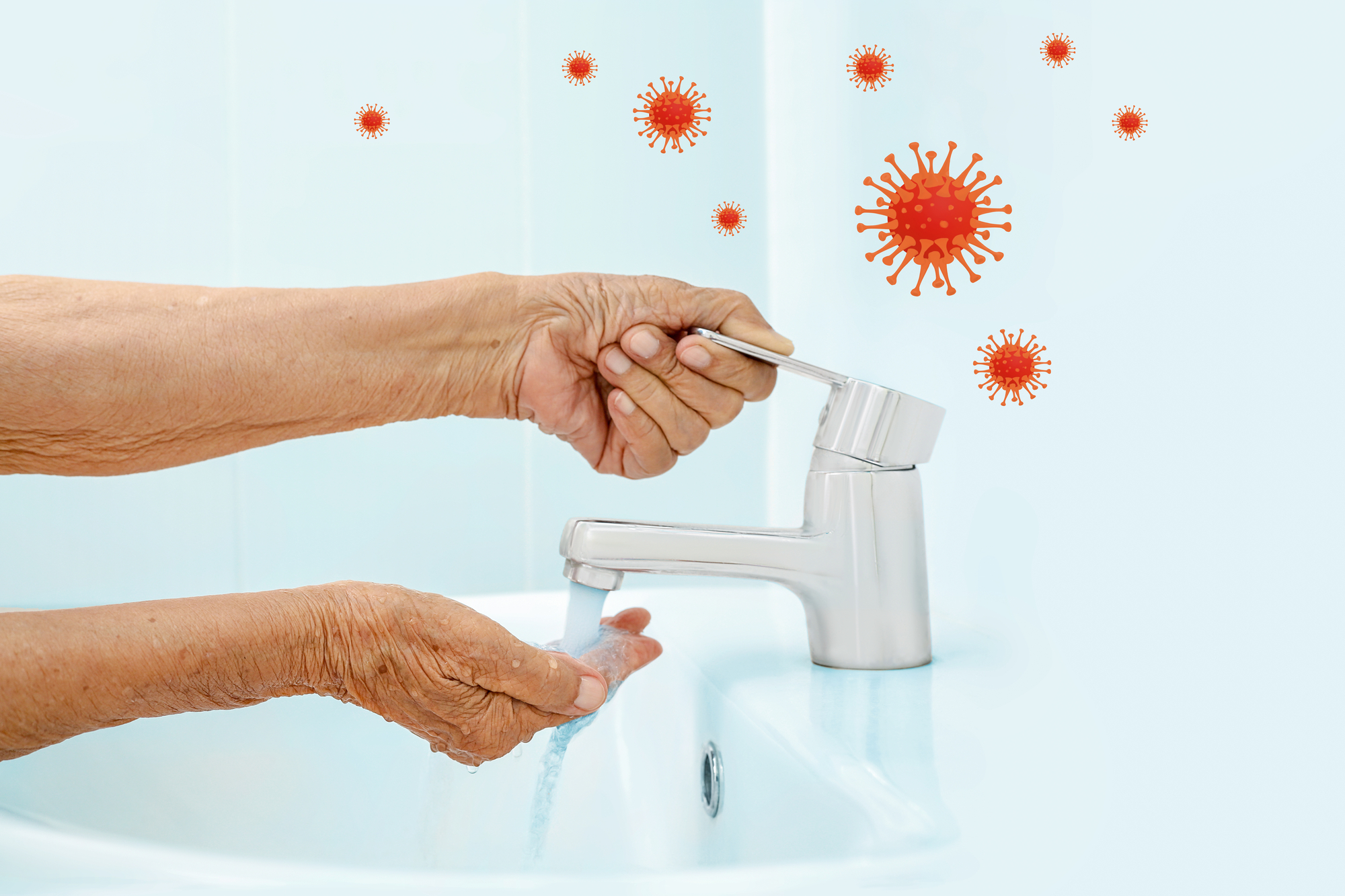
How to Keep Aging Loved Ones Safe and Comforted During COVID-19

Times have drastically changed. Things we didn’t even think twice about, such as going to watch a movie or eating at a restaurant with family and friends, is now being considered a thing of the past. The emergence of the COVID-19 virus has altered our usual ways of life. In its current state, we are left wondering how to navigate a new normal, which is additionally challenging if you have aging loved ones. You likely wonder, how can I keep them safe and comforted during COVID-19?  

Keeping Your Aging Loved Ones Safe

The idea of not being able to see our older family members and friends is not something we ever thought would become a choice in our lives. However, with the idea of keeping our loved ones safe and healthy, it is an idea we will have to get used to for the time being. Although there are many uncertainties, we still can do things for ourselves and our aging loved ones. 

Here are some key steps that you can take to make sure your loved ones are safe and comforted, even if you aren’t physically present to give that reassurance yourself. 

What To Do During COVID-19

  1.  Communicate via Phone or Video

Something so simple can mean the world to our loved ones right now. Whether it’s a phone call or a video call, there is always something comforting in letting our loved ones know that we are thinking of them in times like these. A distracting conversation can make a huge difference. 

In addition, you can remind them about any medications they need to take throughout the day. One popular method of family group conversations is Zoom calls. You can use it with other apps like Skype as well. Getting the whole family together for one massive video call, can be distracting and good for the soul. 

2.   Drop Off a Favorite Treat of Theirs

Whether it’s cookies or their favorite candle, dropping off something for your loved one lets them know that you are thinking of them. Feel free to get crafty and do your own DIY treats. 

Right now, withholding contact is the safest way to drop something off, so porch drop-offs are recommended. If you don’t have anything to give, that’s okay too. Just giving your loved ones a quick wave from their window can make their day! Ask if They Need Anything

This can go hand in hand with the above options, but simply reaching out and saying, “Hi, are you good on the essentials?” is a great way to keep your aging loved ones safe. This also takes the stress off of them if they’re thinking about how they have to venture out to the grocery store or another public place to pick up some essential items. Let your loved ones know that you are available to provide help if they need anything. 

3.   Watch Their Favorite Films with Them

If you reside with your aging loved one, consider having movie nights with their favorite films. This can be nostalgic and fun for them, as well as a treat for you. Films can be a great gateway to another time. Many people watch their favorite movies and TV shows as a way to soothe any anxieties or stress.

4.   Have An Elaborate Dinner

Cooking a warm and delicious meal can provide extra comfort during these times. If you live with your aging loved one, try new and old recipes together. Sitting around the dining table and having a relaxed conversation can distract and relieve anxiety. 

If you don’t live together, consider preparing a meal at home and dropping it off. 

5.   Connect Them with Faraway Relatives

Does your aging loved one ever mention a favorite cousin they miss talking to? If so, try arranging a phone or video call with their favorite cousin who lives in another country, or family that lives in another state. Right now, it is safe to say everyone as a collective craves communication. Socialization is actually considered a tool for happiness and longevity. 

What Not to Do During COVID-19:

Ignore Them

It seems like common sense, but don’t go too long without communicating with your aging loved one. You don’t want them to feel left out. During this time, a lack of communication could also cause them to worry about you. 

Scare Them

Another mistake would be to fill them with even more fear and anxiety than they already might be. Times do feel uncertain. However, you don’t want to reach out to loved ones and sound scared or hopeless about the current situation. 

If you are worried about their health or their safety, just remember to kindly remind them of the new steps they have to take to protect their health.

Make Them Feel Bad

This current situation is not only affecting them but everyone else as well. It is not just their safety that matters, but yours as well. Do not try and make them feel bad, or like you have to take extra precautions because of them. Yes, we want our aging loved ones to be around as long as they can, and we are willing to make the sacrifices for that to happen. However, this is no reason to blame or guilt-trip them because of the preventative measures we need to take. 

We’re All in this Together

By following the steps above, you can help your loved ones stay safe and healthy. Right now, we all need a little extra comfort and reassurance. Therefore, whenever you can, reach out to your aging loved ones and let them know you are thinking of them. These hardships won’t last forever, and we’re all in this together. 

Lastly, we know you can’t do it all. If you need help during this time to check on your aging loved ones, consider a home health aide. They can provide personal assistance, home chores, and companionship when you’re unable to. Contact Community Health Care to request a compassionate caregiver today.

Mental Health for Seniors: How to Identify Problems and Get Proper Care

Have you noticed that an older adult in your life is sleeping more than usual, seems angry and irritable, or is having suicidal thoughts? Did you know that these could be signs of a mental health problem?

According to the National Council on Aging (NCOA), one in four older adults—about 7 million—are living with a mental disorder such as depression or anxiety. By 2030, NCOA expects the number to double to 15 million.

The sad fact is that two-thirds of older adults with mental disorders do not receive treatment for their conditions. Untreated mental disorders can lead to poor overall health, higher health care costs, disability or impairment, compromised quality of life, increased caregiver stress, a higher risk of suicide, and death.

For these reasons, it’s important to recognize the warning signs and risk factors associated with depression and anxiety—and know how to get treatment for your aging loved one.

Depression in Seniors

The most prevalent mental disorder among seniors is depression, according to a brief released by the Healthy Aging Program at the Centers for Disease Control and Prevention (CDC) and the National Association of Chronic Disease Directors (NACDD). Depression in seniors can lead to health conditions such as diabetes, heart disease, and stroke, and the condition can make it difficult for the sufferer to seek treatment.

Warning Signs and Risk Factors of Depression in Seniors

As a caregiver, it’s important to know the signs and risk factors of depression to ensure that the senior in your life receives treatment as quickly as possible. As with most mental health disorders, depression has numerous symptoms. Some seniors may only experience a few symptoms, while others may show signs of several.

The National Institute of Mental Health (NIMH) lists the most common warning signs of depression in seniors as:

  • Persistent Sad, Anxious, or “Empty” Mood
  • Feelings of Hopelessness or Pessimism
  • Irritability
  • Feelings of Guilt, Worthlessness, or Helplessness
  • Loss of Interest or Pleasure in Hobbies and Activities
  • Decreased Energy or Fatigue
  • Moving or Talking More Slowly
  • Feeling Restless or Having Trouble Sitting Still
  • Difficulty Concentrating, Remembering, or Making Decisions
  • Difficulty Sleeping, Waking Early in the Morning, or Oversleeping
  • Changes in Appetite
  • Changes in Weight
  • Thoughts of Death or Suicide
  • Suicide Attempts
  • Aches or Pains, Headaches, Cramps, or Digestive problems—Without a Distinct Physical Cause

Do you think an older adult in your life for is suffering from depression? If they have experienced any of these symptoms for a majority of the days over a two-week period, their health care provider should screen them for depression.

In addition to the warning signs, there are a few risk factors associated with depression in seniors. These include:

  • A Personal or Family History of Depression
  • Major Life Changes, Stress, or Trauma
  • Certain Physical Illnesses and Medications

Anxiety in Seniors

Anxiety is another prevalent mental health condition for seniors, and it often is associated with depression. In fact, nearly half of older adults who are diagnosed with depression also experience anxiety, according to the CDC and NACDD brief.

Warning Signs and Risk Factors of Anxiety in Seniors

Generalized anxiety disorder (GAD) is the most common type of anxiety. Seniors with GAD are typically over-anxious and worrisome for a majority of days for at least six months. From personal health and everyday routines to work and socialization, GAD can affect nearly every aspect of a senior’s life.

Like depression, there are numerous warning signs when it comes to anxiety. According to the NIMH, caregivers should be aware of the following signs and symptoms of GAD in seniors:

  • Feeling Restless, Overly Excited, or On-Edge
  • Being Easily Fatigued
  • Having Difficulty Concentrating
  • Mind Going Blank
  • Irritability
  • Experiencing Muscle Tension
  • Difficulty Controlling Feelings of Worry
  • Having Sleep Problems (Difficulty Falling or Staying Asleep, Restlessness, or Unsatisfying Sleep)

Besides these signs and symptoms, chronic health problems such as thyroid conditions or heart arrhythmias can lead to or increase anxiety symptoms. Drinking caffeinated beverages, substance abuse, and certain medications can also cause anxiety.

According to the NIMH, research has shown that genetics and environmental factors can increase the risk of developing anxiety. A few of the common risk factors associated with anxiety disorders are:

  • Shyness During Childhood
  • Exposure to Stressful or Negative Life or Environmental Events
  • A Family History of Anxiety or Other Mental Illnesses

Treating Depression and Anxiety in Seniors

The typical treatments for both depression and anxiety in seniors include medication and psychotherapy—or a combination of both. Caregivers need to be aware of the signs and symptoms of each condition since treatments are generally more effective when they begin during the early stage of either condition.

Whether you’re a caregiver in a long-term care facility, assisted living facility, or a home health care provider, several activities can help promote the mental health and wellbeing of seniors. The Substance Abuse and Mental Health Services Administration recommends enhancing your caregiving routine with the following types of activities:

  • Healthy Activities: Walking, exercise classes, interactive games, gardening, relaxation classes, yoga, Quigong, or Tai Chi.
  • Intellectual Activities: Reading books, discussing current events, crossword puzzles, card games, chess, or strategy games.
  • Artistic Activities: Arts and crafts, creative writing, music, drama, and dance.
  • Skill-Building Activities: Classes to learn about computers, cooking, sewing, carpentry, gardening, finances, or grandparenting.
  • Spiritual Activities: Attending religious services or prayer groups, celebrating religious holidays, or meditation classes.
  • Volunteer and Mentoring Activities: Intergenerational activities with children, teens, and young adults.
  • Coping Activities: Classes on loss and bereavement, caring for a spouse, problem-solving, or socialization.

If you’re an older adult living with depression, anxiety, or another mental health disorder, there are a number of things you can do to while you’re being treated for your condition to help improve your quality of life:

  • Be Active and Exercise Regularly
  • Set Realistic Goals
  • Spend Time with Friends or Family
  • Don’t Isolate Yourself—Reach Out for Help
  • Know That Your Mood Will Improve Over Time—Not Right Away
  • Postpone Major Life Changes (Getting Married or Divorced, Changings Jobs, Etc.)
  • Discuss Major Decisions with a Trusted Relative, Friend, or Your Caregiver
  • Educate Yourself About Your Condition

Do you have a loved one that is living with a mental health disorder? Community Home Health Care has a dedicated staff of experienced and trained in-home caregivers, including personal care aides, registered nurses, and home health aides. To learn more about our services, visit our website and fill out our simple online form. You can also visit us in person or call (845) 425-6555 to speak with a caring representative today. Whether you need medical assistance, personal care, or friendship, we’re here to help!


Winter Safety Tips for Seniors & Caregivers

Brrr! When temps drop and the roads get icy, it can be tempting to snuggle under the covers for the whole winter. But although the cold season may not be pleasant for anyone (sled rides excluded), winter weather can be particularly dangerous for the elderly—and caregivers and seniors alike need to be prepared and winter-smart to avoid the risks of cold, ice, and electrical issues.
Luckily, with just a little bit of planning and caution, you can make sure that the seniors in your life are prepared to handle anything the winter throws at them—and your elderly loved ones can know the right steps to take to stay safe and healthy all season.

6 Quick Tips for Keeping Seniors Winter-Safe

Prevent falls and slips.
Yikes, those icy patches can be tricky for everyone. But for seniors, any slip or stumble can lead to serious injury, from hip and wrist fractures to head trauma, lacerations, or even bad bruising that limits mobility.

Luckily, you don’t need to stay inside to prevent a slip (but if the weather is very bad, an evening at home can be a good idea!). To handle ice and sleet safely, make sure your loved one has winter shoes with good traction and non-slip soles and, if they use a cane, replace the cane tip for best use.
Once you’ve come inside, make sure both you and your loved ones leave any wet or icy shoes at the door to prevent slippery surfaces on hardwood or linoleum floors.

Prepare for outages and storms.
Snowstorm blackouts may be exciting for the kids, but lack of electricity or downed power lines can lead to harmful situations for seniors.
Prepare for limited travel ability or black-outs by creating a disaster kit of needed supplies and food to keep on hand. Your kit should include non-perishable food and water for several days, as well as a manual or battery-operated can opener, and battery-powered flashlight, radio, and extra batteries.
And don’t forget the medicine! Make sure you have extras of your loved ones’ necessary medications and first aid essentials.

Watch your heating appliances.
Space heaters, electric blankets, and other heat sources may be cozy and warm in cold climates, but they must be handled safely.
Before using any device, check that there are no signs of damage, age, or fraying to the material or power cords. When in use, make sure that avoid covering the device and keep any heat source away from flammable materials.
If you’re snuggling by a fireplace or warming up with gas heaters, prevent dangerous carbon monoxide poisoning by keeping an updated, working carbon monoxide detector nearby.

Stay covered and warm.
Cold temperatures can be a risk of easily preventable frostbite and hypothermia—-especially for those over age 65. And since we can’t stay indoors all winter long, make facing the cold a little easier by taking note of a few important cold weather steps:
Don’t skimp on the heating bills — keep your senior’s indoor space at a comfortable temperature,
Don’t forget to check on heating appliances, boilers, and utility bill payments to avoid being left in the cold!
Don’t skip bundling up with layers: socks, heavy coats, gloves, scarf, and a hat can keep everyone cozy and warm all winter long.
Don’t forget to stay warm indoors too—remind your loved ones to dress warmly if the house has drafts, chilly bathrooms, or cold floors.

Fight the winter blues.
Feeling gloomy under the grey skies? That’s pretty common!
Cold winters, with the lack of sun and limited social outings, can lead to feelings of loneliness, isolation, and depression for everyone.

To help your elderly loved one or patient beat the winter blues, make sure to maintain a regular schedule of visitors or phone calls—or consider setting up a home companion or adult daycare schedule. A daily check-in not only keeps loneliness at bay, but also ensures there’s always someone to notice any health or environment changes that may be worrisome.

Keep a healthy diet.
In the colder months, dehydration and poor nutrition are common causes of poor health for seniors.
Limited time outdoors, lack of exercise and poor diet can lead to vitamin deficiencies, especially Vitamin D. And since it’s chilly outside, it’s easy to forget a daily water intake—which can lead to dehydration. Focus on maintaining sufficient fluid intake and a fortified, balanced diet to keep healthy and fight off the sniffles, all year long.

Staying safe and healthy all winter can be a challenge. But the right home care can help. Learn more about finding compassionate caregivers focused on dignity and quality of life by reaching out to Community Home Health Care at 845.425.6555. We’re always happy to answer any questions and connect you with the right care for your family.

Why Some Seniors Lose Their Hearing and How You Can Prevent it

As seniors get older, it’s not uncommon for them to lose their hearing.

A grandmother who used to share whispered secrets with a grandchild may now struggle to hear shouts from across the house. A grandfather who used to be an avid talker may now feel isolated from discussions he can’t make out.

While hearing loss is a common side effect of aging, it’s not the rule for every senior. With proper care and prevention tactics, there are plenty of things you can do to prevent hearing loss and maintain your hearing well into your golden years.

Read on to learn more.

Why Hearing Loss Happens in Seniors

Today, about 8.5% of seniors ages 55-64 are experiencing some degree of hearing loss. By the time seniors reach the age of 75 or older, that number has risen to 50%.

With these numbers in mind, it’s clear that hearing loss is a widespread problem that affects many people. But what causes it?

The truth is that there are dozens of reasons for hearing loss and that very few people lose their hearing for the same reason.

For starters, age is a factor in hearing loss. As you age, the microscopic hairs in the ear (which are required for helping the brain make sense of sound waves) get damaged or die off completely, making it more difficult for seniors to convert sound waves into discernable sounds.

This type of hearing loss is known as presbycusis, and it is, unfortunately, permanent. Once the hairs in the ear have become damaged, they cannot grow back, and seniors must turn to mechanical hearing aids and the like.

Aside from age-related hearing loss, there is also hearing loss associated with things like medications, high blood pressure, tumors in the brain or inner ear, strokes, viruses, punctured eardrums, or even a simple buildup of earwax. In some cases, people who have worked in loud industries (such as music or factories) may experience hearing loss that results because of damage to the eardrum.

The Effects of Hearing Loss

For people who haven’t experienced hearing loss, the effects of the condition may seem as simple as not being able to hear friends or acquaintances or requiring people around you to speak louder.

If you’re currently suffering from hearing loss, though, you know that the effects can be much more pronounced than that. For many people, hearing loss results in a pronounced feeling of isolation and exclusion.

While the world around you continues to move, as usual, you’ve lost your ability to participate as you once did simply because you can’t hear like you once did. The effects can be devastating.

In some cases, the effects of hearing loss can go far beyond the physical and start to affect seniors on a mental and emotional basis. According to one 2014 study, approximately 12% of seniors affected by hearing loss experience depression ranging from moderate to severe.

In addition to being linked to an increased risk of depression, hearing loss can also wreak havoc on a senior’s cognitive function. According to a JAMA Internal Medicine study published in 2012, hearing loss can decrease cognitive function by as much as 41% in some seniors.

These things can be detrimental to your health and, as such, it’s critical to ensure that you’re taking proactive steps to prevent hearing loss. 

How to Prevent Hearing Loss

We’ve all heard the saying “an ounce of prevention is worth a pound of cure, and nowhere does it ring truer than with hearing. While hearing is difficult to restore once it’s been lost, it’s relatively simple to maintain. With this in mind, here are some of the primary ways seniors can protect their hearing both now and in the future: 

1. Wear ear protection.

Upwards of ten million Americans have already done irreversible damage to their hearing as a result of loud noises. With this in mind, it’s clear that protecting your ears from loud noises is essential. Because of this, it’s wise to wear ear muffs at loud concerns, insert ear plugs before running chainsaws or other loud machinery, and be careful about how loud the music you play in headphones is. These are small steps, but they can serve to safeguard your hearing in the years to come.

2. Be careful with medications.

Some medications can have dire effects on hearing, and many people assume this is normal when it’s not. If you’ve noticed that a medicine you recently started taking is affecting your hearing negatively, see your doctor. There may be an alternate treatment you can adopt to protect your hearing and your health.

3. Get frequent check-ups.

While many people forgo annual hearing screenings, attending them allows you to catch dangerous hearing loss issues before they become permanent. Be sure to see your doctor about any new or worsening hearing symptoms as you age.
While these tips may seem simple, they can go a long way toward preventing the damage caused by hearing loss and ensuring that you remain happy, healthy, and alert well into their senior years. What’s more, these easy prevention tips can also contribute to ensuring that you never have to suffer the cognitive and mental challenges caused by pronounced hearing loss. 

How to Treat Hearing Loss

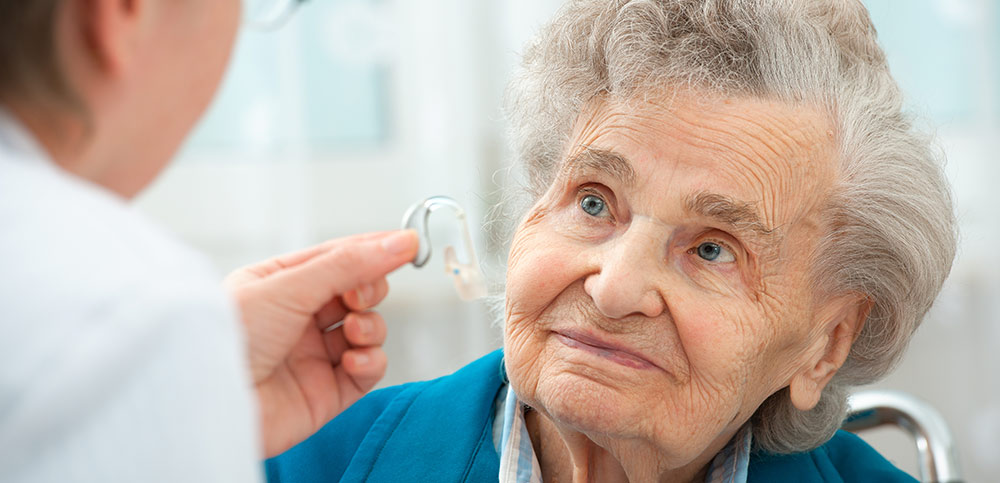
If you’ve already suffered irreversible hearing loss, don’t fret. Because hearing loss is so common, it has many well-researched treatment options. For example, people suffering from hearing loss may find a hearing aid helpful for day-to-day life. Hearing aids are beneficial for seniors with various levels of hearing loss and are available in a wide selection of sizes, options, and styles.

While many people are concerned about how wearing a hearing aid will make them look, today’s models are small and low-profile, so you’re the only one who knows you’re wearing one.

If a hearing aid isn’t a fit for your unique situation, you can also explore surgical treatment options, including cochlear implants, which are meant to treat severe hearing loss by making sounds louder and helping seniors decipher the noises around them.

Beyond surgery, there are also many non-invasive and non-mechanical options available. These range from sign language to lip reading, and can serve to help you feel more interactive and included in your daily life. 

Hearing Loss Doesn’t Have to be a Reality for All Seniors  

Hearing loss affects millions of Americans, and it can have devastating repercussions for mental and emotional well-being. Luckily, it doesn’t have to be the status quo. By understanding the common causes of hearing loss and taking proactive steps to prevent it, you can protect your hearing throughout the aging process.

While some hearing loss is hereditary and can’t be prevented entirely, these smart steps can help you reduce environmental risk factors and ensure that you’re doing what you can to keep your hearing in tip-top shape.

Although many people assume that hearing loss is an intrinsic portion of old age, this doesn’t have to be the case, and people who understand the causes of hearing loss and know how to prevent them are better equipped to stay sharp and alert throughout their golden years. 

10 Healthy Outlets to Relieve the Caregiver Burden

Being a caregiver can be an exhausting pursuit. While it’s important work, many caregivers feel burned-out and tired because of their caregiving duties. What’s more, many aren’t sure how to cope with the stress and anxiety their professions create.

Because of this, it’s essential for caregivers to have healthy outlets to relieve stress, get in touch with themselves and friends, and live happy, centered lives. Luckily finding a healthy outlet is easier than you might think! Here are our top ten suggestions.

10 Healthy Outlets for Caregivers

Whether you work as a family caregiver or a caregiver for an in-home agency, having an outlet is more critical than you might think. Stress, a major factor in virtually every chronic disease, weighs heavily on caregivers, and a good outlet is essential to blow off steam and cope well with the stresses of caregiving life. These ten outlets are great places to start:

1. Writing

Writing has been shown to calm the mind, relieve stress, alleviate anxiety and heal trauma, promote good communication skills and increase your memory capacity. Luckily, you don’t need to be Hemingway to do it.

If you’ve never written before, there are many ways to get started. Consider joining a local writing class or taking a writing course online. These guided formats are attractive for people with no experience in writing who want to get started in a group setting.

If you’d prefer to do it yourself, you can just purchase a notebook and some pens and jot down your feelings at the end of each day. Set a timer for 5-10 minutes and write until it goes off. Don’t try to structure yourself or edit yourself as you go – just write!

While many people are intimidated by writing, it can be a fantastic outlet for people in high-stress environments.  Simply getting your brain out on paper can work wonders to reduce your stress and provide an outlet at the end of a hard day.

2. Ceramics

There’s no underestimating the importance of learning to do something with your hands. If you’ve never been a crafty person, ceramics is a great place to start. In addition to the fact that ceramics classes are available at most community colleges, universities, and local arts studios, ceramics is also a great way to create some lovely keepsakes for you, your family, and your patients.

You may also find that, over time, you enjoy ceramics enough that you want to pursue it as a hobby for years to come.

3. Exercise

Exercise has been shown to be more effective than pharmaceuticals at treating anxiety and depression. If you feel stressed-out and overworked by your caregiving position, blow off some steam with exercise.

A good 30-minute run, brisk hike, long yoga class, or walk with your dog is a great way to get the feel-good energy flowing, and to manage stress caused by your work. What’s more, exercise also keeps your heart healthy, fights weight gain, and helps you sleep better at night.

Not sure where to start with exercise? Don’t go it alone. Partner with an active friend or join a gym, most of which offer a few personal training sessions with new memberships. This will help you learn to work out safely and correctly.  

4. Therapy

Therapy can be invaluable for people struggling to manage the stress of their caregiving positions. For best results, seek out a therapist with experience working with caregivers.

While many people believe that therapy won’t help them, it can be a fantastic way to handle the stress and difficulties of caregiving and find healthier ways to cope with difficult emotions like grief and sadness.

5. Support Groups

Like therapy, support groups provide an important bouncing-off point for people who work in stressful professions like caregiving. In a support group, you’ll find a dedicated group of like-minded individuals who understand your struggles and can work with you to help alleviate them.

What’s more, support groups can work with you to turn you on to helpful resources and give you the tools you need to navigate difficult caregiving situations.

6. Dance

Dance is a great way to get your body moving and dump stress all at once. Never been a dancer? No problem! Sign up for a fun local dance class in your community or join a local play to get moving.

Designed to incorporate fun, discipline, and exercise all into one movement, dance is a great way to cope with the stresses of being a caregiver.

7. Meditation

Having trouble staying in the moment? Meditation might be able to help. Designed to offer the help you need calming down, getting rid of obsessive or difficult thoughts, and maintaining your center throughout the day, meditation is a great outlet for busy or stressed-out caregivers who need help coping.

Studies have also shown that mindfulness meditation is effective at resolving anxiety, which is a bonus for caregivers.

8. Yoga

Yoga combines breath and movement for a truly calming experience that’s also good for your body. Clear up kinks in your back with downward dog while breathing your way through a stressful day or a difficult situation.

9. Reading

Reading is one of the best ways to escape from reality and infuse yourself into a new and exciting world! Pick up a novel you love to escape the day-to-day and get busy imagining new and exciting worlds. It’s also a great way to combat stress and cut down on anxiety.

10. Meeting with Friends

Laughter is the best medicine and meeting with friends is a great way to blow off steam and help yourself recover from busy caregiving days. Make tie in your schedule to get together with the friends you love and cherish.

Not only will you feel happier and less stressed because of it, but you’ll also maintain your connection to the outside world and keep your finger on the pulse of the things that keep you inspired and exited outside of caregiving.

Healthier Outlets Start Here

There’s no question about it: being a caregiver can be difficult. Finding healthy outlets is key to coping with those difficulties, though. Luckily, activities like dancing, reading, yoga, and writing can help you work through difficult emotions and find healthy methods of expression.