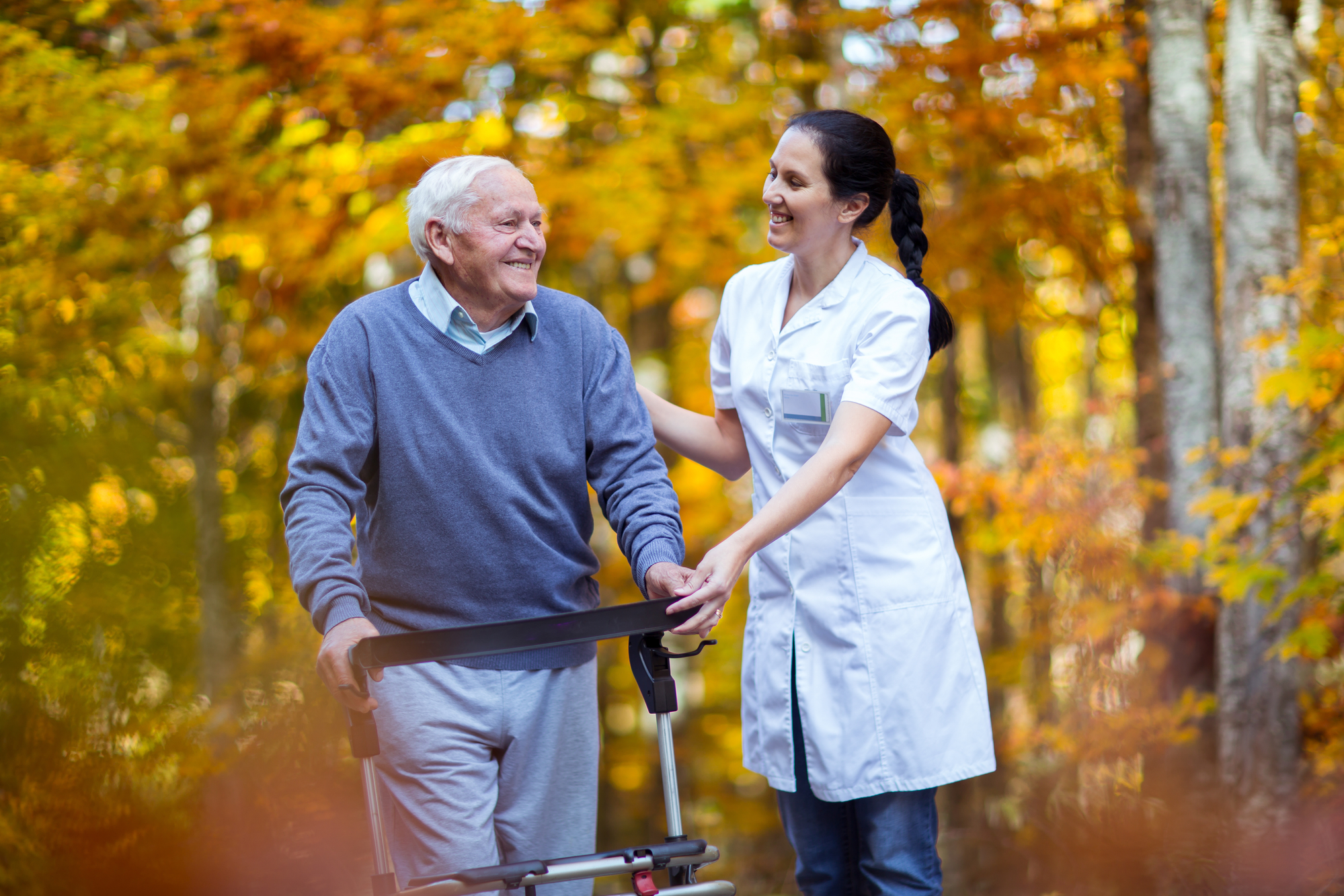
Understanding Different Types of Homecare Services

As our loved ones age, finding the right level of support becomes one of the most important decisions families make. With so many types of homecare services available, understanding what each offers can help you choose the best fit for your loved one’s unique needs. From companionship to personal care, homecare provides a flexible and compassionate way to help seniors maintain their comfort and independence at home.

According to the U.S. Bureau of Labor Statistics, the demand for home health and personal care aides is projected to grow by 22% between 2022 and 2032, much faster than the average for all occupations. This highlights just how essential homecare has become for aging adults. 

Personal Care Services

Personal care services focus on assisting with activities of daily living (ADLs), which are essential for maintaining health and hygiene. These services often include help with bathing, dressing, grooming, and mobility assistance. Personal care aides provide not just physical help, but also emotional reassurance and companionship, allowing seniors to stay confident and comfortable in their own homes.

Companion Care Services

For many older adults, loneliness and social isolation can take a toll on both mental and physical health. Companion care offers emotional support and friendship while helping with light household tasks, meal preparation, or running errands. This type of homecare service is ideal for seniors who live alone or simply need more daily interaction and encouragement.

Skilled Nursing Services or Private Duty Nursing

Skilled nursing is one of the more specialized types of homecare services, designed for individuals who need medical attention provided by licensed professionals. These services may include wound care, medication administration, and post-surgical monitoring. Skilled nursing is often recommended for those recovering from hospitalization or managing chronic health conditions.

Respite Care Services

Family caregivers play a vital role in supporting loved ones, but caregiving can be physically and emotionally demanding. Respite care offers short-term relief, giving family members a chance to rest and recharge. Whether it’s a few hours a week or an extended break, respite care ensures that seniors continue to receive compassionate attention while caregivers maintain their own well-being.

How Community Home Health Care Can Help

At Community Home Health Care, we offer a full range of services designed to meet every stage of your loved one’s journey. We are an essential addition to your caregiving support network as we work closely with families to create personalized care plans that support independence, dignity, and safety at home.

If you’re exploring types of homecare services for your loved one, contact Community Home Health Care today to learn how we can help.

Creating a Caregiving Support Network: Finding Help and Resources

Caring for an aging loved one can be deeply rewarding, but it can also feel overwhelming without the right help in place. That’s why creating a caregiving support network is so important. A strong network provides practical assistance, emotional support, and access to resources that make the caregiving journey easier for both families and seniors.

Why a Caregiving Support Network Matters

Family caregivers often juggle multiple responsibilities, from work to raising children, in addition to providing care. Without support, this can lead to stress and even caregiver burnout. A caregiving support network ensures you’re not facing the challenges alone and gives your loved one the consistent, reliable care they deserve. With 24% of the U.S. adult population providing care and 64% of those caregivers reporting high emotional stress, finding the right support is crucial.

Key Elements of a Caregiving Support Network

Family and Friends

Start by including family members, close friends, and neighbors. Even small contributions, like helping with errands or visiting regularly, can make a big difference.

Professional Caregivers

Homecare services play an essential role in your support network. Professional caregivers provide assistance with daily living, companionship, and safety, giving families peace of mind and much-needed breaks.

Community Resources

Many communities offer caregiver support groups, respite care programs, and wellness resources for seniors. These connections can provide valuable education, encouragement, and relief.

Healthcare Providers

Doctors, nurses, and specialists are vital members of your network. Keeping open communication ensures your loved one receives the right care and attention to their medical needs.

Building Your Own Caregiving Support Network

Start with Open Communication: Talk with family members about what kind of help is needed and how responsibilities can be shared.

Explore Local Resources: Look into senior centers, community programs, and nonprofit organizations that support caregivers.

Consider Professional Homecare: Adding homecare to your caregiving support network not only provides expert assistance but also helps seniors maintain independence while receiving personalized care.

How Community Home Healthcare Can Help

At Community Home Health Care, we provide compassionate, professional caregivers who support both seniors and families. From assisting with daily tasks to offering companionship and creating a safer home environment, our services help strengthen your network so you don’t have to do it all alone. Get in touch with us today to learn more!

Is It Time? When to Get Homecare for Your Aging Loved One

Caring for an aging loved one can be both rewarding and challenging. One of the most important decisions families face is knowing when to get homecare. Approximately 12 million Americans receive home healthcare services each year, but recognizing when it’s the right time for your loved one can feel overwhelming. Families often struggle to balance independence with safety, wondering if extra support is really necessary. Understanding the signs and knowing what to look for can make the decision clearer and bring peace of mind to families.

Challenges With Daily Living

Difficulty managing activities of daily living (ADLs) is one of the first indicators that it may be time to bring in professional support. Tasks such as bathing, dressing, eating, toileting, and safely moving around the home can become increasingly difficult. Homecare providers can offer hands-on assistance to keep seniors independent while minimizing the risk of falls or accidents.

Health and Medication Management

Struggling to manage medications, attend doctor’s appointments, or cope with chronic conditions are clear signs of when to get homecare. Professional caregivers can monitor for changes in health and communicate with family members and healthcare providers to ensure your loved one receives proper care.

Emotional and Social Wellbeing

Seniors experiencing loneliness, anxiety, or sudden changes in mood may also need additional support. Isolation can affect mental and physical health, and homecare services provide companionship, mental stimulation, and opportunities for meaningful social engagement. Recognizing these signs early is key to maintaining emotional wellbeing.

Home Safety Concerns

Frequent falls, difficulty navigating the home, or cluttered living spaces are practical indicators that it may be time for professional support. Homecare professionals can assess the home environment implement safety modifications, and provide the assistance needed to prevent accidents, helping seniors remain safely at home.

How Community Home Health Care Can Help

Understanding when to get homecare is the first step toward ensuring your loved one’s safety and quality of life. At Community Home Health Care, our caregivers assist with personal care, meal preparation, mobility support, companionship, and home safety. We work closely with families to develop personalized care plans tailored to each senior’s unique needs, giving peace of mind to both seniors and their families.

Navigating Homecare: A 2025 Guide to Choosing the Right Care

As our loved ones age, ensuring they receive the proper support and attention becomes a top priority. With over 11,400 home health agencies in the U.S., according to the CDC, the search for the right provider can feel daunting. This comprehensive homecare guide is here to simplify the process, offering practical tips to help you make informed decisions and highlighting how Community Home Health Care can be a trusted partner in meeting your family’s needs.

Why Homecare?

Homecare offers a personalized approach to senior care, allowing individuals to remain in the comfort of their own homes while receiving the assistance they need. From help with daily tasks to companionship and specialized medical care, homecare services can significantly enhance a senior’s quality of life.

Steps to Choosing the Right Homecare

  1. Assess Your Loved One’s Needs
    Start by evaluating the specific support your loved one requires. Consider factors like mobility, cognitive health, medical needs, and social interaction.
  2. Research Providers
    Look for licensed and reputable homecare agencies. Check reviews, ask for recommendations, and ensure the agency offers the services your loved one needs.
  3. Prioritize Personalized Care Plans
    Every individual is unique, so care plans should be tailored to reflect their needs, preferences, and routines.
  4. Understand the Costs
    Discuss pricing and payment options with potential providers. Some services may be covered by insurance or government programs, so inquire about financial assistance.

How Community Home Health Care Stands Out

At Community Home Health Care, we pride ourselves on delivering compassionate, high-quality care. Here’s how we can make a difference:

  • Tailored Care Plans: We design individualized plans to suit the specific needs of your loved one.
  • Trained Caregivers: Our caregivers are fully trained in order to deliver the best care possible to your loved one.
  • Comprehensive Services: From assistance with daily activities to skilled nursing, we cover a wide range of needs.
  • Flexibility and Availability: We’re here when you need us, whether it’s for short-term care or ongoing support.

Selecting the right homecare provider is a crucial decision that can greatly impact your loved one’s well-being. With this homecare guide, you’re equipped to make an informed choice. Community Home Health Care is here to support you every step of the way, providing exceptional care that puts your family’s needs first.

Contact us today to learn more about our services and how we can help your loved one thrive.

Tech & Seniors: They are more Closely Correlated than you Thought

Tech & Seniors: They are more closely correlated than you thought

When you think of technology, you may think of things like 4d movies, AI chatbots and teenagers.
You most likely would not associate technology with seniors. But technology is advancing every aspect of society- from waste disposal to wealth management- and senior care is not left out. Technology is transforming the landscape of senior care, providing innovative solutions that enhance the quality of life of seniors and improve their overall health outcomes.

Learn about some of the ways technology is impacting seniors and how you can utilize it to better care for yourself or the seniors in your care.

Telehealth:

With the advent of telehealth, seniors can receive medical consultations and treatment from the comfort of their homes. This is particularly important for seniors who have mobility issues or live in remote areas. Telehealth also provides easier access to specialists and reduces the need for hospitalization.

Wearables:

Wearable devices, such as fitness trackers and smartwatches, can help seniors monitor their health and wellness. An invaluable device for seniors, to wear on a lanyard or belt clip, is an emergency call button that they can press to send an emergency alert to designated contacts or emergency services. This can be especially useful in case of a medical emergency or if the senior feels unsafe. Devices may also track vital signs, activity levels, and sleep patterns, alerting seniors and caregivers to potential health issues.
If you or the senior in your care doesn’t have one already, consider purchasing and setting one up for 24/7 safety.

Medication management:

Technology has made medication management much easier for seniors. There are now medication reminder apps and automated pill dispensers that can help seniors take their medication on time and avoid missed doses- something very valuable at this stage of life when prescriptions are piling up but memory is slowing down.

Home automation:

Smart home technology can help seniors age in place safely and comfortably. For example, smart thermostats can regulate temperature and smart locks can secure homes.
Voice-activated assistants, such as Amazon’s Alexa, Google Assistant, or Apple’s Siri, can be valuable tools for seniors to help them with daily tasks. For example, they can set reminders and alarms to help seniors remember important appointments, take their medication on time, or perform daily tasks.
Voice-activated assistants can be particularly beneficial for seniors with limited mobility, vision, or hearing. They can use them to help with simple tasks such as checking the weather or putting on some music. They can also provide a sense of companionship for seniors who live alone.
To ensure that seniors get the most out of voice-activated assistants, it’s important to set them up properly and provide training and support as needed.

Social connectivity:

Social isolation can have a negative impact on the health and well-being of seniors. However, due to their limited mobility, seniors may not be able to get out to see friends or family. With the advance of technology, seniors can easily stay connected with family and friends through social media such as Facebook, Whatsapp, and Twitter, video conferencing such as Zoom, Google Meet or Skype, and numerous other online platforms. With these technologies, seniors can enjoy speaking to their family and friends across the globe, ‘seeing’ their grandchildren grow up and staying updated with all the family news.

Overall, technology is providing innovative solutions that improve the quality of life for seniors and allow them to age in place with dignity and independence. As a senior citizen or a carer for one, make it your business to explore new aspects of technology and see what benefits you can gain from it.

At Community Home Health Care, we offer home health aides who can help you do just that. Find additional caregiver resources on our website, and explore a variety of timely topics such as medical assistance, personal care, and senior companionship.

Reach out to us today to learn more about our team of caring and experienced personal caregivers, registered nurses, and home health aides who expertly serve families just like yours. We’re here for you and are happy to assist your family at any time. Give us a call at (845) 425-6555 with any questions.

Prescription Drug Misuse: Ways to Avoid Misuse among the Elderly

Prescription Drug Misuse: Ways to Avoid Misuse among the Elderly

When people talk about addiction, the elderly age group is the last thing to come to mind.
However, you won’t be surprised to find that in the United States alone, over 40 % of prescription drugs are used by the elderly. And according to NCADI, over 17% of adults aged 55 and above misuse prescription medicines such as painkillers, sleeping pills, and sedatives.

Why seniors?

Many adults begin to experience significant body changes as they advance in age. Their bodies tend to have increased sensitivity or reactions to medications they were previously comfortably using. These reactions may include increased body pain, slowed metabolism, memory loss, and sleeping disorders.

Older adults are likely to misuse medical prescriptions accidentally. Due to various body complications resulting from aging, the elderly take more medications than other age groups to help them live a comfortable life. Chronic health conditions such as diabetes, arthritis, and heart disease may result in combined prescriptions leading to higher exposure to addictive drugs.Over 50% of people aged 55-85 use prescription drugs over five times daily, increasing the risk of misuse.

Since our bodies’ ability to absorb medications slows down with age, seniors may become prone to addiction or experience adverse side effects from prescription drugs, even at a lower dosage.

Misuse of Prescription Medicines: how this plays out with older people

The elderly are among those most exposed to prescription abuse. They take more over-the-counter (OTC) tablets and prescribed medicines, and the potential to misuse them is higher by:

• Taking alcohol with medications

• Taking the medications for a prolonged period against the prescription

• Taking higher doses to reduce the pain or anxiety faster than the prescription

• Taking non-prescribed medications

• Using multiple medications at the same time, resulting in drug interactions

Common prescriptions drugs that are most likely to be misused by the elderly

Medications mostly used by seniors to relieve symptoms associated with anxiety, chronic pain, and insomnia have the highest potential of abuse resulting in addiction.
They include:

• Opioids

Opioids such as oxycodone and acetaminophen are commonly used to relieve or control pain. An older adult will likely become addicted by taking these medications for a prolonged period or in higher doses.

A person can develop feelings of euphoria after taking opioids in higher doses which may eventually lead to dependence and addiction, and even death.

• Benzodiazepines

Benzodiazepines such as Xanax, diazepam, and lorazepam relieve sleeping disorders, anxiety, and depression. An older adult may become addicted by self-medicating or taking higher doses than the prescription.

Signs to look out for if you suspect an elderly is misusing or abusing prescription drugs

Recognizing the signs of prescription drug misuse among the elderly can be complex. This is because the signs are sometimes similar to those associated with aging, such as feelings of confusion and loss of memory. Becoming familiar with your loved one’s medication routines and behaviors will help you to identify warning signs of medication abuse:

• Taking more pills than the prescription instructs. This is a definite red flag. You can confirm this by looking at the dosage instructions on the medication container to clarify whether or not they strictly follow the prescribed dose.

• Change in behavior or moods by becoming argumentative, secretive, or nervous.

• Giving a lot of excuses for taking excessive medications.

• Becoming remorseful or concerned about using the prescriptions.

• If the older person has been previously treated for substance abuse.

• Changing their physicians or drug stores should be a cause for alarm.

• Receiving similar prescriptions from more than two drug stores at the same time.

• Becoming agitated when you ask or talk about their prescription usage.

• Losing interest in fun activities that they once enjoyed.

• Hiding or sneaking medications is a common sign of drug misuse.

• Showing signs of confusion and forgetfulness.

• Showing signs of slowed reflexes and slurred speech.

• Becoming afraid of going out without taking the medication.

• Storing “extra” tablets in their pockets.

• Showing signs of decreased attention.

• Exhibiting repetitive behaviors.

Physical signs like dilated pupils, dry mouth, watery eyes, or itchy skin are also common signs of prescription misuse.

How you can help an older person to effectively manage their prescriptions:

As a caregiver or responsible family member, there are many ways you can help the senior in your care to manage their medications safely:

• Keep a close eye to ensure you know the type and reasons for taking the prescribed medications.

• Ensure the senior in your care follows the prescribed dosage consistently.

• Draw up a medication table or purchase a pill organizer to so it’s clear which medications, and how much, should be taken each day.

• Ask the relevant drug stores if they can provide all medications in compliance packaging. (That means they custom pack blister packs with the specific meds for each day & time of day that they need to be taken.)

• Offer painkillers or sedatives only when really needed and reduce/remove them as soon as possible.

• Seek alternative pain management methods in the case of long-term pain A pain management professional or therapist can be a great help, managing and reducing the pain so that your loved one needn’t depend on drugs.

• Frequently remind older people in your care to avoid taking alcohol when on medications such as opioids or sedatives.

• Ensure that your loved one has all their prescriptions with them when they attend their periodic health check-ups. This will help the doctor to have an up-to-date prescription record, avoiding further unnecessary prescriptions that could result in misuse.

• Keep a close watch on the older person in your care and help them with keeping track of their medications to help avoid prescription misuse. If you are not available for assistance due to a busy schedule, seek the services of a caregiver or professional.

• Finally, another option is to store medications in a place where a senior can’t access them, allowing them only when necessary.

How to help an elderly person suffering from prescription abuse

If you are suspicious that the senior in your care is misusing their prescriptions or have noted some warning signs as a result of medication abuse, you should contact their healthcare practitioner for immediate intervention. The doctor may book an appointment and ask you to take them for an evaluation.
If the practitioner diagnoses prescription abuse, they can devise a treatment procedure to help the patient overcome addiction. The practitioner may propose lower doses or change the medications to less addictive options to alleviate the symptoms of drug misuse.

Reach Out

Are you looking for more helpful resources? Community Home Health Care has a caring, experienced staff of trained in-home caregivers, including personal care aides and nurses, to help care for the elderly.
Get more insights about our caregiving services and networks and fill out the online form to receive more information about the medical, personal care, and companionship services we provide. You can call (845) 425-6555 with any questions, and we’ll be happy to assist.

7 Strategies to Cope With Anxiety for Caregivers (And Their Seniors)

7 Strategies to Cope With Anxiety for Caregivers (And Their Seniors)

Recent reports indicate that approximately 20 million people in the United States are struggling with anxiety and depression due to various reasons.

And as a caregiver, you stand a higher risk of struggling with anxiety than the ordinary person. This is because of the emotional and physical strength they utilize to give proper care to their loved ones. Hence, there is a great need to help caregivers cope with anxiety as they take care of seniors.

Providing round-the-clock care to an older person who depends on you for almost everything can be strenuous, even for the strongest person. As a caregiver, you may gradually develop anxiety resulting in anger outbursts, sadness, isolation, and exhaustion.

Caregivers’ anxiety and depression has become a silent health crisis, with reports stating that over twenty percent of caregivers are struggling with anxiety.

What are the Leading Causes of Anxiety for Caregivers?

The caregivers are tasked with many responsibilities to ensure that their loved ones, including the seniors, are comfortable with life. Besides, caregivers spend most of their time and energy offering care which may deprive them of enough sleep and time to do the things they love most in their personal lives.

At times, the caregivers may feel out of control, feelings of fear concerning their loved one’s physical well-being, and other financial strains. These emotions may eventually result in anxiety, which, if not care for in good time, may gradually develop into depression.

A caregiver’s shift in roles and emotions is bound to happen, leading to anger, frustration, exhaustion, sadness, and loneliness. Fortunately, our team has developed strategies to cope with anxiety for caregivers to help them lead mentally and physically stable lives.

Common Causes of the Seniors’ Increased Anxiety

America Association for Geriatric Psychiatry shows that 10-20% of older adults suffer from anxiety, which can adversely affect their lifestyle. However, there are various ways to help cope with the condition.

The most common causes are:

• Frequent worries about being reliant on others
• High cost of medical costs
• Grief
• Severe side effects from medications
• Separation and loneliness
• Limited mobility
• Chronic health conditions such as arthritis pain and diabetes

What Are The Signs of Anxiety in Caregivers and Seniors?

Anxiety signs may vary from one person to another. Typically, the following are the behavioral and mental signs of anxiety:

• Overwhelming feelings of panic and fear
• Compulsive thoughts or beliefs
• Responses that are disproportional to the triggering fear
• Nervousness
• Frequent feelings of agitation
• Loss of focus due to troubled memory
• Sleeping disorders (too much sleep or deprived sleep)
• Hallucinations
• Loss of interest in activities you used to enjoy
• Frequent bouts of fatigue
• Changes in weight (gain or loss)
• Alcohol or drug abuse, including prescriptions misuse

Most caregivers and the elderly suffering from anxiety may exhibit the following physical signs:

• Shortness of breath
• Fast heartbeats
• Hot flashes
• Shivers
• Constant headaches
• Dry mouth
• Frequent urination
• Nausea
• Extreme sweating
• Cold or sweaty hands

What are the Strategies to Cope with Anxiety for Caregivers and their Seniors?

Anxiety is considered challenging when it hampers your daily activities and eventually affects your health.

At Community Home Health Care, we advocate for mentally and physically stable caregivers and seniors as we strive to help them lead quality and enjoyable life.

We understand that the emotional and physical burdens that come with caregiving can consume a considerable energy even on the strongest person.

Our team has, therefore, prepared 7 strategies to cope with anxiety for caregivers as follows:

#1. Admit that you need help and ask for it

Caregiving can result in burnout, especially if you carry out your responsibilities alone. It would be best never to think you are imposing yourself on others when you ask for help.

It would help if you came up with a list of the needs that others can step in and lend a hand. You can start with relatives, close friends, or neighbors. Someone can choose to help you walk the senior or loved one around, help take care of your young children or family if you have one, and to run up your errands when you have limited time to do them yourself.

Besides, consider hiring in-house help to lend a hand when you feel overwhelmed. You can also arrange a day-care facility for the seniors and enjoy some free time away from caregiving responsibilities.

If you have anxiety, feel free to talk with your local physician. They can determine whether you need medication or refer you to a counselor for some therapy sessions.

#2. Give attention to what you are able to deliver

As a caregiver, you must understand that “no one is a perfect.” While its normal o suffer from guilt, you need to believe that you are offering the best services or decisions to the senior or loved one.

#3. Attend a Local Support Group

Most support groups provide a serene environment for caregivers to share their emotions and fears. The support groups offer emotional and moral support, and you get to meet other people who are also experiencing similar caregiving challenges.
Additionally, by joining a support group, you can acquire new coping strategies or skills to overcome your anxiety trigger as a caregiver as you create new friendships with people who understand what you are going through.

#4. Have personal realistic goals and pace yourself

Prioritize your tasks and do one thing at a time. Come up with a daily routine list, and don’t focus so much on activities that can drain your energy early in the day. You can give more attention to the tasks that must be done daily and plan other tasks when you have the time and energy to do them.
Setting realistic goals allows you to accomplish more tasks within a specified time frame and free yourself from burnout and emotional outbursts.

#5. Seek Respite Care

Respite care plays a significant role in providing short-term relief for caregivers. This helps them to have time off from their demanding duties and focus on their personal lives. The care can take place around your home, a day-care facility, or facilities that offer overnight stays.

#6. Have Personal Health Objectives

Due to the demanding nature of a caregiver’s job, you can set some health goals to boost your mental and physical health. You can create a sleep routine, time for exercises or walks, and a healthy diet.

#7. Stay connected

Working round-the-clock as a caregiver can lead to an isolated kind of life. You need to lookout for caregiver resources within your locality to enlighten yourself more about caregiving services.

Further, it would help if you remained connected with your family members, friends, and close people who can provide frequent emotional support when you feel overwhelmed.

Key Take away:

Anxiety can impact your life as a caregiver, which may aggravate and require medical attention. Many caregivers experience anxiety disorders caused by exhaustion and emotional outbursts.

While you cannot watch your loved ones or the elderly suffer, you can use the above strategies to cope with anxiety and live a balanced life. This will, in return, give you the strength to offer better care to your loved ones.

Remember, if you don’t take good care of yourself, you will not effectively provide care to someone else.

For more information about caregivers’ anxiety and depression, you can find numerous resources on our website.

You can also get in touch with us today and learn more about our team of caring and experienced personal caregivers, registered nurses, and home health aides who expertly serve families like yours. Call us at (845) 425-6555 with any questions.

Remember, if you don’t take care of yourself, you won’t be able to care for anyone else.

Winter Safety for Seniors

5 Tips for Helping Older Adults Stay Warm and Healthy.

While there is nothing as serene as sitting at the window watching the snow fall, the winter season brings along its host of challenges for all ages, as well. Icy walkways, compromised driving conditions and cold temperatures can cause a wide range of injuries for anyone, especially the senior population that is at higher risk for pneumonia, flu, and low immunity.

How can older adults take better care of themselves to avoid being affected by winter-related conditions? What can caregivers do to proactively protect seniors when the temperature drops? Here we’ve gathered 5 practical tips for keeping older adults safe, warm, and healthy throughout the coldest days of the year.

1. Winterize the home.

For seniors living independently at home, as opposed to being cared for in a nursing or assisted living facility, it is important to make sure that the rooms of their private home are properly insulated against drafts and leaks. Older windows or roofing can easily let unwanted cool air inside, as well as significantly compromise energy efficiency. Investing in weather stripping, caulking, gutter cleaning, and structural inspections can help ensure that your loved one’s home is protected and safe to withstand harsh winter conditions.

2. Dress Warmly to Avoid Hypothermia

Being properly outfitted both while inside and when outdoors is the first proactive step to take against temperature-related health conditions. Hypothermia can occur when the body temperature dips too much, which is below 95 degrees F, and can cause severe health problems like heart attack, liver damage, and worse. Being out in the cold for an extended period of time or even living in a home that is not properly heated can lead to hypothermia. It’s important for caregivers to be aware of the symptoms that indicate early onset or later stages of hypothermia and be vigilant in monitoring the conditions in which older adults are spending their time.

Early signs of hypothermia include:

  • Cold feet and hands
  • Puffy or swollen face
  • Pale skin
  • Shivering
  • Slower than normal speech or slurring words
  • Sleepiness
  • Being angry or confused

Later signs of hypothermia include:

  • Moving slowly, trouble walking, or being clumsy
  • Stiff and jerky arm or leg movements
  • Slow heartbeat
  • Slow, shallow breathing
  • Blacking out or losing consciousness

In an effort to avoid danger when heading outdoors, older adults are advised to layer themselves with warm socks, insulated boots, a heavy coat, a warm hat, gloves and a scarf. In locales with a very frigid climate, seniors should cover all exposed skin, especially the head, and use a scarf to cover their mouth, as well.

While in the house, caregivers should monitor the temperature in the rooms to make sure it is consistently between 68-75 degrees Fahrenheit and ensure seniors are well outfitted with several layers, using warm bed sheets, and have additional blankets on hand to use, as needed.

If you confirm via thermometer that your older loved one’s temperature has dipped below 95 degrees, seek medical assistance immediately.

3. Prevent snow-related injuries.

With muscle weakness and compromised strength, older adults are alway at a high risk of losing their balance and incurring a fall-related injury. Especially in icy and snowy conditions, it’s easy for anyone to slip and fall when outdoors in the winter, so extra caution is critical for older adults when walking on wet or icy sidewalks, and especially on stairs. Encourage your loved one to use handrails whenever possible or ask a friend, family member, or neighbor for extra support while walking outside. It is extremely dangerous for seniors with balance issues or osteoporosis to be out on wet or icy surfaces that compromise their steadiness. Strenuous activities like snow shoveling put too much strain on the heart, especially for seniors with chronic heart conditions. Establishing an outdoor maintenance plan that ensures prompt snow removal, salted ice, and cleared walkways is another proactive way to maintain senior safety in the winter.

4. Plan for senior safety on the roads.

If your loved one is independent enough to drive on their own, keep in mind that winter driving can be hazardous for anyone, and especially poses higher risks for older drivers who may not drive as much as they used to or whose reflexes are not as quick as they once were. Be sure you get your loved one’s car professionally inspected and serviced before winter arrives. Changing tail lights, tires, brakes and wipers can make a big difference on winter roads and prevent dangerous accidents in inclement weather. Also make sure your loved one’s roadside assistance plan is up-to-date in case of emergencies and keep the car stocked with emergency essentials, such as batteries, snacks, flashlights, and blankets, just in case. Unless driving is absolutely necessary during severe winter conditions, it may be worthwhile to explore local options for reliable senior transportation services as a safer alternative.

5. Have an emergency plan in place.

A winter emergency plan is the best way to keep your loved one safe at home. If you are a caregiver and are unable to check on your loved one due to personal illness or emergency, have a trustworthy family member or friend on-call to step in when needed. Be sure to keep the house stocked with essentials such as non-perishable goods, flashlights, and warm blankets, in case a severe weather event occurs and leaves your loved one without electricity. Plan for someone to keep track of the supply of groceries and medications, as well as snow removal services in case a blizzard hits. By frequently checking in on an older adult, even if you can’t be there in person, and making a list of all emergency phone numbers, your loved one will be able to remain calm and know who to call for help if needed.

As you gear up for the season, it’s important to explore the ways in which wintertime can be memorable for everyone, even with being cautious and limiting time spent out of the house. Allow your older loved one to explore new hobbies and opportunities that wouldn’t otherwise be available — and don’t leave out the camera as you create memories in the process.

At Community Home Health Care, we’re here to help you all around the year. No matter the caregiving challenge, you can navigate this winter season with safety, warmth and calm. Find additional caregiver resources on our website, and explore a variety of timely topics such as medical assistance, personal care, and senior companionship.

Reach out to us today to learn more about our team of caring and experienced personal caregivers, registered nurses, and home health aides who expertly serve families just like yours.

We’re here for you and are happy to assist your family at this wonderful time of year. Give us a call at (845) 425-6555 with any questions.

Happy winter from your friends at Community Home Health Care!

Senior-Friendly Activities for Fall

The days are gradually getting shorter, and the luscious lawns of summer give way to autumn’s fallen leaves. There’s always something special about each time of year, so we’ve rounded up 7 of our favorite fall activities that seniors can easily enjoy as well. With some great entertainment options while staying indoors, or venturing out into the crisp autumn air, you and your loved one can now go ahead and celebrate the new season!

1. Experience the Lovely Outdoors

As summer’s warmth fades out into the cold of winter, autumn offers the ideal climate to comfortably enjoy time spent outside. Take in the beautiful foliage and fresh autumn scents together, while engaging in a physical activity that relaxes and invigorates. When planning an outing with your loved one, it’s important to keep his or her mobility in mind. You’ll want to make sure your choice is suited to your loved one’s physical capabilities. Whether you choose to admire the scenery from the porch, in the car, strolling in a local park, or walking along a guided hiking trail, you’re guaranteed to return inside refreshed.

2. Prepare Seasonal Snacks

On a chilly afternoon, who doesn’t savor the tantalizing smell of freshly baked pastries? Or better yet, sharing the day and making memories together over a recipe? Cool days with longer evenings are the perfect time to get cozy in the kitchen and prepare a homemade snack. With easy-to-find ingredients, you and your loved one can whip up something delicious to enjoy together or share with friends and family on your next special occasion. Take advantage of autumn’s bounty of apples, cranberries, pumpkins in one of these simple seasonal treats.

3. Plant Ahead

Fall may not be the most enjoyable time to sit out in the yard, but if you’ve got a small patch for planting, this is the best time to invest in a home garden. Make the most of your loved one’s green thumb and get planting! Generally, trees, shrubs, and a wide variety of perennial plants grow best when planted at a time when the ground is moist. In this way, the roots can establish themselves before the ground freezes and winter sets in. Veggies that thrive in this season include bok choy, Brussels sprouts, beets, broccoli, cabbage, carrots, kohlrabi, cauliflower, celery, endive, kale, leeks, and head and leaf lettuces. They also include onions, peas, garlic, radishes, snow peas, spinach, Swiss chard and turnips. Flowers, such as tulips, hyacinths, and daffodils can be planted early in the fall and will reappear to decorate the landscape each year. For these, you’ll need one trip to your local nursery and then lots of patience until spring blooms again…

4. Decorate Indoors

Your loved one will enjoy crafting in good company while sprucing up the house with seasonal decor. Create an autumn wreath to display on the front door, paint pumpkins in varied sizes to dress up the table, or get started on crocheting a personalized holiday gift for someone special. Spend an afternoon visiting your local craft stores, like Hobby Lobby or Michael’s, and take advantage of the wide selection of seasonal art supplies they offer. You can also find some more ideas here for great crafts that guarantee memorable activities and warm autumn vibes. Crafting together will help you create the perfect atmosphere for this time of year.

5. Coordinate a Visit

While everyone is spending less time outdoors, seize the opportunity to reconnect with long-time acquaintances, extended family, and close friends. Ask your loved one who they’d like for company and schedule a date, or offer to accompany them on a visit to someone they’d be glad to get together with. You can invite guests to your loved one’s home, or make up for them to meet at a local coffee shop, restaurant, or entertainment venue. When guests visit at home, you can bring out old photo albums for them to reminisce with, as they enjoy the chance to reflect on a bygone era with someone from their past. Restoring old friendships is a powerful way for seniors to feel younger and more vibrant.

6. Work on a Fall-Themed Puzzle

Bring the scenic views inside and relax together with a cup of tea while you assemble a masterpiece. Larger-piece puzzles allow seniors to create their own works of art- ones that can both be displayed proudly and are easily accessible. They also offer older adults an opportunity to keep their fingers and minds nimble, while having fun and experiencing a sense of gratification. Many find that working on a puzzle has a meditative effect, subtly decreasing feelings of anxiety, and increasing mental well-being. Click here to choose from a selection of autumn puzzles that can be delivered to your door and enjoyed in the company of grandchildren, neighbors, or friends. When the project is completed and displayed, your loved one will be happy to show it off to visitors and tell them about the process of creating their masterpiece.

7. Visit a Farmers Market

A farmers market is more than a convenient place to purchase fresh locally-grown fruits and vegetables, dairy products, or honey. Visiting a farmers market is also an informal way for seniors to be social by providing them with the opportunity to interact with neighbors and support local farmers. Adults can stroll through the market and stop for free samples and tastes while enjoying the plethora of colors and produce. Your loved one can select from a variety of fresh products to enjoy at home and is sure to look forward to another delightful trip. Click here to locate the farmers’ market closest to you.

Regardless of how you choose to share the day, we hope you enjoy the time spent together. You can find additional caregiver resources on our website, and explore a variety of timely topics such as medical assistance, personal care, and senior companionship.

Reach out to us today to learn more about our team of caring and experienced personal caregivers, registered nurses, and home health aides who expertly serve families just like yours.

We’re here for you and happy to assist your family. Give us a call at (845) 425-6555 with any questions.

Community Home Health Care wishes you and your family a most memorable autumn!

Finding a Good Home Health Care Agency


If your elderly loved one requires personal and medical assistance due to injury, illness, disability, or declining health, you may want to consider a home health care agency. Home health care agencies employ caregivers and specialists such as occupational therapists, companions, home health aides, and registered nurses. They tend to the patient at his or her own home.

With many home health care agencies available, it can be difficult to find the right one for your elderly loved one’s needs. You’ll need to do a significant amount of research before making a decision. Here are some tips to facilitate that decision-making process.

Note that there’s a difference between a home health care agency and a non-medical home agency. A non-medical home agency provides people who do basic housekeeping and personal care tasks. On the other hand, a home health care agency features specialists and caregivers who focus on more health and medical-related tasks such as administering medication, aiding in physical therapy, and monitoring medical equipment.


Why a Home Health Care Agency?

For many elderly people, staying in an unfamiliar environment—even for a short time—can be frightening.  Additionally, the idea of losing one’s independence and personal space can be disconcerting. Remaining at home, where he or she is surrounded by their personal items, family photos, and furniture maintains security and comfort. Therefore, it’s best for an elderly loved one to stay home for as long as possible but still receive the care they need. In addition, hiring help from a home health care agency is cheaper than a hospital or nursing home bill.

Another reason for using a home health care agency is that their specialists can supplement the current family caregiver. Many family caregivers are stretched thin, caring of their elderly loved ones while caring for their own families or working full-time jobs. Home health care agency caregivers can take over for a few hours a week (or even all day), allowing the family caregiver some rest and personal time, or maybe even giving up that role entirely.

Expect Some Resistance

Before you begin your search, discuss the situation with your elderly loved one. There’s a strong chance that he or she will object to a caregiver, which is understandable. Many people will feel uneasy, even afraid at the thought of letting a stranger in their homes. They may fear that they will be robbed, or worse. Explain to your loved one why hiring a caregiver is necessary, even if you are a family caregiver. If he or she is still resistant, offer a short trial of say, a week or two.

If they are capable, consider inviting your elderly loved one to participate in the research and selection process. It may alleviate their worries. Perhaps he or she can even accompany you when you speak to potential caregivers once you’ve narrowed down a particular home health agency.

Home Health Care Agency vs. Independent Caregivers

Some families choose to eliminate the middle man of home health care agencies and hire an independent caregiver. It’s a tempting option, primarily because independent caregivers generally cost about 30-40% less than agency caregivers. However if you go this route, this means that you are the employer and are thus responsible for various employment laws and taxes. You will need to do the background and credit checks for potential caregivers. You also have fewer options during emergencies. What happens if the independent caregiver is sick? A home health care agency on the other hand, will be able to provide a substitute caregiver. It’s not surprising then, that many families opt for using a home health care agency to find the right caregiver for their elderly loved one.

Talk to People

The first step in finding a good home health care agency is to talk to friends, co-workers, family members, and doctors to get advice. Ask them what they look for in a home health care agency and which places they recommend. Your elderly loved one’s physician may even suggest what kinds of specialists are required.

Financial Considerations

The second step is to think about your budget. Particularly, consider the duration of the required services—how long will your elderly loved one need specialist help? A few weeks or months? Indefinitely? And how many hours per day? How many specialists will you need to hire? These factors will affect the costs. Additionally, some places take Medical or Medicare, so check if the facilities you’re interested in are covered.

Initial Research

When you have a better idea of your loved one’s needs and your budget, start that list of home health care agencies. Look for the following information when you visit their websites or call them: licensing, accreditation/certification, and insurance. See if they provide information on their employees, including screening and hiring procedures, background checks, training (medical, non-medical, and emergency situations), and whether or not they’re bonded.

Reviews and References

Look online for reviews of your potential home health care agencies. Major review sites such as Yelp and Consumer Reports will have some ratings. The Medicare website has a section  on home health care listings as well. Of course, don’t just rely on online reviews. Ask the potential agencies for references as well.

Find the Right Caregiver for Your Elderly Loved One

When it comes to matching the right caregiver with your loved one, you may have to look to factors in addition to their training and skills. This is a person who will spend lots of time with your family member, so it’s important that they get along. It helps if the caregiver has similarities or something in common with your loved one. Some people feel more comfortable with a caregiver who speaks the same language as them, or is the same gender or ethnicity. Others may like spending time with a caregiver of the same religion. Ask the home health care agency how caregivers are matched, and if they can accommodate special requests.


If you are looking for a home health care agency for your elderly loved one or have any questions, please fill out the form at the Community Home Health Care home page and one of our helpful staff will contact you as soon as possible.