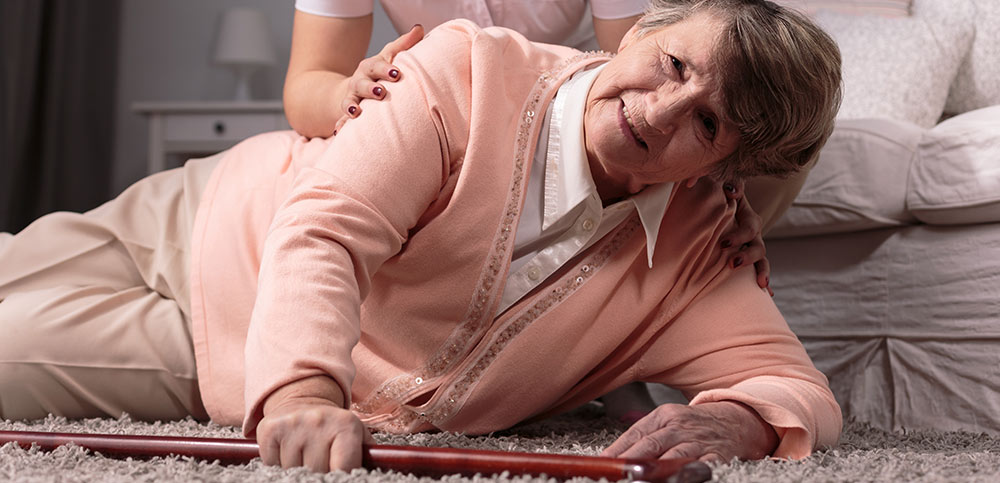
For seniors, one of the biggest dangers in daily life is simple: falling.
While falling may sound like it’s no big deal, it can be disastrous or even deadly for seniors.
Today, 1 out of every four seniors falls at least once a year, but few tell their doctors or loved ones. It gets even worse than that, though.
Each year, 2.8 million people over the age of 65 are treated in emergency rooms around the country for injuries stemming from falls and more than 800,000 seniors are hospitalized each year because of a fall-related injury. Falls currently rank as the leading cause of traumatic brain injuries (TBIs) in older adults and cost upward of $31 billion annually.
These are shocking statistics, and they make it clear that falling is a dangerous reality that affects thousands of seniors in the place they should be the safest: their own homes.
Luckily, there are proactive steps seniors, caregivers, and family members can take to prevent falls, and address them properly if they do happen.
Read on and learn some proven methods to ensure fall prevention.
12 Simple Ways to Prevent Falls in Seniors
Fall prevention is simple, and it can go a long way toward protecting the health and well-being of seniors everywhere. Get started with these 12 easy steps:
1. Make a doctor’s appointment
While falling has many causes, ranging from loss of balance and vision to weakness, falling can also be caused by medications, especially sedatives or antidepressants. With this in mind, the first step to preventing falls is to see your doctor about the medications you’re taking and the potential side effects of each drug.
In many cases, the doctor will be able to prescribe a medication with a lower fall risk or one that is less likely to interact with the other medications you currently take.
2. Get active on a daily basis
Balance and strength are both a “use it or lose it” thing, and seniors who give up physical activity often don’t have the stability or muscle definition to keep themselves from falling. Unfortunately, many seniors assume that staying active is impossible as an older person, and they give up things like walking, running, or yoga because of it.
Luckily, the activity you choose doesn’t have to be high-impact to unleash its benefits. Tai chi is a great option for activity, as is swimming. In fact, it doesn’t matter what you do, just so long as you do something every day to improve your coordination, strength, balance, and flexibility.
3. Wear sturdy, balanced footwear daily
Certain types of shoes, like flimsy flip-flops or high heels, increase the risk of falling. With this in mind, ensure that the shoes you choose to wear are going to help your balance rather than harm it. For the best possible stability, choose sturdy, well-fitted shoes with non-skid soles.
4. Remove tripping hazards from your home
Sometimes, things in the home can increase the risk of falling and injuring yourself. Things like extension cords, plant stands, and loose rugs can trip you when you least expect it, while spilled liquids can create a dangerous situation.
With this in mind, remove tripping hazards from your home and remain vigilant about identifying and removing things that increase your fall risk in the future.
5. Keep your living space light and bright
Most of us have had the experience of stubbing our toe while getting out of bed in the dark, and it turns out that a dark or dimly lit environment can create a fall hazard for seniors, as well. Because of this, it’s critical to keep all living spaces well-lit. This allows you to spot fall hazards before they trip you up.
For some simple fixes around your home, add a nightlight to bedrooms and other key areas, and add lamps to dark or dim corners of the home.
6. Eat a healthy, well-rounded diet
Diet affects virtually everything we do, and getting around is no different. To ensure that you’re as healthy and balanced as possible, be sure that your diet contains adequate levels of nutrients.
While this may seem unrelated to falling, people who eat healthy diets are stronger and more able to complete everyday activities.
7. Stay hydrated
Dehydration can cause dizziness and fatigue, both of which increase your fall risk. With this in mind, ensure that you’re drinking adequate water every day, and pay attention to your hydration levels and how you’re feeling.
If you notice you’re thirsty, drink up! It will help you stay healthier, and decrease your fall risk, as well.
8. Consider using an assistive device
If you’re recovering from an injury, struggling with balance, or simply not as strong as you once were, an assistive device like a walker or a cane can work wonders in helping you get around. In addition to helping you balance, these simple tools can also help you navigate uneven terrain safely.
9. Install railings around the home
In areas where falls are common, like stairs and bathrooms, it’s smart to install railings to help you keep or regain your balance. These railings are especially useful in unideal circumstances, such as when the bathroom floor is wet, or the exterior steps are coated in ice.
10. Keep ice and snow at bay
Winter creates an environment that’s ripe for falls. Between the ice and the snow of the colder months, there are dozens of dangers that face seniors during the chilliest days of the year. To keep these things at bay, ensure that you’re taking proactive steps, like sprinkling de-icer on dangerous patches and keeping all walks clear of snow.
11. Always tie your shoelaces
While it sounds simple, one common cause of household falls is untied shoes. It doesn’t matter if you’re just walking to the dresser or the mailbox – you should always tie your shoelaces. A simple way to prevent falls, this tiny step can help you stay safe and upright.
12. Arrange the home to allow a clear pathway for movement
You’re more likely to fall if you’re navigating around furniture and accessories in the home, so it’s in your best interest to remove these things to create clear, uncluttered pathways.
What to do if you Fall
Even if you take all of the above steps, it’s impossible to guarantee that you won’t ever fall. With that in mind, here are some steps you should take if you do happen to suffer a fall:
-
Get up properly
If you fall, get up the right way by lying on your side, bending your top leg, and propping yourself up on an elbow. From there, use your upper body to pull yourself to the closest sturdy object (a dining table or banister, for example) and use this to help pull yourself up. Stand slowly, turn and sit down, and take a moment to rest before you stand up again.
-
Call for help
If you fall and you cannot get up, call for help. If you can reach a phone, dial 9-1-1. If you cannot reach a phone, call for help verbally, or make noise to attract a passerby’s attention.
-
See a doctor
Any time you fall, you should see a doctor. Even if the fall seemed minor, complications like fractures can fly under the radar for quite some time, and it’s important to consult your healthcare professional to make sure everything is okay.
While falling is a scary prospect, these 12 preventative steps can help you avoid it as much as possible, to stay healthy, safe, and strong throughout your senior years.




 While home care can certainly be helpful for terminally ill people, not all home care recipients are very ill. In fact, there are two very distinct types of home care services: medical and non-medical care. Medical care is often utilized by people who are recovering from an illness or injury or for people who need help coping with chronic conditions.
 For families that have never utilized home care, the thought can be intimidating. Many people believe that hiring an in-home care aide will be far too expensive, but fortunately they’re wrong! According to a 2010 survey conducted by the
  Any reputable in-home care service provider will do its absolute best to match seniors to caregivers who display similar interests and personalities. Additionally, most caregivers are required to pass measures like background and competency tests before interacting with clients. This helps ensure that the senior is matched with a quality caregiver that can meet the senior’s needs while also being trustworthy and reliable.
 Hiring an in-home care aide doesn’t mean sacrificing your independence! In fact, in many cases, the introduction of an in-home care aide can actually help an individual maintain independence. By handling things that may be difficult, like cooking and cleaning, an in-home care aide can help make daily life easier and support the senior’s efforts to live independently for as long as possible.
 Think again! While many seniors worry that hiring an in-home caregiver means having a watchful and disproving attendant around at all times, this couldn’t be further from the truth. In many cases, seniors form strong bonds with their in-home caregivers, which creates an environment of fun and closeness every time the caregiver visits.
 If you only need help conducting your shopping, but you can manage your housework and personal care just fine, don’t write off home care just yet. Home care is a widely varied market and there are professionals available to help you, regardless of what your needs may be. Whether you need an hour or 40 hours of help each week, you can find a caregiver that will provide this for you.
 As you age and your needs become more pronounced, the burden on friends and family can quickly become overwhelming. Hiring an in-home caregiver can allow your family and friends to participate in your care without stretching themselves too thin. The introduction of an in-home care aide ensures quality care, relief for family and friends, and a balanced care plan for everyone involved.
 Just like home care isn’t only for people with limiting illnesses or disabilities, it’s not only for seniors. Home care is often utilized by parents with newborns or people recovering from surgical procedures. Home health care can be individualized to fit your unique needs, so you’ll always have access to a provider that can give you exactly what you need for your unique situation.
 While we certainly don’t recommend undergoing surgery at home, home care aides are trained professionals. If you require in-home medical care, you’ll be matched with a medical caregiver who can help administer a plan of care that is safe and medically sound.
 Again, home care is highly individualized. This means that clients who need high levels of home care can find providers to offer it while those who need lower levels of home care will be matched accordingly. Home care agencies often put together 24/7 care teams and can work with you to ensure that you get exactly the services you need.
 For seniors or other individuals with long-term care needs, home care can be a fantastic option. By matching the individual in need with a qualified individual or team of in-home caregivers, it’s easy for in-home care to accommodate long-term care needs.
 Just like all things, it’s possible that finding an ideal in-home caregiver may take some experimentation, but you as the client always have the final say. If you find that a caregiver and you don’t get along well, that you don’t trust or feel comfortable with the caregiver, or that the caregiver isn’t meeting your needs, you always have the option to replace the caregiver with one who works better. This ensures that you always find a great in-home care match and that you’re satisfied with your in-home services.
 While an in-home caregiver can certainly provide a much-needed break for friends and family, it’s untrue that the presence of in-home care will replace the importance of friends and family. An in-home caregiver can supplement the care your friends and family provide, while at the same time deferring to the care preferences that you and your family agree upon.
 In-home caregivers are ideal for providing an extra set of hands and some medical expertise. Aside from that, however, they don’t dominate the in-home care situation. Depending upon the need of the client, an in-home caregiver will work with the client and his or her family to develop a care plan that meets the client’s needs while also working closely with the family and the client to ensure that the family feels involved to their desired level. This helps ensure an active role in the care of a loved one and prevents an in-home caregiver from providing more services than are needed or wanted.
 While it’s important to hire a reputable in-home caregiver from a reputable home care agency, most caregivers enter the business specifically because they care about clients and want to do everything in their power to serve them.