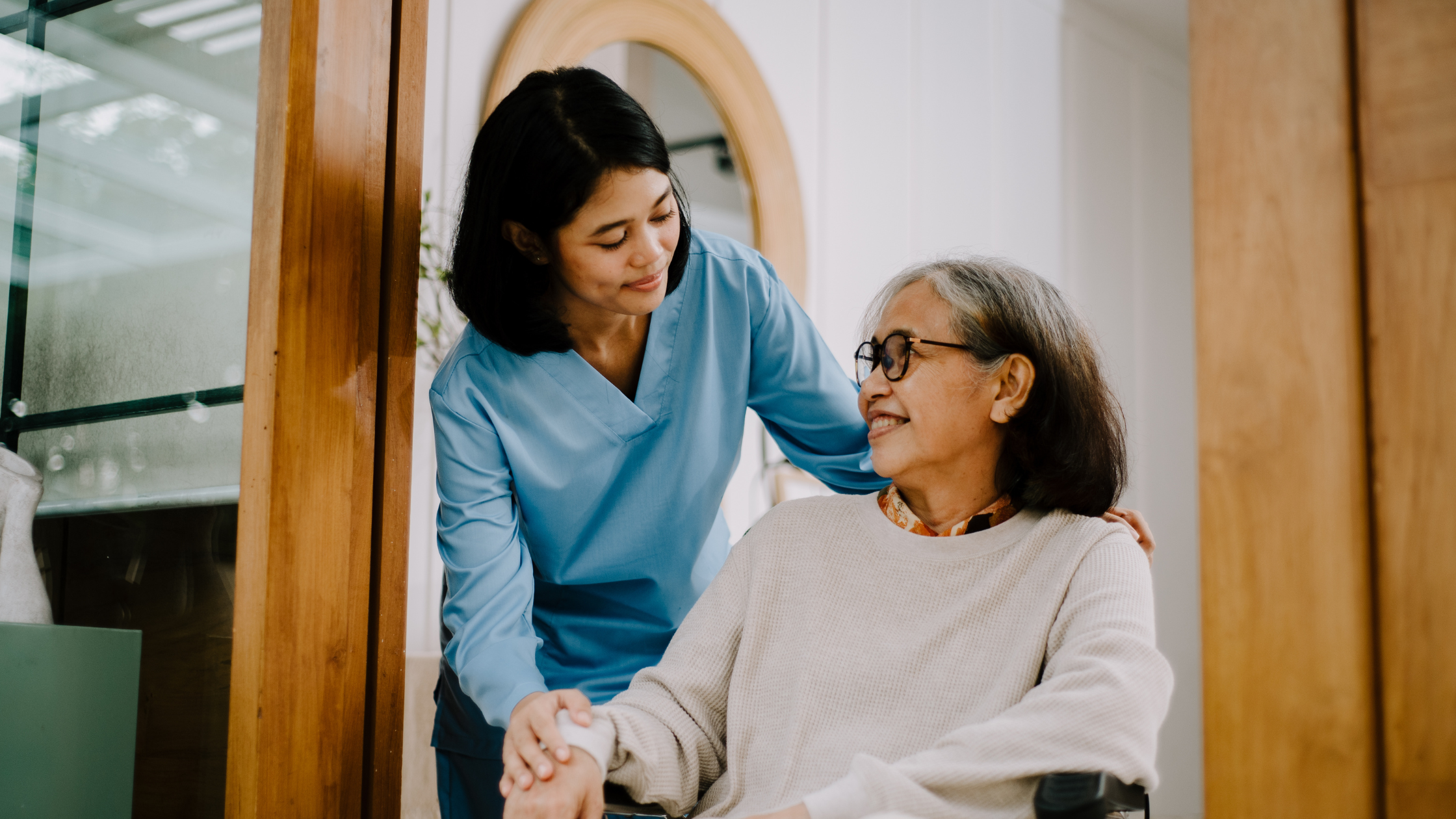
Navigating Homecare: A 2025 Guide to Choosing the Right Care

As our loved ones age, ensuring they receive the proper support and attention becomes a top priority. With over 11,400 home health agencies in the U.S., according to the CDC, the search for the right provider can feel daunting. This comprehensive homecare guide is here to simplify the process, offering practical tips to help you make informed decisions and highlighting how Community Home Health Care can be a trusted partner in meeting your family’s needs.

Why Homecare?

Homecare offers a personalized approach to senior care, allowing individuals to remain in the comfort of their own homes while receiving the assistance they need. From help with daily tasks to companionship and specialized medical care, homecare services can significantly enhance a senior’s quality of life.

Steps to Choosing the Right Homecare

  1. Assess Your Loved One’s Needs
    Start by evaluating the specific support your loved one requires. Consider factors like mobility, cognitive health, medical needs, and social interaction.
  2. Research Providers
    Look for licensed and reputable homecare agencies. Check reviews, ask for recommendations, and ensure the agency offers the services your loved one needs.
  3. Prioritize Personalized Care Plans
    Every individual is unique, so care plans should be tailored to reflect their needs, preferences, and routines.
  4. Understand the Costs
    Discuss pricing and payment options with potential providers. Some services may be covered by insurance or government programs, so inquire about financial assistance.

How Community Home Health Care Stands Out

At Community Home Health Care, we pride ourselves on delivering compassionate, high-quality care. Here’s how we can make a difference:

  • Tailored Care Plans: We design individualized plans to suit the specific needs of your loved one.
  • Trained Caregivers: Our caregivers are fully trained in order to deliver the best care possible to your loved one.
  • Comprehensive Services: From assistance with daily activities to skilled nursing, we cover a wide range of needs.
  • Flexibility and Availability: We’re here when you need us, whether it’s for short-term care or ongoing support.

Selecting the right homecare provider is a crucial decision that can greatly impact your loved one’s well-being. With this homecare guide, you’re equipped to make an informed choice. Community Home Health Care is here to support you every step of the way, providing exceptional care that puts your family’s needs first.

Contact us today to learn more about our services and how we can help your loved one thrive.

Fresh Starts: Healthy New Year Resolutions for Seniors

A new year is a time for fresh beginnings and setting intentions for the months ahead. For seniors, it’s an opportunity to focus on wellness while embracing positive changes with healthy resolutions. At Community Home Health Care, we believe that every stage of life is the perfect time to prioritize healthy habits and create routines that support physical, emotional, and mental well-being.

Here are some meaningful resolutions seniors can consider starting the year off on the right foot, along with tips to make those goals achievable and enjoyable.

Prioritize Physical Activity

Staying active is essential for seniors, as it supports them in maintaining strength, balance, and overall health. Regular exercise can improve mobility, boost mood, and reduce the risk of chronic conditions.

Get Started:

-Take daily walks around the neighborhood or at a local park.
-Join a senior-friendly yoga or tai chi class to enhance flexibility and balance.
-Try light resistance training to maintain muscle strength.
-Engage in enjoyable activities like dancing or gardening to make movement feel less like a chore.

Focus on Nutrition

Proper nutrition is the foundation of good health. As we age, dietary needs may shift, making it important to choose nutrient-rich foods that support overall wellness.

Healthy Eating Tips:

-Incorporate more fruits, vegetables, whole grains, and lean proteins into meals.
Stay hydrated by drinking plenty of water throughout the day.
-Limit processed foods and sugary snacks.
-Work with a caregiver or nutritionist to plan balanced, senior-friendly meals.

Connect with Others

Did you know that social isolation is detrimental to our health? This is especially true for seniors. According to the National Institute on Aging, 28% of older adults in the U.S. live alone, putting them at greater risk for loneliness and its negative effects on mental and physical health.

Ways to Foster Connection:

-Schedule regular phone or video calls with loved ones.
-Attend local senior centers or community events.
-Join clubs or hobby groups that align with personal interests.
-Spend quality time with a caregiver who provides companionship and emotional support.

Prioritize Mental Wellness

Mental health is just as important as physical health. Engaging the mind and managing stress can improve cognitive function and overall happiness.

Healthy Mental Habits:

-Practice mindfulness or meditation to reduce anxiety.
-Keep the brain sharp by reading, doing puzzles, or learning new skills.
-Maintain a consistent sleep schedule to ensure restorative rest.
-Seek support for emotional challenges through counseling or support groups.

Regular Health Checkups

Preventive care is key to catching potential health issues early. A new year is the perfect time to schedule necessary appointments and screenings.

What to Prioritize:

-Annual physical exams and routine screenings.
-Vision, hearing, and dental checkups.
-Reviewing medications with a healthcare provider.
-Staying current on vaccinations, including flu and pneumonia shots.

Start the Year with Community Home Health Care

As we welcome the new year, it’s a time to focus on growth, wellness, and positive change. At Community Home Health Care, we’re committed to empowering seniors to achieve their goals and live life to the fullest.

If you or a loved one are considering additional support, contact us today to learn more about how our customized care can make 2025 your best year yet.

Seasonal Wellness: Boosting Immunity for Seniors

As the seasons shift and temperatures drop, it’s time to focus on boosting immunity for seniors. This time of year comes with a higher risk of illness, particularly colds, flu, and other respiratory infections that can be more dangerous for older adults. For seniors, whose immune systems naturally weaken with age, maintaining good health during these months becomes even more critical.

At Community Home Health Care, we understand the importance of proactive health measures to help seniors stay strong and healthy throughout the season. Let’s explore ways to boost immunity and keep seniors feeling their best as the weather changes.

Why Immunity Weakens with Age

As we age, the immune system becomes less efficient at fighting off infections. This means that seniors are more vulnerable to viruses and bacteria, making it harder for them to recover from illness. Factors such as chronic conditions, poor nutrition, or a sedentary lifestyle can further weaken immunity. However, with the right habits, it’s possible to strengthen the immune system and minimize the risk of illness.

Key Ways to Boost Immunity for Seniors

Maintaining a strong immune system requires a comprehensive approach. Here are some effective strategies to help seniors stay healthy as the weather gets colder:

Prioritize Nutrient-Rich Foods

Eating a balanced diet filled with vitamins and minerals is essential to supporting the immune system. Certain nutrients, such as vitamins C and D, zinc, and antioxidants, play a crucial role in boosting immunity and protecting the body from illness.

Stay Hydrated

While it may seem like something to focus on during warmer months, hydration is just as important in colder weather. Seniors can become dehydrated more easily due to reduced thirst, which can weaken their immune response. Drinking water regularly and consuming hydrating foods like soups, broths, and water-rich fruits and vegetables can help keep the body functioning properly.

Get Regular Exercise

Physical activity plays a vital role in supporting immune health. Exercise helps improve circulation, allowing immune cells to move through the body more efficiently and fight off infections. For seniors, regular movement, even in the form of light exercise like walking or stretching, can help boost immunity, improve strength, and enhance overall well-being.

Prioritize Sleep and Rest

A good night’s sleep is one of the best ways to support the immune system. Sleep allows the body to repair and recharge, making it more capable of fighting off infections. Aim for 7-9 hours of sleep each night to help seniors stay healthy and energized. Creating a consistent bedtime routine, reducing screen time before bed, and ensuring a comfortable sleep environment can all contribute to better rest.

Manage Stress

Chronic stress can weaken the immune system, making it harder for the body to fight off illness. Helping seniors manage stress through relaxation techniques, social engagement, and even hobbies can have a significant positive impact on their immune health. Our caregivers at Community Home Health Care can provide companionship and emotional support, reducing feelings of isolation and helping seniors maintain a positive outlook.

Stay Up to Date with Vaccinations

The flu vaccine and other preventive shots are essential for seniors, especially during colder months. Getting vaccinated can reduce the risk of serious illness and complications. It’s also important for seniors to consult their doctors about other vaccines, such as pneumonia and shingles, to stay protected throughout the year.

By taking proactive steps to boost immunity for seniors, they can enjoy a healthier, more active fall and winter season. Our caregivers are here to ensure that your loved ones receive the personalized care they need to thrive, no matter the weather.

If you or a loved one need assistance with daily care or want to learn more about how we can help, contact Community Home Health Care today. We’re here to support your family’s wellness throughout every season.

Emotional Wellness Matters: Comprehensive Support in Homecare

When we think about homecare, we often focus on the physical aspects—assisting with daily activities, managing medications, or providing physical therapy. While these elements are undeniably vital, emotional wellness is equally important in the overall health of seniors. At Community Home Healthcare, we believe that nurturing seniors’ emotional wellness is a crucial component of homecare that deserves attention and support.

The Importance of Emotional Wellness for Seniors

As we age, the emotional landscape can change significantly. According to the World Health Organization, approximately 14% of adults aged 60 and older live with a mental health condition, with depression and anxiety being among the most common concerns. Alarmingly, older adults account for more than a quarter of global suicide deaths. Yet, mental health issues in this age group are often underrecognized and undertreated, underscoring the need for greater awareness and support. Seniors may face various challenges that can impact their mental health, including:

  • Isolation and Loneliness: Many seniors experience feelings of isolation due to physical limitations, loss of loved ones, or changes in their living situations. Loneliness can lead to depression and anxiety, affecting their overall well-being.
  • Loss of Independence: Aging often comes with the realization that certain tasks may become challenging or impossible to manage alone. This loss of independence can lead to feelings of frustration, sadness, and helplessness.
  • Health Concerns: Chronic illnesses, mobility issues, or cognitive decline can cause emotional distress. Managing health conditions can be overwhelming and may lead to feelings of fear or uncertainty about the future.
  • Life Transitions: Major life changes, such as moving to a new home or dealing with the death of a partner, can significantly impact emotional health.

The Role Of Homecare in Senior Emotional Wellness

At Community Home Healthcare, we understand that physical and emotional health are interconnected. Our services offer significant emotional benefits that can greatly enhance a senior’s quality of life.

  • Homecare services can alleviate feelings of loneliness. Having a regularly caregiver provides consistent companionship, helping seniors feel less isolated and more connected to others.
  • With personalized caregiving services, seniors can maintain their independence while remaining in their homes. Receiving support in a familiar environment not only helps them stay safe but also reinforces their sense of autonomy, allowing them to continue life on their own terms.
  • Caregivers can facilitate enjoyable activities and hobbies, bringing joy and mental stimulation to daily life and enhancing overall emotional wellness. Participating in activities like arts and crafts or physical activity are proven to improve mental health in seniors.
  • Knowing that someone is there to provide both physical and emotional support can bring comfort and peace of mind. This reassurance can alleviate feelings of anxiety and uncertainty in seniors and their families alike.

How You Can Support Your Senior Loved One’s Emotional Health

While caregivers play a crucial role in nurturing emotional wellness, family caregivers also have an important part to play. Here are some ways families can support their loved ones emotionally:

  • Regular Check-Ins: Make it a habit to check in on your loved one regularly, whether in person or through calls. Showing that you care can make a big difference in their emotional well-being.
  • Encourage Independence: Allow your loved one to make choices about their daily routine, meals, and activities. Empowering them to maintain control over their lives fosters a sense of independence and self-worth.
  • Be Present: Spend quality time with your loved one. Engage in conversations, share stories, and enjoy activities together. Your presence and attention can provide comfort and joy.
  • Promote Community Engagement: Encourage your loved one to participate in community events or local senior programs. Engaging with others can help reduce feelings of isolation and improve emotional health.

Emotional wellness is a vital aspect of senior care that often goes unnoticed. At Community Home Healthcare, we recognize the importance of nurturing emotional health alongside physical well-being. By providing companionship, promoting activities, and facilitating connections, our caregivers help seniors live happier, more fulfilling lives at home.

If you or a loved one could benefit from personalized home care that prioritizes emotional wellness, reach out to us today. Together, we can ensure that your loved one receives the comprehensive support they need to thrive in their golden years.

Healthy Bones, Happy Aging: Osteoporosis Prevention for Seniors

Maintaining strong, healthy bones becomes increasingly important for overall well-being as we age. With Osteoporosis being a significant concern for many seniors, we must start taking care of our bone health today. Let’s look at the importance of senior bone health, the risk factors of osteoporosis, and practical tips for preventing this condition to ensure happy, healthy aging.

Understanding Osteoporosis For Seniors

Osteoporosis is a condition that affects about 54 million people in the United States. It is characterized by a decrease in bone density, leading to fragile bones that are more prone to fractures. It often develops silently over the years, with many people not realizing they have it until they experience a fracture from a minor fall or even a simple movement. This condition is most common in older adults, particularly postmenopausal women, but it can affect senior men as well.

Why Senior Bone Health Matters

Strong bones are essential for supporting the body’s structure, protecting vital organs, and enabling movement. As we age, the natural process of bone regeneration slows down, and bone loss can outpace the formation of new bone, increasing the risk of fractures, which can significantly impact a senior’s quality of life. Fractures, particularly hip fractures, can lead to long recovery times, reduced mobility, and in some cases, a loss of independence.

Tips for Preventing Osteoporosis

Incorporate Bone-Healthy Nutrients: Proper nutrition for seniors is vital to overall health and can be tailored to address specific health concerns, like bone health! Calcium is a building block of bone tissue, and vitamin D helps the body absorb calcium. Incorporate calcium-rich foods like dairy products, leafy green vegetables, and fortified foods into your diet. Spend time outdoors to boost vitamin D levels, or you may want to consult a doctor about taking a supplement. Besides calcium and vitamin D, other nutrients like magnesium, vitamin K, and protein play a role in bone health.

Engage in Weight-Bearing Exercises: Senior friendly activities like walking, jogging, dancing, and resistance training are excellent for maintaining bone density. Even low-impact exercises like tai chi and yoga can improve balance and reduce the risk of falls.

Monitor Bone Health: Regular bone density tests, especially for those at higher risk, can help detect osteoporosis early and guide treatment decisions.

Prevent Falls: Since falls are a common cause of fractures, take steps to create a safe home environment. Ensure that your living space is free of tripping hazards, install grab bars in key areas, and use non-slip mats in the bathroom.

How Community Home Healthcare Can Help

At Community Home Healthcare, we understand the importance of maintaining strong bones for healthy aging. Our caregivers can assist with:

Nutritional Support: Ensuring your loved one gets the right nutrients through a balanced diet rich in calcium, vitamin D, and other bone-healthy nutrients.

Fall Prevention: Creating a safe home environment by identifying and addressing potential fall hazards and providing support during daily activities.

Medication Management: Assisting with medication schedules and ensuring that any treatments for bone health are followed correctly.

By taking proactive steps to protect bone health, seniors can enjoy a life of vitality, mobility, and independence. At Community Home Healthcare, we are here to support your loved ones in leading healthy, active lives. Contact us today to learn more about how we can help with osteoporosis prevention and overall senior care.

Summer Nutrition: Fresh and Healthy Meal Ideas For Seniors

As the summer season continues to unfold, we’re continuing to focus on keeping our senior loved ones safe and healthy. While we’ve discussed the importance of hydration for seniors, proper nutrition is equally essential. At Community Home Healthcare, we recognize the vital role that a balanced diet plays in the well-being of our clients.

Nutrition for Seniors: Why It’s Important

As we age, our bodies undergo various changes that affect our nutritional needs. Older adults often experience a decrease in appetite, changes in taste and smell, and may have difficulty chewing or swallowing. Additionally, certain medical conditions and medications can impact nutrient absorption. This is why proper nutrition is essential for maintaining health and independence in seniors.

Older adults are recommended to focus on a diet that will help reduce the risk of high blood pressure, diabetes, hypertension, and heart disease. Steer clear of added sugar, saturated fats, and sodium and focus on foods that contain enough protein, potassium, calcium, vitamin D, dietary fiber, and vitamin B12.

A balanced diet can boost the immune system, support bone health, manage chronic conditions, enhance cognitive function, and promote overall well-being. By prioritizing nutrition, seniors can enjoy a higher quality of life.

Additionally, did you know that seniors aged 65 and older are more prone to foodborne diseases? According to the CDC, 1 in 6 Americans suffer from foodborne illnesses, resulting in 128,000 hospitalizations and 3,000 deaths, the highest percentage of those being older adults. Senior citizens are especially vulnerable to infections caused by Listeria, Salmonella, E coli, and Vibrio. This is another important aspect to consider when focusing on nutrition for older adults. For more information and safety tips on that, check out foodsafety.gov

Three Easy and Healthy Meal Ideas

senior nutrition breakfast ideas

Breakfast: Greek yogurt is a great source of protein, as well as calcium and B12. Top this with a high-fiber granola and fruits like strawberries, blueberries, and bananas. Finish it off with a drizzle of honey for flavor, or agave for a low-sugar option.

senior nutrition lunch ideas

Lunch: You can’t go wrong with a sandwich for lunch! Not only is it easy and delicious, but it is highly customizable. Choose a whole-grain bread that is high in fiber. For protein, try grilled chicken or tuna. This is also a perfect opportunity to mix in some healthy produce like avocado, tomatoes, spinach, onions, peppers, and more. Condiments can add calories quickly, but options like mustard or low-fat mayonnaise are great.

senior nutrition dinner ideas

Dinner: Fish is an excellent low-fat, nutrient-rich protein source for seniors. Start with salmon or tilapia and prepare it alongside some sauteed high-fiber vegetables or a fresh salad. Since older adults often have a diminished sense of taste, adding flavorful seasonings will make the dish more enjoyable to eat.

Supporting Senior Nutrition with Caregivers

Preparing nutritious meals can be challenging for seniors, especially those with mobility issues or health conditions. Hiring a caregiver from Community Home Healthcare can make a significant difference in ensuring your loved one receives proper nutrition.

Our caregivers assist with meal planning and preparation, monitoring nutritional intake, and encouraging healthy eating habits.

For more information on how our caregivers can assist with meal prepping and overall care, contact Community Home Healthcare today. Let us help your loved ones maintain a healthy, enjoyable lifestyle this summer and beyond.

UV Safety Month: Sun Safety for Seniors

Sun safety is crucial for seniors and UV Safety Month is here to remind us of the importance of protecting ourselves from the sun’s harmful rays. At Community Home Healthcare, our goal is to prioritize the health and wellness of your loved ones, whether it’s ensuring they can safely enjoy a sunny summer day or providing them with quality at-home care.

Join us as we explore the dangers of sun exposure for seniors, why it’s essential to be cautious, and some practical ways to practice sun safety.

The Dangers Of Sun Exposure

Increased Risk of Skin Cancer

Did you know that seniors are more susceptible to skin cancer? This is due to cumulative sun exposure over their lifetime. As we age, our skin becomes thinner and less resilient, making it more vulnerable to UV damage as well.

Dehydration and Heat Stroke

Older adults have a decreased ability to regulate body temperature, making them more prone to heat-related illnesses like dehydration, heat exhaustion, and heat stroke.

Exacerbation of Existing Health Conditions

Many seniors have chronic health conditions such as heart disease, diabetes, or respiratory issues. Excessive heat and sun exposure can exacerbate these conditions, leading to complications.

Vision Problems

UV rays are harmful to our eyes, leading to conditions like cataracts and macular degeneration. Seniors are already at a higher risk for these eye issues, and prolonged exposure to the sun without adequate protection can accelerate their progression.

Tips on Sun Safety for Seniors

Protective Clothing

Encourage seniors to wear lightweight, long-sleeved shirts and pants made of breathable fabric. Wide-brimmed hats and sunglasses with UV protection are also essential to shield the face and eyes from harmful rays.

Sunscreen

Sunscreen helps prevent sunburn and reduces the risk of skin cancer. Apply a broad-spectrum sunscreen with at least SPF 30 on all exposed skin, and reapply every two hours, or more frequently if sweating or swimming.

Stay Hydrated

Hydration is essential in senior care. Ensure seniors drink plenty of water throughout the day, even if they don’t feel thirsty. Avoiding caffeine and alcohol, which can dehydrate the body, is also beneficial.

Seek Shade & Plan Activities Wisely

Encourage seniors to stay in the shade, especially during peak sun hours from 10 AM to 4 PM. Creating shaded areas in the yard or planning fun indoor activities during these times can significantly reduce sun exposure.

Monitor Medications

Did you know that some medications can increase sensitivity to the sun? Review medications with a healthcare provider to understand any potential side effects and take necessary precautions.

Community Home Healthcare: Your Partner in Senior Sun Safety

At Community Home Healthcare, we understand the unique challenges seniors face on a day-to-day basis, and our dedicated caregivers are trained to be aware of such challenges. By providing personalized care plans, we ensure that seniors stay safe, healthy, and comfortable through any season.

Our caregivers can assist with:

  • Applying sunscreen
  • Encouraging hydration
  • Supervising safe outdoor activities
  • Monitoring for signs of dehydration or heat exhaustion
  • Ensuring seniors are dressed appropriately for the weather

With Community Home Healthcare, you can have peace of mind knowing that your loved ones are in good hands. We are committed to providing comprehensive, compassionate care that prioritizes their safety and well-being.

For more information on how we can support your family, contact Community Home Healthcare today. Let’s work together to keep our seniors safe and healthy this UV Safety Month and beyond.

Hydration Matters: The Importance of Hydrating in Senior Care

Hydration is always important, but as we age, it becomes increasingly crucial for our health and well-being. Dehydration is a common but often overlooked issue among seniors, and its consequences can be severe. At Community Home Healthcare, we understand the critical role hydration plays in senior care and strive to ensure that your loved ones remain healthy and comfortable. Let’s explore why hydration matters and how professional at-home care can help:

Why Hydration is Essential for Seniors

1. Preventing Health Issues

Dehydration can lead to urinary tract infections, kidney stones, and even kidney failure. Additionally, it can exacerbate conditions such as diabetes and heart disease, making it harder for seniors to manage their health effectively.

2. Supporting Cognitive Function

Dehydration can significantly impact cognitive function, leading to confusion, memory problems, and difficulty concentrating. For seniors, these symptoms can be mistaken for more serious conditions like dementia. Ensuring proper hydration helps maintain mental clarity and overall cognitive health.

3. Maintaining Physical Health

Proper hydration helps keep muscles and joints lubricated, supporting overall mobility and reducing the risk of injury. Dehydration can cause muscle cramps, weakness, and dizziness, increasing the risk of falls, which is a major concern for seniors.

4. Aiding Digestion

Water is essential for healthy digestion. It helps prevent constipation, a common issue among seniors, by keeping the digestive system functioning smoothly. Adequate hydration also aids in the absorption of essential nutrients, ensuring that seniors get the most out of their meals.

Challenges in Maintaining Hydration for Seniors

Despite its importance, maintaining hydration can be challenging for seniors due to several factors:

Decreased Sensation of Thirst: As people age, their sensation of thirst diminishes, making it harder for them to recognize when they need to drink water.

Medication Side Effects: Many medications commonly prescribed to seniors can have diuretic effects, increasing the risk of dehydration.

Mobility Issues: Physical limitations can make it difficult for seniors to access water regularly.

Cognitive Decline: Memory issues may cause seniors to forget to drink water throughout the day.

Peace of Mind with Community Home Healthcare

At Community Home Healthcare, we recognize these challenges and offer tailored solutions to ensure your loved ones stay hydrated. Our trained caregivers are there to regularly provide gentle reminders to hydrate, make water easily accessible, and are aware of the conditions and medications that may make their clients more prone to dehydration.

Hydration is a simple yet critical aspect of senior care that can significantly impact overall health and quality of life. With Community Home Healthcare, you can rest assured that your loved ones are receiving the attention they need to stay healthy and hydrated. By entrusting their care to our compassionate professionals, you can take the worry of hydration off your list of tasks and focus on spending quality time with your senior loved ones.

For more information about our services and how we can support your family, contact Community Home Healthcare today. Together, we can make a difference in the lives of those you cherish most.

Stroke Awareness Month: Preventative Measures and Post-Stroke Care

A Guide to Compassionate Care for Stroke Survivors

With May being National Stroke Awareness Month, it’s the perfect time to raise awareness about the signs, risks, and post-stroke care. As a leading provider of homecare services, Community Home Healthcare is committed to educating our community on what they need to know about strokes and offering support for those recovering.

The truth is, every 40 seconds, someone in the United States has a stroke. Strokes are the leading cause of long-term disability and fifth leading cause of death in the country. However, with the right post-stroke care, individuals can recover and lead fulfilling lives in the comfort of home.

Stroke Risk Factors

Understanding the risk factors and taking preventative measures is key to reducing the likelihood of experiencing a stroke. Factors such as high blood pressure, smoking, diabetes, and obesity can increase the risk of stroke. Individuals can lower their risk of stroke by adopting a healthy lifestyle that includes regular exercise, a balanced diet, and avoiding tobacco use.

Warning Signs

Recognizing the signs of a stroke is critical for timely medical intervention and potentially saving a life. Remember the acronym FAST: Face drooping, Arm weakness, Speech difficulty, Time to call 911. Being vigilant for these symptoms and acting quickly can make all the difference. Don’t hesitate to call emergency assistance immediately!

Post-Stroke Care at Home

For those who have experienced a stroke, the road to recovery can be challenging. Many individuals require ongoing care and support to regain their independence and quality of life. Community Home Healthcare offers services that can make a difference in the lives of those recovering from a stroke.

Our Home Health Aides are dedicated to helping clients achieve their recovery goals with post-stroke care. Receive assistance with activities of daily living, from bathing, dressing, and meal preparation to medication management and mobility assistance,

If you or a loved one requires post-stroke care, consider enlisting the support of in-home care from Community Home Healthcare. With our personalized care and unwavering dedication, we can help you navigate the road to recovery with confidence and peace of mind.

Don’t let stroke hold you back—take proactive steps towards recovery with Community Home Healthcare by your side. Contact us today to learn more about our post-stroke care services and how we can support your journey to wellness.

Motherhood and Caregiving: Balancing the Roles

As Mother’s Day approaches, we celebrate the remarkable mothers who are balancing the roles of both motherhood and caregiving. Being a part of the Sandwich Generation presents a set of challenges that require careful consideration and proactive solutions.

The Challenges of the Sandwich Generation

Juggling Responsibilities: Sandwich Caregivers often find themselves juggling the demands of their own families, careers, and caregiving duties simultaneously, leading to feelings of overwhelm and stress.

Emotional Strain: Balancing the needs of both children and aging parents can take a toll on mental and emotional well-being, leading to increased anxiety and guilt.

Time Constraints: With limited time and resources, Sandwich Caregivers may struggle to find time for self-care and personal pursuits. This can lead to feelings of burnout and exhaustion.

Strategies for Balancing Motherhood and Caregiving

Prioritize Self-Care: Recognize the importance of self-care for caregivers and make time for activities that nourish your mind, body, and spirit.

Establish Boundaries: Set clear boundaries with both your family and your caregiving responsibilities to prevent feelings of overwhelm and burnout.

Seek Support: Don’t hesitate to reach out for support from friends, family members, or support groups who understand the unique challenges of being a Sandwich Caregiver.

How Community Home Healthcare Can Help

Affordable Pricing: We believe that nothing should stand in the way of getting quality home care. That’s why we offer a variety of payment options, including Medicaid, Managed Long Term Care (MLTC), Private Pay, and Long Term Home Health Care Programs. Whatever your financial situation, we have a solution that works for you.

Personalized Care Plans: Our team works closely with our clients to develop individualized care plans that meet their unique needs. Does your loved one need help with household chores? Getting around the home safely? Medication reminders? Companionship? Our caregivers have you covered.

Compassionate Caregivers: Our team of compassionate caregivers is trained to provide exceptional care with empathy and compassion, allowing Sandwich Caregivers to focus on their families and themselves with peace of mind.

Balancing motherhood and caregiving as a Sandwich Caregiver is undoubtedly challenging, but it’s not impossible. With the support of Community Home Health Care, you can find peace of mind knowing that your aging loved ones are in good hands. Get in touch with us to learn more.

Happy Mother’s Day to all the incredible mothers out there! Whether you’re receiving care or giving care, we appreciate and admire you for all that you do.