Making The Season Bright: Holiday Caregiving Tips

The holiday season is a time for joy, togetherness, and celebration. However, for family caregivers, it can also bring unique challenges, especially when caring for a senior loved one. Whether they’re living with dementia, facing mobility restrictions, managing chronic illnesses, or simply navigating the aging process, careful planning can make the holidays enjoyable and stress-free for everyone involved. At Community Home Health Care, we understand the dedication and love it takes to care for aging family members. Here are some practical holiday caregiving tips to help you handle the season with grace and create lasting memories with your senior loved one.

Navigating the Holidays with Dementia

For seniors with dementia, the disruption that the holidays tend to bring can sometimes feel overwhelming. Familiar routines are disrupted, and an abundance of new faces and sounds may lead to confusion or agitation.

Here’s how to make the season more comfortable:

  • Maintain routines: Keep meals, sleep schedules, and daily activities as close to normal as possible.
  • Simplify celebrations: Opt for smaller, quieter gatherings instead of large parties.
  • Engage their senses: Play familiar holiday music, display cherished decorations and photos, or bake treats that bring back warm memories.
  • Be patient and flexible: Understand that your loved one may not react as expected, and that’s okay. Focus on creating a calm, supportive environment while managing expectations.

Supporting Seniors with Mobility Restrictions

For those with mobility challenges, ensuring accessibility and comfort is key. Holiday activities should be inclusive, with accommodations for physical limitations.

Consider the following:

  • Plan accessible activities: Look for events that can be enjoyed from a seated position, such as crafting, watching holiday movies, or decorating cookies.
  • Rearrange spaces: Clear walkways and create space for mobility aids like wheelchairs or walkers.
  • Avoid long trips: Minimize travel time or arrange for short, frequent breaks during outings.

Caring for Those with Chronic Illnesses

Seniors with chronic conditions may require additional care during the holidays. Changes in diet, stress, or schedule can exacerbate symptoms.

Tips to ensure their well-being:

  • Stick to dietary needs: If your loved one has dietary restrictions, plan meals that accommodate their health requirements while offering festive options.
  • Manage medications: Keep track of medication schedules and ensure there’s enough supply for the holiday period.
  • Monitor energy levels: Encourage rest and avoid overexertion by limiting the number of events they attend.
  • Have a plan for emergencies: Know the location of the nearest urgent care facility and have essential contact information readily available.

General Tips for Elderly Loved Ones

Even seniors without specific health challenges can benefit from thoughtful holiday planning. Here’s how you can make the season more enjoyable:

  • Encourage participation: Give your loved one a role in holiday preparations, such as wrapping gifts, setting the table, or sharing family stories.
  • Keep gatherings senior-friendly: Avoid overly loud or crowded events, and ensure your loved one has a comfortable place to sit and relax.
  • Be mindful of cold weather: If outings are planned, dress them warmly and ensure walkways are clear and safe.

How Community Home Healthcare Can Help

The holidays should be a time of joy, not stress. If you’re feeling overwhelmed, know that you don’t have to do it all alone. Community Home Health Care offers a variety of services designed to ease the caregiving load and ensure your loved one’s safety and happiness.

Our caregivers can help by:

  • Assisting with meal preparation for holiday dinners, ensuring dietary needs are met.
  • Providing companionship to reduce loneliness and bring extra cheer to the season.
  • Helping with mobility and personal care, so your loved one can fully participate in holiday traditions.
  • Offering respite care, giving you time to recharge and enjoy the festivities.

The holidays are about celebrating love and connection; with a little extra preparation, they can be a magical time for your senior loved one too. With these holiday caregiving tips, you’ll create a season filled with cherished memories for everyone.

If you need help caring for your loved one during the holidays or beyond, reach out to Community Home Health Care today.

Emotional Wellness Matters: Comprehensive Support in Homecare

When we think about homecare, we often focus on the physical aspects—assisting with daily activities, managing medications, or providing physical therapy. While these elements are undeniably vital, emotional wellness is equally important in the overall health of seniors. At Community Home Healthcare, we believe that nurturing seniors’ emotional wellness is a crucial component of homecare that deserves attention and support.

The Importance of Emotional Wellness for Seniors

As we age, the emotional landscape can change significantly. According to the World Health Organization, approximately 14% of adults aged 60 and older live with a mental health condition, with depression and anxiety being among the most common concerns. Alarmingly, older adults account for more than a quarter of global suicide deaths. Yet, mental health issues in this age group are often underrecognized and undertreated, underscoring the need for greater awareness and support. Seniors may face various challenges that can impact their mental health, including:

  • Isolation and Loneliness: Many seniors experience feelings of isolation due to physical limitations, loss of loved ones, or changes in their living situations. Loneliness can lead to depression and anxiety, affecting their overall well-being.
  • Loss of Independence: Aging often comes with the realization that certain tasks may become challenging or impossible to manage alone. This loss of independence can lead to feelings of frustration, sadness, and helplessness.
  • Health Concerns: Chronic illnesses, mobility issues, or cognitive decline can cause emotional distress. Managing health conditions can be overwhelming and may lead to feelings of fear or uncertainty about the future.
  • Life Transitions: Major life changes, such as moving to a new home or dealing with the death of a partner, can significantly impact emotional health.

The Role Of Homecare in Senior Emotional Wellness

At Community Home Healthcare, we understand that physical and emotional health are interconnected. Our services offer significant emotional benefits that can greatly enhance a senior’s quality of life.

  • Homecare services can alleviate feelings of loneliness. Having a regularly caregiver provides consistent companionship, helping seniors feel less isolated and more connected to others.
  • With personalized caregiving services, seniors can maintain their independence while remaining in their homes. Receiving support in a familiar environment not only helps them stay safe but also reinforces their sense of autonomy, allowing them to continue life on their own terms.
  • Caregivers can facilitate enjoyable activities and hobbies, bringing joy and mental stimulation to daily life and enhancing overall emotional wellness. Participating in activities like arts and crafts or physical activity are proven to improve mental health in seniors.
  • Knowing that someone is there to provide both physical and emotional support can bring comfort and peace of mind. This reassurance can alleviate feelings of anxiety and uncertainty in seniors and their families alike.

How You Can Support Your Senior Loved One’s Emotional Health

While caregivers play a crucial role in nurturing emotional wellness, family caregivers also have an important part to play. Here are some ways families can support their loved ones emotionally:

  • Regular Check-Ins: Make it a habit to check in on your loved one regularly, whether in person or through calls. Showing that you care can make a big difference in their emotional well-being.
  • Encourage Independence: Allow your loved one to make choices about their daily routine, meals, and activities. Empowering them to maintain control over their lives fosters a sense of independence and self-worth.
  • Be Present: Spend quality time with your loved one. Engage in conversations, share stories, and enjoy activities together. Your presence and attention can provide comfort and joy.
  • Promote Community Engagement: Encourage your loved one to participate in community events or local senior programs. Engaging with others can help reduce feelings of isolation and improve emotional health.

Emotional wellness is a vital aspect of senior care that often goes unnoticed. At Community Home Healthcare, we recognize the importance of nurturing emotional health alongside physical well-being. By providing companionship, promoting activities, and facilitating connections, our caregivers help seniors live happier, more fulfilling lives at home.

If you or a loved one could benefit from personalized home care that prioritizes emotional wellness, reach out to us today. Together, we can ensure that your loved one receives the comprehensive support they need to thrive in their golden years.

Customized Care at Home: The Benefits of Personalized Care Plans

When it comes to homecare, it is important to understand that each person has their own unique needs, preferences, and circumstances. This is why Community Home Healthcare offers personalized homecare plans to ensure that every client receives the support they need to live comfortably and independently at home. Our approach to homecare goes beyond a one-size-fits-all solution.

Why Personalized Care Matters

Every person’s health journey is different, and care needs can vary greatly depending on factors such as age, medical conditions, mobility, and cognitive function. Personalized care plans ensure that:

  • Individual Needs Are Addressed: Each plan is designed to meet specific health requirements, whether that’s assistance with daily living, mobility support, or specialized care for conditions such as Alzheimer’s or diabetes.
  • Respect for Preferences: We work with clients and their families to incorporate personal preferences and routines into the care plan. This ensures that the individual’s dignity and independence are prioritized.
  • Flexibility and Adaptability: As circumstances change, so do care needs. Our care plans are adaptable, allowing us to adjust services as health conditions evolve or new challenges arise.

What Our Personalized Care Plans Include

Our personalized care plans are comprehensive, covering a wide range of services to meet both physical and emotional needs. Here’s a look at what we offer:

Personal Care Assistance

Our caregivers are here to help with daily activities, such as:

  • Bathing and Hygiene: Ensuring cleanliness and comfort, while promoting dignity.
  • Dressing: Assistance with choosing and putting on weather-appropriate and comfortable clothing.
  • Grooming: Helping with shaving, haircare, and maintaining personal appearance.
  • Mobility Assistance: Supporting movement around the home and preventing falls, especially for those with limited mobility.

Meal Preparation and Nutrition Support

Proper nutrition is key to maintaining health, especially for seniors. Our caregivers can:

  • Prepare Nutritious Meals: Based on dietary needs, preferences, and any medical restrictions (e.g., low sodium, diabetic-friendly meals).
  • Monitor Food Intake: Ensuring the right nutrients are consumed and staying aware of any changes in appetite.
  • Assist with Hydration: Regularly encouraging water intake to prevent dehydration.

Companionship and Emotional Support

Emotional well-being is just as important as physical health. Socialization and companionship can play a vital role in the health of older adults.

  • Companionship: Engaging in meaningful conversations and activities, from playing games to watching favorite TV shows together.
  • Social Interaction: Encouraging social connections, whether by helping arrange visits with friends or accompanying clients to social events.
  • Emotional Support: Providing reassurance and empathy during tough moments, especially for those experiencing loneliness or anxiety.

Specialized Care for Chronic Conditions

For clients living with chronic conditions, we provide specialized support:

These are just some of the conditions that can benefit from at-home care.

Light Housekeeping and Home Safety

A clean and organized home is crucial for both safety and comfort. Our caregivers help with:

  • Light Cleaning: Tasks such as vacuuming, dusting, and tidying up.
  • Laundry and Linens: Washing and folding clothes, changing bed linens, and ensuring everything is fresh and clean.
  • Home Safety Assessments: Identifying and addressing potential hazards like loose rugs or poor lighting to prevent falls.

The Community Home Healthcare Difference

At Community Home Healthcare, we pride ourselves on delivering compassionate and personalized care that goes beyond basic needs. Our caregivers are carefully selected and trained to provide the highest quality care, while building meaningful relationships with clients.

Whether your loved one needs full-time care, occasional assistance, or help recovering from an illness or surgery, we are here to support you every step of the way. Our personalized care plans offer peace of mind, knowing that your loved one is receiving the care they need in the comfort of their own home.

At Community Home Healthcare, we believe that personalized care plans are the key to delivering effective and compassionate care. By tailoring our services to meet each client’s unique needs and preferences, we can help seniors maintain their independence, dignity, and quality of life. If you or a loved one could benefit from our personalized home care services, contact us today to learn how we can help.

Understanding and Managing Memory Loss

Insights for World Alzheimer’s Month

September is World Alzheimer’s Month, a time dedicated to raising awareness about Alzheimer’s disease and other forms of dementia. Memory loss is one of the most challenging aspects of these conditions, not only for those affected but also for their families and caregivers. At Community Home Healthcare, we are committed to providing support and understanding to those navigating the complexities of memory loss.

Understanding Memory Loss

Memory loss is a common symptom of Alzheimer’s disease and dementia, and it can vary widely in its impact. For many individuals, memory loss starts with minor forgetfulness, such as misplacing items or forgetting recent conversations. As the condition progresses, this can become more severe, affecting daily functioning and independence.

It’s important to recognize that this cognitive decline isn’t just about forgetting names or appointments—it’s a profound change that impacts the ability to recall past experiences, recognize loved ones, and make new memories. Understanding these changes can help in managing the condition with empathy and effectiveness.

Managing Memory Loss in a Loved One

Managing memory loss involves a combination of medical care, supportive strategies, and emotional support. Here are some tips to help navigate this challenging journey:

Seek Professional Guidance: Consult with a healthcare provider for a proper diagnosis and treatment plan. Early intervention can help manage symptoms and improve quality of life.

Create a Routine: Establishing a consistent daily routine can help provide structure and reduce confusion. Regular schedules for meals, activities, and sleep can create a sense of stability.

Use Memory Aids: Tools such as calendars, to-do lists, and reminders can help your loved one manage daily tasks and appointments. Visual aids and labels around the home can also assist with orientation.

Encourage Engagement: Stimulate cognitive function through activities like puzzles, reading, crafts, and games. Social interaction and hobbies can also help maintain mental and emotional well-being.

Maintain a Safe Environment: Make adjustments to ensure a safe home environment. This can include securing sharp objects, installing grab bars, and reducing clutter to prevent accidents.

Provide Emotional Support: Offer reassurance and patience. Emotional support is crucial in helping your loved one feel secure and valued rather than frightened or frustrated.

How Community Home Healthcare Can Help

At Community Home Healthcare, we understand the unique challenges of managing memory loss and are dedicated to providing compassionate support. Our services are designed to assist both individuals with memory loss and their families in several ways:

Personalized Care Plans: We create customized care plans tailored to your loved one’s specific needs. This may include assistance with daily activities, medication management, and companionship.

Compassionate Caregivers: Our trained caregivers provide compassionate support, helping with personal care, meal preparation, and maintaining a safe and supportive environment.

Respite for Family Caregivers: Caring for a loved one with memory loss can be emotionally and physically demanding. Our services give family caregivers time to rest and recharge, while ensuring their loved one continues to receive high-quality care.

Emotional Support: We provide emotional support and guidance for families, helping them navigate the challenges of memory loss with understandinge.

World Alzheimer’s Month serves as a reminder of the importance of awareness and support for those affected by cognitive decline and dementia. By understanding and managing memory loss with the right strategies and support, we can enhance the quality of life for our loved ones. At Community Home Healthcare, we are here to help you and your family through this journey with compassionate care and personalized support.

If you need assistance with managing memory loss or want to learn more about how our services can help, contact Community Home Healthcare today. Together, we can make a meaningful difference in the lives of those affected by Alzheimer’s disease and other forms of dementia.

Healthy Bones, Happy Aging: Osteoporosis Prevention for Seniors

Maintaining strong, healthy bones becomes increasingly important for overall well-being as we age. With Osteoporosis being a significant concern for many seniors, we must start taking care of our bone health today. Let’s look at the importance of senior bone health, the risk factors of osteoporosis, and practical tips for preventing this condition to ensure happy, healthy aging.

Understanding Osteoporosis For Seniors

Osteoporosis is a condition that affects about 54 million people in the United States. It is characterized by a decrease in bone density, leading to fragile bones that are more prone to fractures. It often develops silently over the years, with many people not realizing they have it until they experience a fracture from a minor fall or even a simple movement. This condition is most common in older adults, particularly postmenopausal women, but it can affect senior men as well.

Why Senior Bone Health Matters

Strong bones are essential for supporting the body’s structure, protecting vital organs, and enabling movement. As we age, the natural process of bone regeneration slows down, and bone loss can outpace the formation of new bone, increasing the risk of fractures, which can significantly impact a senior’s quality of life. Fractures, particularly hip fractures, can lead to long recovery times, reduced mobility, and in some cases, a loss of independence.

Tips for Preventing Osteoporosis

Incorporate Bone-Healthy Nutrients: Proper nutrition for seniors is vital to overall health and can be tailored to address specific health concerns, like bone health! Calcium is a building block of bone tissue, and vitamin D helps the body absorb calcium. Incorporate calcium-rich foods like dairy products, leafy green vegetables, and fortified foods into your diet. Spend time outdoors to boost vitamin D levels, or you may want to consult a doctor about taking a supplement. Besides calcium and vitamin D, other nutrients like magnesium, vitamin K, and protein play a role in bone health.

Engage in Weight-Bearing Exercises: Senior friendly activities like walking, jogging, dancing, and resistance training are excellent for maintaining bone density. Even low-impact exercises like tai chi and yoga can improve balance and reduce the risk of falls.

Monitor Bone Health: Regular bone density tests, especially for those at higher risk, can help detect osteoporosis early and guide treatment decisions.

Prevent Falls: Since falls are a common cause of fractures, take steps to create a safe home environment. Ensure that your living space is free of tripping hazards, install grab bars in key areas, and use non-slip mats in the bathroom.

How Community Home Healthcare Can Help

At Community Home Healthcare, we understand the importance of maintaining strong bones for healthy aging. Our caregivers can assist with:

Nutritional Support: Ensuring your loved one gets the right nutrients through a balanced diet rich in calcium, vitamin D, and other bone-healthy nutrients.

Fall Prevention: Creating a safe home environment by identifying and addressing potential fall hazards and providing support during daily activities.

Medication Management: Assisting with medication schedules and ensuring that any treatments for bone health are followed correctly.

By taking proactive steps to protect bone health, seniors can enjoy a life of vitality, mobility, and independence. At Community Home Healthcare, we are here to support your loved ones in leading healthy, active lives. Contact us today to learn more about how we can help with osteoporosis prevention and overall senior care.

Healthy Aging: Tips for Seniors to Stay Active

Staying active is crucial for everyone, but it becomes especially important as we age. Regular physical activity, combined with healthy eating, helps maintain overall health, boosts mood, and enhances quality of life. At Community Home Healthcare, the health and well-being of seniors is our priority.

Why Staying Active is Important for Seniors

As we age, our bodies and minds go through natural changes that can affect physical strength, flexibility, and cognitive function. Staying active helps mitigate these changes and offers numerous benefits.

A study by the National Council on Aging involving 876 participants with an average age of 71 revealed that those who exercised minimally or not at all experienced greater mental decline over time compared to those who engaged in moderate to intense physical activity. In fact, research suggests that such exercise can slow down aging by as much as a decade. This means that by effectively slowing the biological clock, regular exercise allows seniors to remain strong, healthy, and independent for longer.

Inactivity is known to lead to a variety of health issues, including heart disease, some cancers, diabetes, and high blood pressure. By maintaining a healthy weight, improving cardiovascular health, strengthening bones and muscles, and enhancing flexibility and balance, exercise has a host of benefits for our overall physical health, which is vital as we age.

Physical activity also has incredible benefits for our brains and mental health. Engaging in exercise releases endorphins, the body’s natural mood enhancers. It is known to reduce symptoms of anxiety and depression, improve sleep quality, and boost overall mental well-being. Engaging in physical activities, especially those that require coordination or learning new skills, can help keep the brain sharp and may slow cognitive decline.

Tips for Seniors Staying Active

Start Slow and Build Up: If you’re new to exercise or haven’t been active in a while, start with low-impact activities and gradually increase the intensity. Always consult with a healthcare provider before beginning any new exercise routine.

Keep a Routine: The CDC recommends adults 65 and older should be engaging in 150 minutes of moderate aerobic activity or 75 minutes of vigorous activity per week. They also suggest at least 2 days of muscle strengthening activity and incorporating activity that improves balance.

Set Realistic Goals: Setting achievable goals can help maintain motivation. Start with small, manageable targets and gradually increase them as your fitness improves.

Incorporate a Variety of Activities: A mix of aerobic, strength, flexibility, and balance exercises provides a comprehensive workout and helps prevent boredom.

Stay Hydrated and Rest: Proper hydration and rest are crucial for overall health and recovery. Ensure you’re drinking enough water and getting adequate sleep.

Listen to Your Body: It’s important to pay attention to your body’s signals. If you experience pain or discomfort, stop the activity and consult a healthcare professional.

Activity Ideas for Seniors

For Seniors with Full Mobility:

Walking: A simple and effective way to stay active. Explore local parks or neighborhoods, or join a walking group for added social interaction.

Swimming: A low-impact exercise that is easy on the joints. Many community centers offer senior swim classes.

Dance Classes: Dancing is not only fun but also great for cardiovascular health. Try ballroom, line dancing, or even Zumba Gold, which is tailored for seniors.

Yoga or Tai Chi: These practices improve flexibility, balance, and mental clarity. Look for classes designed specifically for seniors.

For Seniors with Limited Mobility:

Chair Exercises: These can include seated stretches, arm and leg lifts, and resistance band exercises.

Water Aerobics: The buoyancy of water reduces strain on joints while allowing for a full range of motion.

Gentle Stretching: Incorporating daily stretching can improve flexibility and reduce stiffness.

For Seniors with Cognitive Impairments:

Simple, Repetitive Exercises: Activities like walking, dancing, or simple yoga poses can be calming and enjoyable.

Gardening: This can be therapeutic and provides gentle physical activity. Tasks can be adapted to suit the individual’s abilities.

Music and Movement: Listening to music and moving to the rhythm can be stimulating and enjoyable.

Art and Craft Activities: Engaging in creative activities can be soothing and help maintain fine motor skills. We have some great craft ideas for seniors on our blog!

Community Home Healthcare: Supporting Active Lifestyles

At Community Home Healthcare, we are committed to supporting the health and well-being of our senior clients. Our caregivers can assist with planning and encouraging physical activity, assisting with mobility and safety, accompanying on walks or exercise classes, and more! W are here to help your loved ones stay active, safe, and engaged. Contact us today to learn more about our services and how we can support your family.

Motherhood and Caregiving: Balancing the Roles

As Mother’s Day approaches, we celebrate the remarkable mothers who are balancing the roles of both motherhood and caregiving. Being a part of the Sandwich Generation presents a set of challenges that require careful consideration and proactive solutions.

The Challenges of the Sandwich Generation

Juggling Responsibilities: Sandwich Caregivers often find themselves juggling the demands of their own families, careers, and caregiving duties simultaneously, leading to feelings of overwhelm and stress.

Emotional Strain: Balancing the needs of both children and aging parents can take a toll on mental and emotional well-being, leading to increased anxiety and guilt.

Time Constraints: With limited time and resources, Sandwich Caregivers may struggle to find time for self-care and personal pursuits. This can lead to feelings of burnout and exhaustion.

Strategies for Balancing Motherhood and Caregiving

Prioritize Self-Care: Recognize the importance of self-care for caregivers and make time for activities that nourish your mind, body, and spirit.

Establish Boundaries: Set clear boundaries with both your family and your caregiving responsibilities to prevent feelings of overwhelm and burnout.

Seek Support: Don’t hesitate to reach out for support from friends, family members, or support groups who understand the unique challenges of being a Sandwich Caregiver.

How Community Home Healthcare Can Help

Affordable Pricing: We believe that nothing should stand in the way of getting quality home care. That’s why we offer a variety of payment options, including Medicaid, Managed Long Term Care (MLTC), Private Pay, and Long Term Home Health Care Programs. Whatever your financial situation, we have a solution that works for you.

Personalized Care Plans: Our team works closely with our clients to develop individualized care plans that meet their unique needs. Does your loved one need help with household chores? Getting around the home safely? Medication reminders? Companionship? Our caregivers have you covered.

Compassionate Caregivers: Our team of compassionate caregivers is trained to provide exceptional care with empathy and compassion, allowing Sandwich Caregivers to focus on their families and themselves with peace of mind.

Balancing motherhood and caregiving as a Sandwich Caregiver is undoubtedly challenging, but it’s not impossible. With the support of Community Home Health Care, you can find peace of mind knowing that your aging loved ones are in good hands. Get in touch with us to learn more.

Happy Mother’s Day to all the incredible mothers out there! Whether you’re receiving care or giving care, we appreciate and admire you for all that you do.

Crafting Care: Exploring the Therapeutic Benefits for Seniors

Join Us in the Celebration of National Craft Month with Springtime Creativity

March is not only a month that welcomes new beginnings and the vibrancy of spring, but it also marks National Craft Month! This is the perfect time to celebrate creativity and self-expression. Did you know that crafting is beneficial to seniors?

Benefits of Crafting for Seniors

Mental Stimulation: Engaging in crafts stimulates the brain, promoting cognitive function and memory retention. It’s an enjoyable way for older adults to keep their minds sharp and active.

Emotional Well-Being: Crafting provides an outlet for self-expression and creativity, fostering a sense of accomplishment and boosting overall mood. It can be a wonderful stress-reliever!

Fine Motor Skills: Many crafts involve intricate movements, contributing to the maintenance and improvement of fine motor skills. This is particularly beneficial for seniors facing challenges with dexterity.

Sense of Purpose: Crafting projects offer seniors a sense of purpose and achievement. Completing a project provides a tangible representation of their efforts, enhancing feelings of self-worth.

Social Engagement: Participating in arts and crafts is a great activity for seniors and their caregivers to do together! This encourages social interaction and is a great way for older adults to connect with others.

Spring Craft Ideas for Seniors

spring craft paint flower planter
Photo: messylittlemonster.com

Painted Flower Planters: Get creative with flowerpots and acrylic paints. Seniors can design and paint their own personalized planters, bringing a touch of spring indoors. Add your favorite seeds and watch new life bloom!

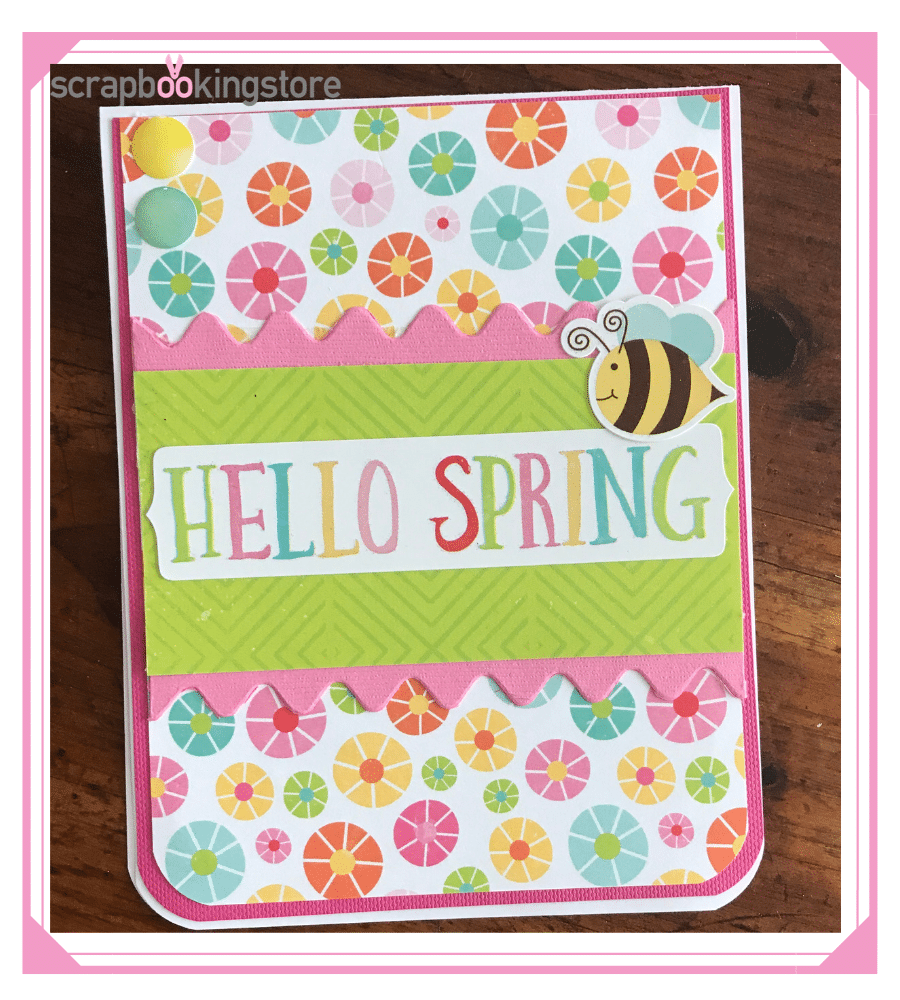
spring craft greeting card
Photo: scrapbookingstore.com

Spring Greeting Cards: Crafting personalized spring-themed greeting cards allows seniors to express their creativity while creating something heartfelt for loved ones.

spring craft bookmark flowers
Photo: onelittleproject.com

Pressed Flower Bookmarks: Create beautiful bookmarks using pressed flowers from the garden. It’s a delightful way to bring a touch of nature into daily reading.

Spring Craft Collage
Photo: pinterest.com

Springtime Collages: Gather magazines, colored paper, and scissors to create vibrant springtime collages. Explore themes like flowers, gardens, and outdoor scenes.

Community Home Healthcare Celebrates Crafting with Between Ages Adult Social Center

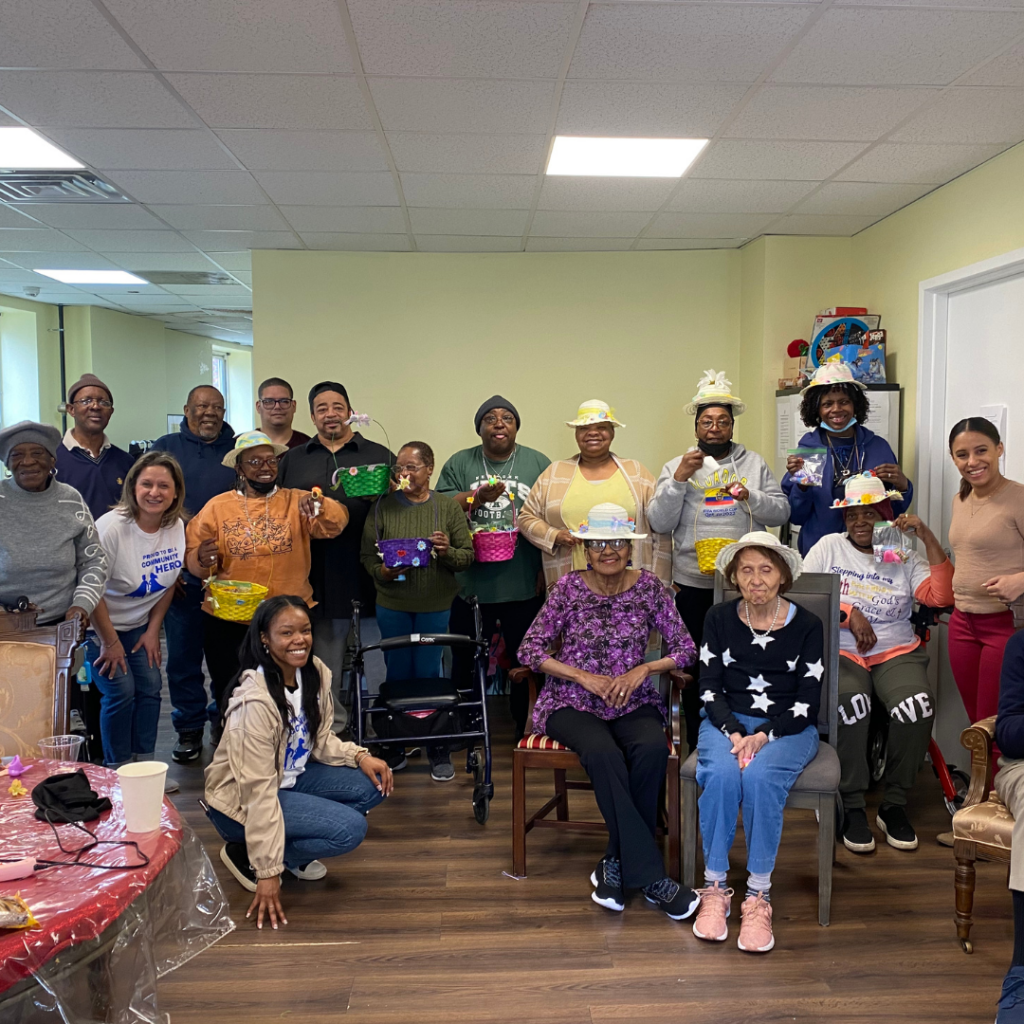
This past Friday, we had the pleasure of sponsoring a crafting event at Between Ages Adult Social Centers. The attendees crafted Easter bonnets and baskets, answered trivia questions for prizes, enjoyed snacks and refreshments, then finished the event with a wonderful parade! We were thrilled to witness the joy and enthusiasm that crafting brought to their lives.

As part of our commitment to enhancing the lives of seniors in the communities we serve, Community Homecare is excited to host similar crafting events at other centers. Stay tuned for more updates on upcoming events by following us on Instagram and Facebook. Happy National Craft Month!