

September is Healthy Aging Month: 7 Steps to Aging Healthy

Healthy Aging month is an initiative dedicated to making known and embracing the positive aspects of aging. A national observance for the past fifteen years, it’s a time for Americans over the age of 45 to step back, look at their overall well-being, and adopt better health practices to preserve good health.

To age “well” is more than just a state of being. Healthy aging includes being well-rounded psychologically, socially, and physically, and includes taking active measures to ensure such. While some may associate being diagnosed with certain physical ailments as inevitable due to genetic predispositions, many physical maladies are actually not determined by genetics alone and can be combated with appropriate preventative measures.

Here are some general tips for aging successfully and living a healthier lifestyle:

  1. Take the time to get your eyes checked

Slight changes in vision can be normal as time goes on, but a marked or sudden decrease may not be. Because vision is such a vital part of daily life, it is important to maintain regular check-ups with your physician and discuss any concerns with them as well. The aging population is at a higher risk of developing eye issues, including: floaters, dry eyes, cataracts, age-related macular degeneration, dry eyes, and other retinal disorders.

  1. Hearing

Age-related hearing loss is most commonly caused by changes to the inner ear, although certain medications and prolonged exposure to noises that are too loud can also play a role. Hearing loss can cause someone to have difficulty hearing the doorbell or phone ring, or have trouble maintaining a conversation with a friend. However, treatments for those with hearing loss can be promising. Even for those with severe hearing loss, hearing aids (or cochlear implants), speech-reading treatments, and auditory training can produce a significant increase in the quality of one’s life.

According to the National Institute of Health (NIH), about 17% of American adults are affected by some form of hearing loss (1).

  1. Blood Pressure Screening

Check with your physician every year for abnormal blood pressure. A normal reading of blood pressure is 120/80 mmHg, although the Centers for Disease Control (CDC) estimates that 29% of Americans suffer from hypertension, or high blood pressure, and that this condition costs the nation $46 billion per year (2)! Hypertension is a blood pressure reading above 140/90 mmHg (3) and increases the risk of heart attack and stroke. Based on one’s situation, a physician may suggest medication, changes in diet, and physical exercise (3) to alleviate the situation. While age, race, and genetics all play a role in developing this condition, there also steps that the average person can take to reduce the risk of developing it, including: reducing sodium intake, maintaining a healthy weight, consuming less alcohol, and not smoking (3).

Hypotension, or low blood pressure, can be dangerous as well. One of the symptoms of hypotension is dizziness, which is caused by insufficient blood supply to the brain.

  1. Meeting with family

There are plenty of new things to appreciate as you get older and spending time with a growing family is one of them. Allocate a bit of time each week for social activities with family, as this makes for priceless memories and carefree laughter.

  1. Volunteer

Volunteering is worthwhile way to spend time because it gives the person a feeling of accomplishment and is also a perfect way to give back to the community. To find out if an organization is in need of volunteers, give them a call or look on their website online.

  1. Practice something challenging

Learning a new language or playing a challenging puzzle game, like Sudoku, is a great way to keep the brain sharp. In addition, a study called the Advanced Cognitive Training for Independent and Vital Elderly (ACTIVE) discovered that a series of specific “brain exercises” were found to improve cognitive function in its 2,832 elderly participants. A CBS News article reports that participants in this study “reported that they had an easier time with daily activities such as managing their medications, cooking meals or handling their finances than did participants who did not get the training” (4).

The article acknowledges that the study’s “training course was designed to bolster specific cognitive abilities that begin to slip as people age. It does not aim to prevent dementia caused by underlying disease such as Alzheimer’s” (4).

  1. Keep your body moving

Whether this is taking a long walk at the end of the day or spurts of short activity spread throughout the day, physical activity is important in preventing certain health conditions and strengthening the body.

The Centers for Disease Control outlines a time goal for physical activity per week, by the 2008 Physical Activity Guidelines for Americans, for adults here and older adults (ages 65+) here. If you have any concerns about physical activity due to a condition you may have, be sure to consult a physician first.

September may be Healthy Aging month, but taking active measures for healthy aging should be a priority no matter what time of year. As a famous person once said, “The greatest wealth is Health”.

 

Causes of Back Pain and What You Can Do to Prevent It

Anyone who has ever suffered chronic back pain understands that the experience can be excruciating. Unfortunately, chronic back pain is a very common condition in this country and at least 100 million American adults suffer from back pain on a daily basis.

Fortunately, by understanding back pain’s most common causes, individuals who suffer from this uncomfortable and persistent problem can learn how to prevent it in the future.

What Causes Back Pain?

Back pain results from a variety of things, the most common of which are skeletal problems and muscular or ligament strain. In many cases, back pain comes on slowly, as the result of an underlying problem. Occasionally, however, back pain comes on suddenly as the result of a traumatic injury or acute spinal disc problem. Generally, back pain originates from one of the following causes:

Skeletal Deformations:

Common skeletal deformations such as scoliosis or birth defects can easily cause back pain. Fortunately, these conditions are rare and, when detected early, can often be rectified with chiropractic care or physical therapy.

Muscle Strain:

Muscle strain is one of the leading causes of back pain and often results when people move in unnatural ways or lift heavy items. People who are in poor physical condition are more likely to experience muscle strain and, when lifting heavy items, may also experience accompanying muscle spasms.

Osteoporosis:

Osteoporosis is a condition that causes bones throughout the body to become weak and brittle. When osteoporosis affects the spine, it can result in the formation of compression fractures and hairline cracks. Because of this, people suffering from osteoporosis often experience back pain that ranges from moderate to debilitating.

Ruptured Discs:

Spinal discs serve the important purpose of cushioning the vertebra in the spine. Spinal discs are constructed like small pillows and filled with a soft material known as mucoprotein gel. Under extreme pressure, however, the disc can rupture or bulge to one side or another, resulting in undue strain on spinal nerves and considerable back pain. In rare occasions, however, patients may have bulging or ruptured disks and no back pain at all.

Arthritis:

In older individuals, back pain is most often caused by arthritis. Osteoarthritis is very common in the lower back and, in severe cases, can cause the entire spinal column to narrow down around the cord in a condition called spinal stenosis. Patients suffering from spinal stenosis will be in great pain but, fortunately, can often find relief through surgery.

Who is at Risk for Back Pain?

Back pain affects people of all ages across all demographics. There are, however, some specific risk factors that place certain populations at increased likelihood for chronic back pain.

Older Individuals:

Age is a direct risk factor for back pain and individuals beyond the age of 40 are at increased risk for back pain due to deteriorating spinal structure and increasing stiffness in joints.

Out of Shape Individuals:

Poor physical condition directly contributes to an increased risk for back pain. When individuals are obese or lacking muscle strength, the spine is forced to absorb more strain, which often leads to back pain. Additionally, abdominal muscles play an important role in preventing back pain and, when a person is in very poor physical condition, the abdominal muscles cannot preform well enough to hold the spine in ideal position.

Pregnant Individuals:

In the later months of pregnancy, the weight of the baby and all accompanying tissues and fluids is centered on the low spine. In order to support the weight, the spine is pulled forward, which often causes considerable back pain. The pain is worsened when a woman is forced to stand, sit or lie down for a very long time. Fortunately, pregnancy-induced back pain is temporary and can often be mitigated with chiropractic care and massage.

Individuals Who Lift Heavy Objects:

People who lift heavy loads, such as movers and construction workers, are at incredible risk for back pain if they don’t maintain proper lifting form. Because lifting weighty objects puts considerable strain on the back, these individuals have a very high risk of slipping or rupturing disks or injuring muscles or ligaments.

Individuals who Smoke:

Smoking makes it difficult for the body to deliver adequate nutrition to bones and, as such, can often result in severe and chronic back pain. In most cases, ceasing to smoke and adopting a healthy diet and lifestyle is enough to remedy smoking-induced back pain.

Diseases:

Although rare, some types of cancer or tumors can cause back pain by pressing directly on the spinal column or its associated nerves and muscles.

How to Prevent Back Pain

Even though back pain is so common, there are many ways to prevent it from occurring. Most people who suffer from back pain will benefit from simply adopting a healthier lifestyle, which means including more dietary fiber, vegetables, fruits and water into the diet. Individuals who smoke should stop as soon as possible and people in poor physical shape will find relief from back pain by beginning an exercise regiment designed to strengthen muscles and improve overall condition.

Additionally, everyone who suffers even occasional back pain will benefit from practicing good posture. Unbeknownst to most people, poor posture is one of the leading causes in the muscle strain and weakness that often causes back pain.  Because of this, people who lift heavy objects often should invest in a back brace designed to support proper posture of the spine and associated muscles during heavy lifting. In addition to wearing the brace, these individuals should avoid bending at the waist and should, instead, lift at the knees.

Finally, people who suffer from chronic back pain may find powerful prevention in the form of a stretching practice like Yoga or Tai Chi. These practices are designed to gently condition muscles and can be very beneficial for keeping the spine aligned and preventing future back pain from occurring.

Older individuals who are suffering from back pain caused by arthritis or osteoporosis can benefit from seeing a doctor regularly. Depending upon the type of back pain, these individuals may benefit from physical therapy, chiropractic work or a light yoga practice. Additionally, better nutrition, ample water intake, healthy lifestyles and plenty of light-impact physical activity are ideal for keeping the spine in great shape at any age.

Although back pain is a common and uncomfortable condition, it can be treated and prevented in a variety of ways, which means that patients can live happier, healthier lives with less back pain.


All About Organic Food and What’s the Big Deal?!

Demand for organic produce has jumped substantially in the past few decades. Increasingly, more supermarkets dedicate a section to solely organic produce and business at farmer’s markets, where local and fresh produce flourish, is blooming. Sales data quantify the popular demand of such produce – in fact, “organic sales increased from $3.6 billion in 1997 to over $39 billion in 2014” (1), and a 2015 publication states that “51% of families are buying more organic products than a year ago” (2). This “organic movement” has gained momentum on an international scale as well. As a whole, the U.S. exported more than $550 million worth of organic products in 2014 and imported over $1.2 billion (3).

What fueled this “organic movement”?  

The move to organic produce by consumers has partly been fueled by beliefs that organic produce may be better for health than conventional produce, concerns over health hazards potentially associated with pesticide usage, or that organic farming methods have a lesser environmental impact.

Agricultural pesticide usage and public perception

Before the 1920s, farming methods were largely pesticide-free (5). It was not until WWII that scientists discovered “chemicals designed as nerve gas…were also capable of killing insects” (5) and chemical pesticide usage in farming methods were not used until after WWII (4), when synthetic pesticides like DDT were made available to the public. Touted as a “fix all”, agricultural workers were ecstatic about its success in improving crop yields, reduction of pests, and its inexpensive price.

Not much about the adverse effects were known at the time, but the dangers of some chemicals, notably the pesticide DDT, were later espoused by conservationist Rachel Carson in her book called “Silent Spring” in 1962. Carson had been researching the effects of pesticide exposure on “non-target creatures (organisms other than those that the pesticide is intended to kill)” in areas where the pesticide had been applied (4). Her publication included sound evidence of the death of animals in those regions and the persistence of the chemicals in the environment, which would continue to harm wildlife over time. She also noted that these chemicals could accumulate and reside in the tissue of the exposed being, including humans, and contribute to cancer or genetic damage in certain cases (6). Carson’s book was monumental in its broadening of public knowledge and shaping of perception towards pesticide usage and the potential damage it carries.

Within the following decades, “the growing consumer interest in health and nutrition, the growth of the green movement, the focus on conservation and environmental issues stimulated the development of the organic market and encouraged farmers to adopt organic methods” (5).

However, concern from organic producers and others also grew regarding the hazy conditions surrounding the term “organic”. This spurred the passage of the Organic Foods Production Act (OFPA) of 1990, which allowed the Agricultural Marketing Service under the U.S. Department of Agriculture to create national standards for foods certified as “organic”. It also created a National Organic Standards Board (NOSB) and a regulatory agency called the National Organic Program (NOP), which oversees the production and handling of organic items.

Health benefits of organic produce

There has been much debate over whether organic foods or conventional foods are “better” for overall health. And despite the research that has been undertaken, the evidence is not yet conclusive. Although more research needs to be conducted, the current literature contains findings similar to these following quotes: an article from Science Direct states that “in public health terms, there is insufficient evidence to recommend organic over conventional vegetables” (7) and another study states that the “results at present do not make it possible to formulate a general conclusion on a higher health-promoting value of organic vegetables in comparison to those grown by conventional farming methods” (6).

So why the craze for organic?

Although the evidence regarding overall health is not yet conclusive, organically grown produce does still have certain favorable benefits over its conventionally grown counterpart.

  1. More of certain vitamins and minerals may be present in organic products.

A study found that, from analyzing 33 studies of the micro-nutrient content of organically versus conventionally grown plant foods, “the absolute levels of micro-nutrients were higher in organic foods more often than in conventional foods (462 vs 364 comparisons, P = 0.002), and the total micro-nutrient content, expressed as a percent difference, was higher in organic (+ 5.7%, P < 0.001) as compared to conventionally grown produce” (8).

Other studies simply find that micro-nutrient levels can vary. One found that “potatoes marketed as organic had more copper and magnesium (p < 0.0001)”; however, they also had “less iron (p < 0.0001) and sodium (p < 0.02)” (9).

  1. Organic farming has less of an environmental impact.

Organic agriculture focuses on “renewable resources, soil and water conservation, and management practices that restore, maintain and enhance ecological balance” (10). It utilizes “cover crops, green manures, animal manures and crop rotations to fertilize the soil, maximize biological activity and maintain long-term soil health” (10).

  1. Reduced exposure to pesticides and other chemical additives

One research states that “two studies reported significantly lower urinary pesticide levels among children consuming organic versus conventional diets” but also acknowledges that “studies of biomarker and nutrient levels in serum, urine, breast milk, and semen in adults did not identify clinically meaningful differences” (11). This study states also that “consumption of organic foods may reduce exposure to…antibiotic-resistant bacteria” (11).


Sources:

(1) http://ota.com/sites/default/files/indexed_files/StateOfOrganicIndustry_0.pdf

(2) http://ota.com/sites/default/files/indexed_files/PolicyConference2015_Infographic_8.5x11_1a_0.pdf

(3) http://ota.com/sites/default/files/indexed_files/OTAJaenickeMay2015_TradeDataReport.pdf

(4) http://people.oregonstate.edu/~muirp/pesthist.htm

(5) http://theorganicsinstitute.com/organic/history-of-the-organic-movement/

(6) http://www.nrdc.org/health/pesticides/hcarson.asp

(7) http://www.sciencedirect.com/science/article/pii/S0278691510005028

(8) http://www.tandfonline.com/doi/abs/10.1080/10408391003721701?url_ver=Z39.88-2003&rfr_id=ori:rid:crossref.org&rfr_dat=cr_pub%3dpubmed#.VdkAlJEQbGs

(9) http://www.ncbi.nlm.nih.gov/pubmed/22022779

(10) http://www.nal.usda.gov/afsic/pubs/ofp/ofp.shtml

(11) http://annals.org/article.aspx?articleid=1355685


Be Kind to Humankind Week: Seven Daily Tips to Make the World a Better Place

Be Kind to Humankind Week (BKHK) is a global celebration that takes place from August 25th-31st every weekend and strives to promote kindness, happiness and cohesion between people from all walks of life.

Each day of the seven-day celebration carries a specific goal. These goals can be adopted by anyone at any time and are often used to promote positivity in schools, home care facilities, workplaces and even correctional facilities. Each goal is accompanied by a simple, actionable statement of kindness, which can go a long way toward boosting morale in any environment.

Use these seven handy tips to make the most of Be Kind to Humankind Week this year:

Day One: Show Them That You Care

Day one of Be Kind to Humankind Week is all about demonstrating compassion, which makes it a great time to get involved in volunteer work. Find a cause that you’re passionate about and seek out an organization in your area that offers services. You could volunteer to dish out meals at the soup kitchen, run food deliveries for the local food bank, read to seniors at an assisted living home, bring some small gifts to children in a cancer ward or volunteer at the local women’s shelter.

Helping other people has been scientifically proven to do everything from increasing life span to boosting happiness and decreasing pain and there’s no time like now to show them that you care. Even if you only volunteer for a week, the time spent in service of others will benefit you for years to come.

Day Two: Drive Courteously

Road rage is all too common these days. Even if you don’t actively get out of your car to chase another one down the road screaming, most of us are guilty of being a little too aggressive at one point or another. All of this stems from the fact that we are constantly in a hurry, rushing from place to place, very absorbed in our own realities.  Fortunately, day two of the Be Kind to Humankind celebration is meant to remedy this exact problem.

During day two of the celebration, focus on driving as courteously as possible. Check out this guide on how to be a more courteous driver or simply pay attention to the needs of others while on the road. Let someone into your lane, pull over promptly for emergency vehicles, avoid tailgating and make plenty of room for cyclists and pedestrians on the road. In addition to making you a more courteous driver and drastically reducing stress levels, these simple tips also help keep you and everyone around you safer on the road.

Day Three: Spread Kindness, One Heart at a Time

Kindness: it’s free, easy and it makes the world go around. Day three of the Be Kind to Humankind celebration is dedicated to encouraging kindness and helping people understand that kindness doesn’t have to be huge or showy. It is easy to carry out random acts of kindness and the third day of the BKHK celebration is the perfect place to begin.

Kindness is often as simple as writing a heart-felt “get well” card or cooking a meal for a family with a brand new baby. Other great ways to be kind include complimenting people, calling a loved one just to say hello, offering to watch a friend’s kids so the parents can have a special date night, encouraging someone’s dreams and plans or simply listening to a friend, loved one or stranger who is in distress. Being kind is easy and the ripple effect of genuine kindness and compassion truly has the power to change the world.

Day Four: Offer a Helping Hand

Have you ever driven by people picking up trash on the side of the road? What about the people who volunteer to organize charity events or community events? These people provide an important community service that increases the quality of life for many people and the fourth day of the BKHK celebration strives to encourage people to lend a helping hand.

There are many great ways to offer a helping hand and fantastic options include volunteering for a community project, helping a sick relative clean or go shopping, giving a hard-up acquaintance a ride to work or donating unused clothing, home goods or appliances to people in need. Lending a helping hand doesn’t just uplift the person receiving the help; it uplifts the person offering the help, as well.

Day Five: Treat Others Well

Being thoughtful and considerate is a powerful skill that has the potential to increase the quality of life for many people. On day five of the BKHK celebration, focus on being increasingly thoughtful of others.  “Thoughtful Thursday,” as it is called by the celebration’s website, encourages simple actions like holding the door for a stranger, cooking lunch for someone in need, being supportive for friends and family in need and simply remembering to say things like “please” and “thank you.”

To take your thoughtfulness a step further, you could clip coupons for those in need or buy a struggling family some diapers or baby goods. It’s easy to be thoughtful and, although the actions required are simple, the practice is powerful.

Day Six: Come Together

Day six of the Be Kind to Humankind celebration is aptly termed “Forgive Your Foe Friday” and, you guessed it, this day is all about letting go of grudges and starting fresh. Although forgiveness is often easier said than done, learning to forgive is an integral part of living a healthy, cohesive, happy life.

Start your journey toward forgiveness by simply minding your thoughts and refusing to harbor negative, nasty or aggressive thoughts toward your so-called “foe.” When that gets easier, you can either reach out and attempt reconciliation or simply begin to temper back you feelings of anger and hurt toward this person. In the words of author and psychoanalyst Clarissa Pinkola Estes, “Forgiveness is an act of creation…You can forgive for now, forgive till then, forgive till the next time, forgive but give no more chances it’s a whole new game if there is another incident. You can give one more chance, give several more chances, give many chances, give chances only if. You can forgive part, all, or half of the offense. You can devise a blanket of forgiveness. You decide.”

No matter how you choose to forgive, rest assured that the act of forgiving will improve life for you and those around you.

Day Seven: Say Something Nice

“Speak Kind Words Saturday” is the last day of the Be Kind to Humankind celebration and is intended to encourage kind thoughts, actions and words. The words we speak inform our thoughts and actions and it is amazingly important to ensure that we are speaking kindly to one another and ourselves. Additionally, since speaking kindly can reduce stress and promote a better lifestyle, it is obvious that this simple tip benefits individuals as well as society at large.

On the seventh day of this celebration, focus on complimenting people you admire and encouraging kind words from others. Tell a friend that you love him or her or make it a point to thank someone for his or her hard work, kind deeds or special attention. Teach children to speak gently and avoid gossip. Although these actions are simple, they can go a long way toward encouraging kinder speech patterns and a more welcoming world.

Be Kind to Humankind week is a celebration that seeks to make the world a better place and enhance the quality of life for everyone who lives here. This week, focus on meeting each day’s objective and pay attention to how these simple practices transform your life, work and mind.

National Friendship Week: How To Build Better Friendships

Friendships are important to our lives. In addition to providing a support system, unwavering love and some much-needed comic relief, good friendships can also make us happier, healthier and more confident.

Friendships provide us with a fallback system and have the potential to teach us lessons about the world and how we run our lives. Although friendships, like any relationship, can sometimes be challenging, it is important to nurture them in order to build lasting partnerships that can stand the test of time.

Friendship Week came about as a way to honor existing friendships and focus on building new ones. The holiday week is often celebrated by the distribution of bracelets with positive messages on them or through various school and workplace programs.

Friendship week offers a great opportunity for in-home care specialists to create some fun events with their clients and use the week as a way to promote bonding and increase closeness between themselves and their patients.

In honor of Friendship Week, here are the top five tips to build, nurture and maintain great friendships:

1) Be Open

In many ways, friendships are lessons for the rest of our lives. Friendships can teach us many things and provide us with a forgiving platform to improve ourselves and be honest about our faults and mistakes. Because of this, one of the most important aspects of nurturing strong friendships is learning to be open.

Being open means sharing feelings honestly, discussing any annoyances or bothersome occurrences that may pop up and learning to be respectful. Friendships, like many of life’s other relationships, have a hard time surviving if open communication isn’t happening. Focus on being open in your closest friendships and you will be rewarded with an unwavering support system and plenty of laughs for years to come.

To apply this to a home care setting, work on telling your clients one of the things you appreciate about him or her, each day. In addition to strengthening the bond between you and your clients, this will often serve to help a client with depressive symptoms feel happier and more positive.

2) Practice Acceptance

As much as we love our friends, nobody is perfect and it’s possible (and very likely) that there will be times when you don’t agree with a friend’s choices. In these instances, practice acceptance and let your friend make his or her own decisions.

In addition to allowing you to let go, practicing acceptance is also a great way to show our friends that we respect and love them, no matter what. Feel free to share your opinion if your friend asks for it, but then take a step back. Remember: your friend has his or her life and you have yours.

Respecting a friend’s intelligence and autonomy and accepting them just as they are at any given moment is the best way to ensure that you get the same treatment down the road. Additionally, practicing acceptance does nothing but make you a bigger, strong person that is more capable of handling anything that might come down the road.

To apply this to a home care setting, practice accepting the choices, moods and opinions of your clients, even when they don’t align with yours. Home care is an intimate environment and one of the best ways to ensure you are providing the best care you are capable of is to ensure that you are not attempting to change or coerce your clients in any way. By doing this, you meet your clients where they are and provide them with the respect and assurance of caring for them without also trying to change them.

3) Make Friendships a Priority

In order to build great friendships, it is important to ensure that your friendships have priority in your life. In today’s busy world, it’s easy to get wrapped up in work and various other obligations at the expense of our friendships. Unfortunately, this carries the very real risk of damaging relationships in the long run.

To avoid this pitfall, ensure that you make your friendships a priority, even when things get busy.  Think of your friends as your life jackets. You don’t want to throw them overboard in the middle of a stormy sea.

Learning to apply this to a home care setting is twofold: on one hand, this means that you should focus completely on every client while you are with him or her, thus making that client and the relationship between you your priority. On the other hand, it also means taking the time to nurture your friendships outside of work. Home care is a rewarding yet stressful environment that can easily make it difficult to make time for friends. In order to avoid this pitfall, learn to consciously make time to see your inner circle, no matter how tired or stressed you may be.

4) Listen

The act of listening is a central feature in any great friendship. It is impossible to have open, honest or fulfilling communication without being able to listen actively. In order to build and maintain a great friendship, it is important to learn to listen. Active listening means making eye contact, turning your body toward the person speak and using reflective responses to convey understanding and attention.  In addition to helping your friend feel heard and respected, the practice you get listening to friends will benefit you in almost every other area of your life.

People who know how to listen without interrupting, becoming defensive or actively trying to “fix” things help make other people feel safe and comfortable, which is especially important for those engaged in-home care or healthcare settings. Practice listening to your friends and your clients and watch how it ripples out into the rest of your life.

5) Express Gratitude

At the end of the day, great friends are one of our biggest blessings and they deserve to know how special they are to us. To show your friends how much you appreciate them, hand-write a small thank-you note, schedule a special dinner or purchase a small gift or a bouquet of flowers.

To apply this to a home care setting, don’t be shy about telling your clients what they have taught you. People in a home care setting often have depressive symptoms and may feel as if they are no longer useful or wanted. By being open with your clients about how they have positively affected your life, you can help uplift your clients and inspire a gratitude ripple effect.

Expressing gratitude helps our friends feel appreciated and valued and, in turn, produces stronger friendships, deeper bonds and more lasting connections.

Elbert Hubbard is famous for having said, “A friend is someone who knows all about you and still loves you.” In that spirit, we honor Friendship Week. Our friends are our greatest support systems, cheerleaders, court jesters and psychiatrists and life would be much different without them.  This week, dedicate some time to nurturing, building and maintaining your great friendships because, come what may, our closest friends make our lives distinctly better.


National Smile Week: 10 Fun Facts About Smiling

Smiling. It feels good and looks great but did you know it could actually increase your life span and  do everything from making you more attractive to helping you land that promotion? In order to help you celebrate National Smile Week, we’ve compiled a list of fun and surprising facts about turning that frown upside down. Get ready to smile because these facts about smiling are nothing but good news:

Fact #1: Smiling Helps You Live Longer

Smiling has many benefits, not the least of which is that smiling can actually help us live longer.

People who smile more often are generally happier and, since smiling decreases blood pressure and releases endorphins, it’s a great way to boost health and protect your golden years.

Fact #2: Smiling Makes Promotions More Likely

Who knew that landing that exciting new position would be as easy as smiling? As it turns out, people who smile at work are more likely to be promoted than those who do not. This is because smiling conveys a message of happiness, approachability and confidence, all of which are things managers typically look for in employees that are up for promotion.

Fact #3: Smiling Boosts The Immune System

In addition to making you look more attractive, successful and approachable, smiling and laughter may also protect you from the common cold. According to recent data, smiling can help boost the immune system by decreasing stress levels, which in turn increases white blood cell count and releases beneficial antibodies that help fight infection and disease.

Fact #4: There Are Many Different Types of Smiles

People smile for all sorts of reasons and, as it turns out, we smile all sorts of ways, too. According to Paul Ekman, an American psychologist who studies human emotions and facial expressions, humans display very different types of smiles depending upon the situation. Types of smiles include the felt smile, the fear smile, the miserable smile and the flirtatious smile.

Fact #5: Smiling is Contagious

Have you ever been around someone who seemed to be smiling all the time? Chances are, you found yourself smiling as well. This is because smiling is incredibly contagious. Research suggests that happy people influence the people closest to them and provide a boost of good energy, smiles and laughter. So, next time you’re feeling down, seek out your happiest friend and let the smiles begin.

Fact #6: Smiling Is A Global Sign of Happiness

There are a few human gestures that cross language barriers around the world and smiling is one of them. No matter where you are on the globe, smiling is recognized as a universal display of happiness and good nature.

Fact #7: Babies Can Smile Moments After Birth

Most of us have heard that babies are not capable of smiling during their first few months of life. As it turns out, this is untrue. According to research and ultrasound evidence, babies can smile in utero and immediately after birth, although it is important to distinguish between automatic smiles and social smiles. Automatic smiles are produced as a result of pleasurable physical sensations, such as falling asleep, resolving gas or eating. When babies smile during the first few days after birth, it is typically an automatic smile.

Social smiles, on the other hand, are produced as a result of facial recognition and the type of conscious happiness that arises when a baby recognizes a parent’s face or sees a favorite toy. Babies do not generally begin to exhibit social smiling until about two months of age.

Fact #8: Women Smile More Often Than Men

Studies have found that women smile more often than men but the difference disappears when men and women occupy similar business or social roles. Many scientists interpret these results to indicate that gender roles are fluid and that both men and women act differently depending upon their social or business environment.

Fact #9: Smiling Drastically Reduces Stress

Feeling stressed out and over-loaded? Try smiling. According to recent studies, smiling has the power to reduce stress and increase our ability to deal with trying situations.  This is largely owing to the fact that smiling boosts endorphin output and forces us to breathe deeper, resulting in a calmer outlook and increased coping ability.

Fact #10: Smiling Can Make You Happier

If you’re having a bad day, force yourself to smile. Research suggests that the act of smiling can actually trick the brain into feeling happier, no matter how bad the current situation may be. While smiling certainly doesn’t fix all problems, it certainly has the power to make us feel just a little better at any given moment.

Smiling eggs


The Case for More Smiles

National Smile Week is a wonderful way to bring some consciousness into your everyday life. We all know that it feels better, emotionally and mentally, to smile than it does to frown and it is obvious now that smiling offers some serious, scientifically backed benefits that have the power to boost our lives and improve the quality of almost everything we do.

A Boost in Morale

The simple act of smiling can go a long way toward boosting morale in difficult situations, as well, and is a powerful practice for those employed in difficult fields, such as medicine, hospice and home care. These jobs often entail dealing with great sickness, disability and transition and the simple act of smiling has actually been proven to significantly boost morale in hospital settings.

Increased Comfort for Patients and Caregivers

Because smiling is a global signal of happiness and confidence, patients who are cared for by smiling, upbeat caregivers are more likely to feel at ease, positive and comfortable, not to mention that the hormonal and endocrine changes induced by smiling may actually reduce pain and promote quicker healing.  It is easy to bring National Smile Week into a home care setting by simply paying more attention to the things you can do and say that will help your clients smile. This could be as simple as baking a favorite meal or playing a favorite song. Smiling is a practice that is accessible to everyone, at all times, and it is clear that nurturing a life with more plentiful smiles is synonymous with nurturing a healthier, happier, more confident and more resilient life.

A Happier World

We’ve all heard the saying “turn that frown upside down” but who knew that smiling could actually be so beneficial to health and happiness? With perks like increased life span, greater happiness, reduced stress and boosted immune function, it seems obvious that a smile a day can truly keep the doctor away. In honor of National Smile Week, get out there and give the world your best grin.

Many different smiles

Don’t forget to smile today!

National Simplify Your Life Week: Seven Tips to Help You Simplify, Cut Stress, Make Better Decisions and Be Happier

We all know the feeling. You wake up to a to-do list that feels about five miles long. You’ve got fifteen minutes until you need to be out the door and on your way to work but you can’t find your car keys because they’re buried under a pile of last week’s junk mail. You feel stressed, hurried, like there isn’t enough time in the day.

You’re worried about burning out and it seems like the vicious cycle just won’t stop.

Fortunately, there is a way out.

Simplifying your life is often a sure-fire way to get rid of excess stress and create an environment that allows for enhanced relaxation, more time and greater happiness. In celebration of National Simplify Your Life Week, we’ve gathered a selection of the greatest tips for simplifying and starting fresh this month. Keep reading to learn more.

1) Get Rid of Clutter

Get rid of clutterUnneeded clutter is a great way to find yourself feeling stressed out, overwhelmed, frustrated and short on time.  Fortunately, getting rid of stuff is easy and it only takes a few minutes to banish undue clutter. To start with, take two bags to your car and fill one with garbage and the other with junk that doesn’t belong in the car.

Spend five minutes in your closet and pull out the items you don’t often wear to donate to charity. Box up duplicate or unused kitchen items and either donate them or store them. Getting rid of clutter leaves you with only the most needed items and, in turn, allows your days to function smoother and with less frustration.

2) Unplug

UnplugIn today’s society, we are ever connected. People expect to be able to get ahold of us at all hours and under any circumstances, but this isn’t exactly healthy. Being perpetually available or feeling the need to check your email five times during dinner produces stress and anxiety and indicates that it might be time for a social media detox.

To counteract this and take another step toward simplifying your life, unplug completely for at least one hour a day. Take a walk in the woods without your cell phone or enjoy a yoga class or a run.  No matter how you choose to unplug, giving yourself some time each day to disconnect from the virtual world can work wonders for stress levels.

3) Evaluate Your Relationships

Evaluate your relationshipsAs humans, we have limited resources. It is impossible to give all of our love, patience, enthusiasm, energy and attention to everyone all the time without feeling exhausted and drained. This is especially true when we find ourselves putting our energy into life-sucking sources such as bad friendships, abusive work environments or poor relationships.

In order to simplify your life and make more room for the things that matter, take some time to think about your relationships. Identify which relationships are uplifting you and contributing to your overall wellbeing and which ones are stressing you out and making you feel bad. Begin to detach from the latter and pay more attention to the former. In addition to making you feel better, this simple practice will free up space in your life for new hobbies and better scenarios to spring up.

4) Automate as Much as Possible

AutomateThere is nothing quite so stressful as realizing that you’ve forgotten to pay a bill and it’s now a week overdue. To avoid this, consider automating as many details of your life as you can. Place bills on auto-pay and paychecks on auto-deposit. Input appointments, obligations and important dates into a digital calendar for convenient reminders. When you spend less time worrying about the minutia of your daily life, you have more time to spend living.

5) Make Time for Fun

Make time for funIn Italy, there is a great practice called “La Dolce Far Niente” or “the art of doing nothing”.  We could stand to learn a thing or two from this. A large part of simplifying daily life and making more space for enjoyment entails learning to slow down, have fun and create openings for hobbies, recreational activities and aimless happiness.

While you certainly don’t have to “do nothing” in the literal sense, it is important to make space for fun. This is especially important for those in the busy and often stressful home care field. In order to be a better person, partner, employee and support system, it is important to make time for yourself and what you need. After all, you can’t give when the well is empty.

6) Breathe

BreatheThere is nothing simpler and automatic in the world than breathing but, some days, we forget to do even that. If you work in the home care field, there’s a good chance that you often have days where you hardly sit down because you are so busy. Unfortunately, being so busy you cannot take a moment to simply sit and breathe is not beneficial for you or your clients and often leads to negative emotions like stress, anger, frustration or feelings of burnout.

Learning to take a moment to breathe during your day will go a long way toward making you a more patient caregiver as well as a happier person. The great news about breathing is that it’s easy to sneak it in anywhere in your day. If you’re rushing between clients, take five minutes to sit down (outdoors, if possible) and simply take in the world around you. These “sit and breathe” sessions are like psychic power-naps and have the power to help you recharge, prioritize, improve your mood and simplify your day.

7) Exercise

ExerciseThere are plenty of studies that clearly observe the correlation between exercise and happiness, better decision making, less stress and better sleep. In order to simplify your life and cut out the excess static of the everyday, make it a priority to slip some exercise into your schedule.

“Exercise” is a fluid term and it can take whatever form you want it to. If you don’t enjoy the gym, take a walk outside, play a game of soccer with friends or swim some laps at the local pool. Regardless of how you choose to exercise, including some predictable physical activity in your everyday life will help you decrease stress, cut to the chase and simplify your schedule.

The Case for Simplification

Simplifying your life goes a long way toward reducing stress and increasing enjoyment and the best part is – it is easy! You can apply these simplification tactics to any aspect of your life at any time and it is likely that people in the home care field will find these tips helpful. Whether you’re seeking to get rid of clutter or making prioritizing important, simplification techniques can help you feel better, serve your clients better and reduce everyday stress levels.

Happy National Simplify Your Life Week


Reducing Stress and Enhancing Quality and Longevity of Life

Everyone might be familiar with stress but not everyone is aware of just how dangerous it is for one’s health. In fact, the top causes of death around the world: heart disease, cancer, lung problems, cirrhosis of the liver, accidents, and suicide are all related to stress.

Moreover, seventy-five to 90% of all doctor’s office visits are due to conditions and complaints that are stress-related. Even the Occupational Safety and Health Administration (OSHA) has asserted that stress is one of the threats in the workplace.

What is stress?

Stress is the body’s normal response to situations that make a person feel upset or threatened. It is the body’s way of protecting itself.

During periods of stress, the body starts pumping adrenalin, the heart rate goes up, blood vessels dilate, breathing and sweat production increases, metabolism slows down, and muscles become tense. These reactions are part of what is called the body’s “fight-or-flight response.”

Stress doesn’t always produce negative effects. For some, it could lead to better performance because pressure can help you stay alert, energetic, and focused on the tasks at hand. Exposure to constant stress, however, could take a toll on your health and can adversely affect the different areas of your life.

What are the signs of stress?

It’s not difficult to determine whether you’re stressed or not. Almost everyone is familiar with the effects of stressors, the catalyst that causes stress. Nonetheless, you may still be surprised at just how extensive the effect of stress is on your body. If you’re not careful, it might be too late to undo the damage that it has caused.

These are some of the specific symptoms of someone who is suffering from stress:

Psychological signs

  • Poor memory
  • Lack of concentration
  • Confusion
  • Pessimism
  • Anxiety
  • Restlessness
  • Impaired judgment
  • Constant worrying
  • Inability to solve problems

Physical signs

  • Chest pains
  • Dizziness and nausea
  • Constipation or diarrhea
  • Persistent colds
  • Menstrual disorders
  • Erectile dysfunction
  • Infertility
  • Psoriasis
  • Eczema
  • Hair loss
  • Mouth ulcers
  • Stomach upset
  • Aches and pains in general

Emotional signs

  • Agitation
  • Irritability
  • Moodiness
  • Depression
  • Sense of helplessness
  • Indifference

Behavioral signs

  • Eating disorders
  • Sleeping disorders
  • Antisocial attitude
  • Use or abuse of cigarettes, alcohol, or drugs to calm down
  • Nervous habits
  • Disregard for one’s obligations or responsibilities


Apart from the effects stated above, recent studies have shown that stress shrinks the brain, makes kids age prematurely, triggers the development depression, and could affect the genes of your future children.

Moreover, several researches have also shown that unexpected emotional stresses can provoke arrhythmias, heart attacks, and even death. This is why people who are at risk of heart disease should try to reduce stress as early as possible.

What can you do to reduce stress?

Stress affects people in varying degrees because some deal with stress better than others. In any case, it is important to remember that reducing stress will not only affect your well-being at present, it will also benefit your health in the long-term.

Here are some examples of what you can do today, which will make your older self thank you later:

Determine the factors that cause stress

The first step to reducing stress is pinpointing the exact cause/s of stress in your life. Keep a diary where you can write down your emotions and thoughts whenever you feel stressed. At the end of a few days, you should be able to identify some of the major stressors and you’ll get a sense of what you need to do to deal with them.

Build positive connections with the people around you

One of the best ways to effectively deal with stress is to have family and friends who could provide you a strong support network. Because loneliness and isolating yourself from others are symptoms of stress, it is all the more important to build positive relationships with the people closest to you.

Learn to condition your attitude and mindset

It is possible to train your mind to dwell on more positive thoughts than negative ones, which is crucial in your becoming more resistant to the effects of stress. People who suffer from the negative effects of stress think that they are victims of circumstances and that they have no control. While it is true that we can do nothing about a lot of the situations we are in, we have control over how we allow the situations affect us. Having a sense of humor, the ability to embrace challenges, and the willingness to accept change all go a long way in successfully dealing with stress.

Learning relaxation techniques, such as meditation, deep breathing, and yoga will also help you have better control over your attitude and mindset. This leads to reduced stress and improved health.

Know that preparation is key

It pays to know everything you can about a stressful situation you will face because this allows you to prepare. When you’re prepared, you are better equipped and able to cope with the challenges or difficulties that the situation entails. This, in turn, reduces the possibility of stress.

Acknowledge the wisdom in walking away

There will always be situations that can’t be dealt with easily and immediately. In those instances, you’ll probably be tempted to give in to anger and frustration but before that happens walk away even for just a few minutes. If you can’t physically walk away from a stressful situation, delay your reaction by taking a deep breath, having a sip of water, or counting to 10. These actions will give you the opportunity to organize your thoughts and allow you the chance to react in a more positive way.

Listen to music

Take a break from a stressful situation by listening to relaxing music. Doing so can affect the brain and the body positively by making you calm, lowering your blood pressure, and reducing cortisol. Most people usually find classical music calming but you could also listen to nature sounds if that’s your thing.

Laugh

The saying “laughter is the best medicine” is especially true when it comes to fighting stress because when you laugh, the levels of stress-aggravating hormones (cortisol, epinephrine, and adrenalin) are lowered and feel-good hormones, such as dopamine, are released.

Get enough sleep

Many emotional disorders have been related to disrupted sleep. If you’ve been feeling angry, sad, exhausted, and generally stressed for no apparent reason, you might not be getting enough sleep. Admittedly, stress could be what is making it difficult for you sleep but if you don’t do something about it, this vicious cycle will continue. The National Sleep Foundation provides some tips on how you could develop healthy sleeping habits. Try some of the tips to see which works best for you.

Incorporate stress-busting super foods into your diet

When you’re stressed, you’re more prone to eating food that are bad for your health, such as those high in fat and sugar. Although your first instinct might be to reach for these comfort foods during stressful situations, turning to healthier alternatives could not only help relieve your tension but will benefit your overall health as well.

The next time you feel stressed, try consuming the following:

  • Grapes, berries, nuts, and green tea

These contain antioxidants that help increase the body’s ability to respond to stress. They also combat free radicals brought about by stress.

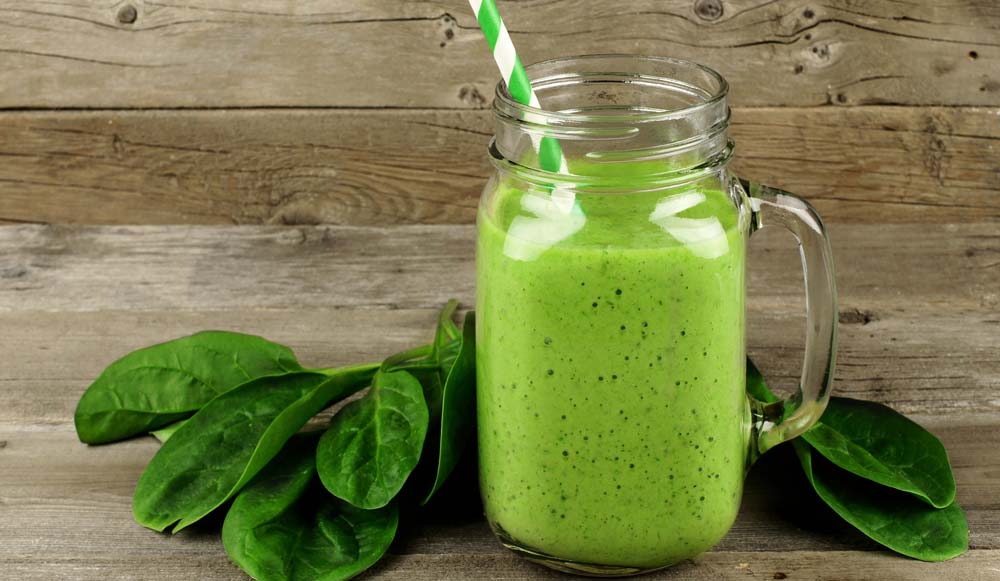
  • Spinach, collard greens, mustard greens, and romaine lettuce

These are some examples of leafy greens that contain folate, which regulates the production of dopamine, a chemical that induces pleasure and helps keep you calm.

  • Oatmeal, whole-grain pasta and breads, corn, and peas

These are examples of complex carbohydrates, which help the brain create serotonin without adding to your body’s already elevated blood sugar level caused by stress.

  • Salmon contains omega-3 fatty acids that have anti-inflammatory properties, which may help offset the adverse effects of adrenalin and cortisol.
  • Fortified milk, fortified cereal, and egg yolks

These contain vitamin D, which is believed to increase happiness. In studies, people with high levels of vitamin D in their system exhibited a reduced risk of panic disorders.

  • Yogurt, nuts, fish, and leafy greens

These are great sources of magnesium, which has been shown to aid in relieving irritability, depression, and fatigue.


Exercise

Exercise is not only essential if you want to stay fit, it’s also a great way to relieve stress since it boosts the production of endorphins. Endorphins are the body’s natural chemicals that leads to euphoric feelings, regulation of appetite, and the strengthening of the immune system. If you’re having a stressful day, try taking a walk or spending at least a few minutes at the gym and see how different your mindset will be when you return to work.

Recognize when it’s necessary to seek professional help

When you’ve tried everything you can to deal with stress on your own and you still feel overwhelmed, it may be time for you to ask the help of a professional. A psychologist or other licensed mental health professional can teach you ways to effectively handle stress.

Stress is an everyday occurrence but it doesn’t have to be part of your life so follow the practical tips in this article if you want to live longer, healthier, and happier.


10 Ways to Bring Positive Energy Into the Home

There are few settings where positive energy is more important than a home care environment. Home care sometimes involves great sadness and difficult situations and while it is important to respect those things as realities, it is also important to go to great lengths to magnify positivity on every level.

Fortunately, there are many easy steps caregivers and residents can take to bring positive energy into the home. In addition to contributing to the overall health and well being of the home care patient, making a home brighter, cleaner and more positive also benefits caregivers and attendants alike. That said, here are ten easy ways to bring more positive energy into the home:

1. Focus on Natural Sunlight

For such a simple tip, this one really packs a punch. Natural sunlight stimulates the production of Vitamin D, which elevates mood and makes people feel happier almost instantly. Additionally, ample access to natural sunlight can help alleviate depressive symptoms and uplift lonely, ill or aging patients.

To capitalize upon the positive powers of sunlight, open blinds and draw back curtains to let natural light into the room. Cleaning glass windows and removing obstructions that block light can also help make the room feel brighter and more positive.

2. De-Clutter

Clutter causes stress and nothing squashes positive energy quite like stress. In addition to being unpleasant to live with, clutter can often be dangerous in a home care setting. De-cluttering an area helps the space feel calmer and more open and also serves the utilitarian purpose of getting rid of things that are no longer needed.

Even a simple step like de-cluttering a single drawer in the kitchen or bedroom can have a profound effect on the positivity of a room or space. Make sure that commonly used areas such as kitchen tables, night stands, coffee tables and kitchen counters stay clean and clear of clutter and replace the clutter with a jar of flowers or treasured family photos, instead.

3. Incorporate House Plants or Flowers

Incorporating plants into a household offers dozens of benefits. In addition to improving air quality, beautifying a space and adding personality to an area, living houseplants and fresh-cut flowers have also been shown to improve the emotions and mental states of ill or elderly patients.

Opt for easy-care plants like succulents or ferns and arrange them around the house in sunny windows and high-traffic areas. To incorporate even more beauty, opt for plants that flower, like lilies or orchids. Flowering plants give both the patient and the caretaker something to look forward to every few months and there is nothing quite likes a beautiful bloom to make a space feel happier and more positive.

4. Open Windows

Most people know that spending time outdoors offers benefits like reduced anxiety and lower blood pressure rates but, in a home care setting, it is often difficult for patients or caregivers to spend a great deal of time in nature. Fortunately, it’s easy to do the next best thing. As often as possible, throw windows open to let some fresh air into the home.

In addition to reviving a musty room by allowing fresh, clean air to enter the space, opening windows also allows both the patient and the caregiver to hear outdoor sounds such as birdsong, rainstorms, distant thunder and kids laughing down the street. Although it’s not quite the same as actually being outdoors, opening windows can have a huge impact on the positivity of a given space.

5. Apply a Fresh Coat of Paint

Although some home care settings may not allow this, sprucing up a room with paint is a wonderful way to make it feel clean, fresh and bright. Pick a color the occupant loves and paint while he/she is away.

When the painting is done, put everything away and have a mini “Welcome home” party. Painting, although simple, can have a profound effect on the positivity of an area by covering blemishes on the walls and imbuing the room with new life.

6. Hang Artwork

Hanging meaningful artwork on the walls goes a long way toward inviting positive energy into the home. Hang favorite artwork in high-traffic areas and consider placing cards or drawings done by children, friends or grandchildren in high-visibility areas like the refrigerator or in frames on the living room and bedroom walls.

Hanging meaningful artwork provides a constant reminder of love, light and happiness and can immediately make a room feel more positive.

7. Invite Nature In

If there is a large window anywhere in the home, consider placing a bird feeder directly outside of it. Bird feeders come in a variety of sizes and can be hung from freestanding iron stands if nothing else is available.

Birds will start frequenting the new feeder within a matter of days and both the resident and caregiver can enjoy spotting new species and listening to their beautiful songs.

8. Add some Color

Adding a pop of color to a room can immediately make the area feel brighter and livelier and, fortunately, it is one of the easiest changes a person can make. Place a few bright throw pillows on the couch or drape a pretty quilt over the bed for an instant boost. Color is clinically proven to influence mood and lively colors like greens, yellows and reds can have an immediate positive impact happiness and energy.

9. Use Scent

Scent is a powerful sense and multiple studies have proven that aromatherapy can actually contribute to making people feel happier. To instantly invite positive energy into a space, pick an upbeat essential oil like lavender, rosemary or tangerine and place a few drops into a diffuser.

Essential oils are non-toxic, customizable and safe and they can help make a room smell fresh, bright and happy for hours on end.

10. Pay Attention to Lighting

A room that is dark and poorly lit is almost guaranteed to feel depressing and close. Even if a room doesn’t have much natural sunlight, it is important to make sure it is well lit just the same. The simple act of turning on lamps and overhead lights at the appropriate times of day can instantly help a room feel brighter and cleaner, which can help residents and caregivers alike feel more awake, more lively and more positive.


Learning to bring positive energy into the home is especially important in a home care setting. Making a room feel happier, brighter and more expansive can have marked effects on the happiness and wellbeing of both the resident and the caretaker. Fortunately, enhancing the mood of a space is easy and these ten simple tips can help you start bringing positive energy into the home today.


Exercising and Staying Healthy

Physical activity provides long-term health benefits for everyone! By being active, you will burn calories that you store from eating throughout the day and—it can be as easy as walking the dog or as rigorous as running a marathon.   It’s never too late to jumpstart a healthy lifestyle.

Regular physical activity can produce long term health benefits. People of all ages, shapes, sizes, and abilities can benefit from being physically active. The more physical activity you do, the greater the health benefits.

Being physically active can help you:

  • Increase your chances of living longer
  • Feel better about yourself
  • Decrease your chances of becoming depressed
  • Relieve Stress
  • Increase your energy level
  • Sleep well at night
  • Move around more easily
  • Have stronger muscles and bones
  • Stay at or get to a healthy weight

When you are not physically active, you are at a greater risk or developing heart disease, type 2 diabetes, high blood pressure, high cholesterol, and stroke.

Being active increases the amount of calories burned. As people age their metabolism slows, so maintaining energy balance requires moving more and eating less.

There are different types of physical activities that can be done at all levels.  If you are not comfortable doing aerobics on land, you can always do aerobics in a pool.  Muscle strengthening can be done with varying weights.  There are weights beginning at 1 lb., so people of all ages can do these exercises.    Balance and stretching exercises help stability and flexibility, and can reduce risk of injuries.  Gentle stretching, dancing and yoga are a few ways of achieving this goal.

Remember, always check with your doctor before starting a new exercise program.