


Blog
Access valuable information for care that's more informed and compassionate.

 14 July, 2015
10 Foods to Promote Good Health in Seniors
Eating right plays a huge role in maintaining good health, which is especially crucial for the aging population, where malnutrition is associated with a weaker immune system and slower healing. But with all the foods out there and all the commotion over one vitamin supplementation over the other, which are the ones we should pay attention to?
The Dietary Guidelines for Americans (DGAs), a report by the U.S. Department of Health and Human Services and the U.S. Department of Agriculture, emphasizes “nutrients of concern”, or nutrients that are generally consumed in amounts less than recommended, which can pose a health risk. The purpose of the report is to provide information to encourage healthy eating, to promote healthy weight and reduce the risk of diet-related chronic illnesses, and functions as the primary source of information for policy makers and nutrition educators. As discoveries in the scientific field are constantly being made, the Dietary Guidelines for Americans is republished every five years to reflect new, emerging evidence and the implications it may have on our health.
Thus, it is important to keep an eye on these “nutrients of concern” as consuming these in their recommended amounts is beneficial for overall health. Check out the following list of 10 foods, which contain significant amounts of these nutrients, and others, to promote good health in seniors and the aging class:
Read More
-
Low-Fat Yogurt
-
Dry Roasted Sunflower Seeds
-
Salmon
-
Tofu
-
Bananas
-
Guavas
-
Lentil Soup
-
Mushrooms
-
Whole Wheat Breads
-
Spinach
 2 June, 2015
Heat Stroke: Symptoms, Prevention, and Treatment
Heat stroke is most likely to affect older people who live in apartments or homes lacking air conditioning or good airflow. Other high-risk groups include people of any age who don't drink enough water, have chronic diseases, or who drink excessive amounts of alcohol.
Symptoms of heat stroke include:
Read More
- Core body temperature above 105 degrees Fahrenheit
- Throbbing headache
- Dizziness and light-headedness
- Lack of sweating despite the heat
- Red, hot, and dry skin
- Muscle weakness or cramps
- Nausea and vomiting
- Rapid heartbeat; strong or weak
- Confusion, disorientation, or staggering
- Seizures
- Unconsciousness
- Fan air over the patient while wetting his or her skin with water from a sponge or cloth
- Apply ice packs to the patient’s armpits, groin, neck and back. These are areas with a large amount of blood vessels close to the skin, cooling them can reduce body temperature.
- Give patient a cold shower or place the patient in a cool tub of water.
 2 June, 2015
Exercising and Staying Healthy
Physical activity provides long-term health benefits for everyone! By being active, you will burn calories that you store from eating throughout the day and—it can be as easy as walking the dog or as rigorous as running a marathon. It's never too late to jumpstart a healthy lifestyle.
Regular physical activity can produce long term health benefits. People of all ages, shapes, sizes, and abilities can benefit from being physically active. The more physical activity you do, the greater the health benefits.
Being physically active can help you:
Read More
- Increase your chances of living longer
- Feel better about yourself
- Decrease your chances of becoming depressed
- Relieve Stress
- Increase your energy level
- Sleep well at night
- Move around more easily
- Have stronger muscles and bones
- Stay at or get to a healthy weight
 2 June, 2015
Communication is Key in Homecare
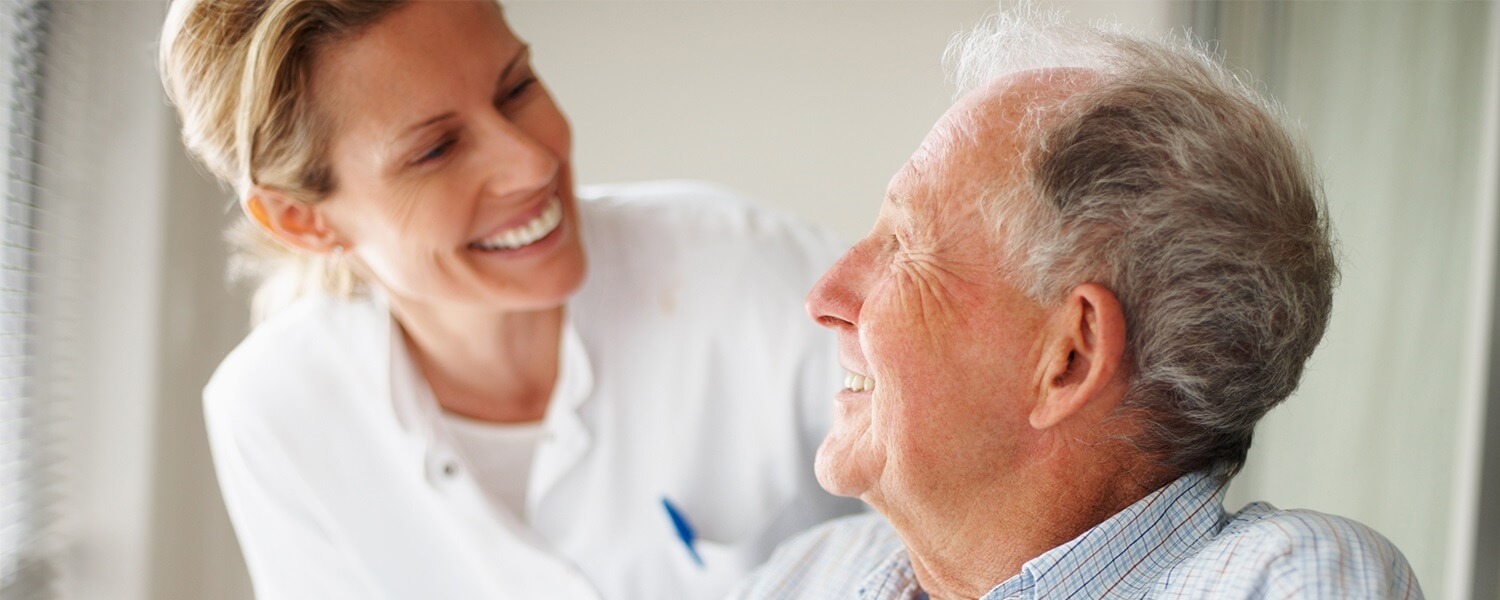
Aging, disabilities, and chronic illness make it difficult and challenging for individuals to care for themselves. That’s where we come in……health aides can help. Health Aides improve the quality of life with hands on care and kindness. For many, Health Aides become trusted friends.
Family membrs may be worried about a loved one recovering after surgery or who is weak and forgetful, and they turn to us to provide excellent and reliable care. We may be needed on a full time basis, or just be helping hand from time to time. Our responsibility is a great one. We are being entrusted with someone’s loved one; a parent, sibling, c hild or friend.
As with many issues in health care, communication is key. If your patient suddenly becomes rude or stubborn or starts acting differently from the way they normally do, this kind of behavior can actually be masking health problem.
If this occurs with your patient, it is very important that you contact your agency, physician and family members. Remember, communication is key.
hild or friend.
As with many issues in health care, communication is key. If your patient suddenly becomes rude or stubborn or starts acting differently from the way they normally do, this kind of behavior can actually be masking health problem.
If this occurs with your patient, it is very important that you contact your agency, physician and family members. Remember, communication is key.
Read More
hild or friend.
As with many issues in health care, communication is key. If your patient suddenly becomes rude or stubborn or starts acting differently from the way they normally do, this kind of behavior can actually be masking health problem.
If this occurs with your patient, it is very important that you contact your agency, physician and family members. Remember, communication is key.
1 January, 1970
Working With Others:
Enhancing The Quality Of Life For Both Parties
The statement "working with others can make you healthier" is quite bold, isn't it? Perhaps almost unbelievable. But if it WERE possible, it would be worthwhile knowing about, wouldn't it?
Let's check it out by looking at three important characteristics which are common to physically, emotionally, and mentally healthy people.
Healthy people...
1. feel that their activities and relationships have meaning and
purpose.
2. manage stress effectively.
3. are able to be flexible and cope well with changes,
including learning new skills.
How could working with others do this?
Building meaning and purpose into our lives
What exactly is 'meaning and purpose'?
There are as many answers as there are people. Yet, some ideas keep repeating themselves; ideas such as
• "helping others and giving something back" (Arnold Schwarzenegger)
• "being useful, being honorable, having it make a difference that you have lived" (Ralph Waldo Emerson)
• "making things better" (Robert F. Kennedy)
The idea of achieving one's goals is also a popular idea.
All these thoughts can perhaps be summed up in this way: People feel that their lives have purpose and meaning when they feel they are seen, that they matter, that they are not a nameless face in a crowd.
The human interaction of working with others, to achieve common goals, is a powerful way 'to be seen' and 'to matter'.
However, this interaction needs to be physical, in 'real time'.
Virtual communication is now easier, and less expensive, than ever before. Many people spend a lot of work and leisure time attached to electronic devices such as mobile phones or computers. Many companies and organizations have global teams working virtually.
Studies have found, though, that there still needs to be a physical element. Research at Cornell University found that physical, face-to-face communication builds trust and gives the feeling of value, i.e. you are important, our work together is meaningful, etc. An article in the Harvard Business Review suggests that to increase their success, virtual teams should meet physically at the start and continue to meet 'really' once or twice a year.
Can we explain these findings? That is, what exactly is happening during these physical, face-to-face meetings?
What is happening is that people are getting to know each other personally. They are finding out what they have in common, and what they don't.
One could say they are building friendships. Work friendships, perhaps, but friendships never-the-less.
Friends are very valuable. According to the Mayo Clinic, here are some of the benefits:
Friends...
• increase your sense of belonging and purpose.
• improve your self-confidence and self-worth.
• help you cope with traumas.
(quoted)
In sum, virtual communication can never fully replace face-to-face communication. Electronically transmitted emotional support is no substitute for 'live' human interactions.
When we work with people, we have repeated opportunities to connect with others in 'real time'. Although there may be occasional glitches, the majority of the experiences will usually be positive and uplifting. All these good interactions help to give meaning and purpose to our lives.
Keeping stress in its place
Stress used to be a life-saving reaction. This group of physiological changes (named by Harvard physiologist, Walter Cannon as 'the acute stress response') prepared our bodies to take action in life-threatening situations. This 'stress response' enabled us to 'fight or flight" – stay and battle or run away.
Unfortunately, today's lifestyle doesn't usually put us in such dangerous positions. Our bodies, however, have not adapted. They continue to react in the same way to stressful situations.
So, what was once a potential lifesaver is now overkill.
Working with others can help. For example, another benefit of work friends is that they can "boost your happiness and reduce your stress". (Mayo Clinic) As research has shown us repeatedly, happiness can prevent and fight sickness such as heart disease. Happiness can help you live longer, and it can improve the quality of your life.
Also, the presence of others, encouraging us to keep busy with our common goal, makes it difficult for us to get onto the 'thinking carousel'.
Most of us are very familiar with this ride. It is an 'easy to get on, hard to get off', spinning but getting nowhere, mental cycle.
What do we do on the 'thinking carousel'?
Think, of course - mostly negative thoughts about ourselves and our lives...all the hurts and pains, real or imagined, physical, emotional, or psychological that have happened to us, and that we haven't been able to let go of yet.
So, working with others keeps us more focused on the present moment. We call this 'being mindful'. The more we are mindful, the happier and less stressed we feel.
In addition, the more we are mindful, the more we train ourselves to be mindful. As a result, we will have this technique at hand during stressful situations.
Limbering up our flexibility
Part of working with others is embracing differences. Other people may think differently than we do. They may do things differently. They may know things that we don't but need to (and vice versa).
A key to success at these moments is flexibility.
It isn't always easy to be flexible. How many times have we been sure we were right? How often did we know better? What about the number of times our way was the more efficient way?
And yet... the more we allow ourselves to be flexible, the more we learn, the easier things become, and the happier we feel.
Work flexibility is like physical flexibility – it grows with practice. At first, it will be a great achievement to see that another person's point of view is as valid as our own. Eventually, the larger challenge of learning a completely new skill will not worry us in the least.
Caring for others is a special category of 'working with others'. In the 'caring/being cared for' work relationship, the quality of life is enhanced for both parties.
On the carer side, in addition to all the benefits discussed above, research has found that caring for others causes positive chemical changes in the carer/giver.
As this article in the Huffington Post explains, certain experiences such as falling in love and childbirth cause our bodies to release a hormone called 'oxytocin'. Oxytocin makes people feel less anxious and shy. This hormone makes us feel more socially connected and more loving.
Oxytocin has another important function. It battles cortisol, the 'stress hormone'. So, higher levels of oxytocin = lower levels of stress.
When we care for/give to others, our bodies release oxytocin. Studies repeatedly show that carers and givers have a variety of health benefits such as lower rates of depression, less chance of dying, and lower percentages of Alzheimer's (due to their increased likelihood of participating in brain-building activities).
In other words, as author Arianna Huffington writes, caring or giving "is a miracle drug (with no side effects) for health and well-being".
On the 'being cared for side', working with a carer improves the quality of the patient's life.
What are the factors that make a patient's life good?
An article by Rosalie A. Kane which appeared in The Gerontologist lists them as follows:
• a sense of safety, security, and order
• physical comfort
• enjoyment
• meaningful activity
• relations
• functional competence
• dignity
• privacy
• individuality
• autonomy/choice
• spiritual well-being
What condition could possible fulfill most, if not all, of the above?
Dorothy in the Wizard of Oz explains it clearly when she says, "There's no place like home".
Ah, home! It's the place where most of us feel our best. In fact, living at home is so important, the National Council on Aging has an online health publication that gives useful information about how to organize this option as best as possible.
Employing a carer in order to be able to continue living at home gives patients the optimum life. Carers are around to make sure that physical and medical needs are attended to. Carers also help with day-to-day functions such as cooking, cleaning, shopping, and laundry. Carers also fulfill the very important role of companion.
When we think about it, the 'carer/being cared for' relationship gives both sides the opportunity to:
1. feel that their activities and relationships have meaning and
purpose.
2. manage stress effectively.
3. be flexible and cope well with changes, including learning new skills.
Wait! Didn't we say that before?
We sure did. These are three important characteristics which are common to physically, emotionally, and mentally healthy people.
They are the characteristics which are created/improved by working with others which is why the 'carer/being cared for' relationship enhances the quality of life of both parties.
---------------------------------------------------
Additional sources
http://www.helpguide.org/articles/emotional-health/improving-emotional-health.htm
Characteristics of healthy people
http://www.mayoclinic.org/healthy-lifestyle/adult-health/in-depth/friendships/art-20044860
Benefits of friends
http://gerontologist.oxfordjournals.org/content/41/3/293.full
Kane, Rosalie A. Long-Term Care and a Good Quality of Life:
Bringing Them Closer Together. The Gerontologist. Vol. 41, No. 3, 293–304.
Read More
1 January, 1970
- Write in a conversational tone that connects with your demographic.
- Use personal pronouns to increase the sense of the individual in your writing.
